Watches · water · carry · gifts
Running gear for every level: watches, water and carry
What you carry should grow with your long run. A couch-to-5K runner needs a phone pocket; a marathoner needs a real watch, a water plan and socks that survive 20 miles. Here's the gear for each step.
We earn a commission if you buy through our links, at no extra cost to you. It never decides the ranking — the method is published · Affiliate disclosure
Start here
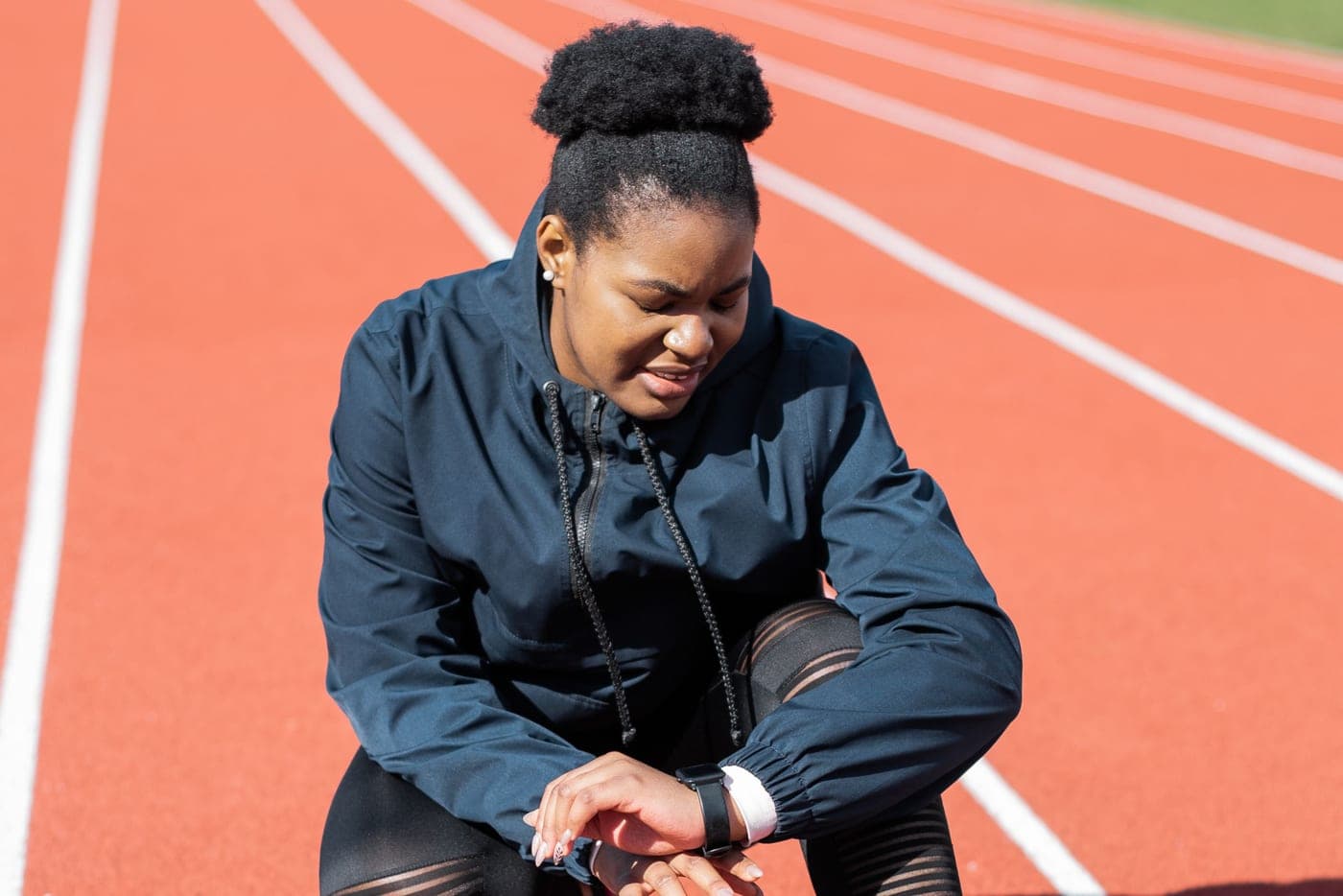
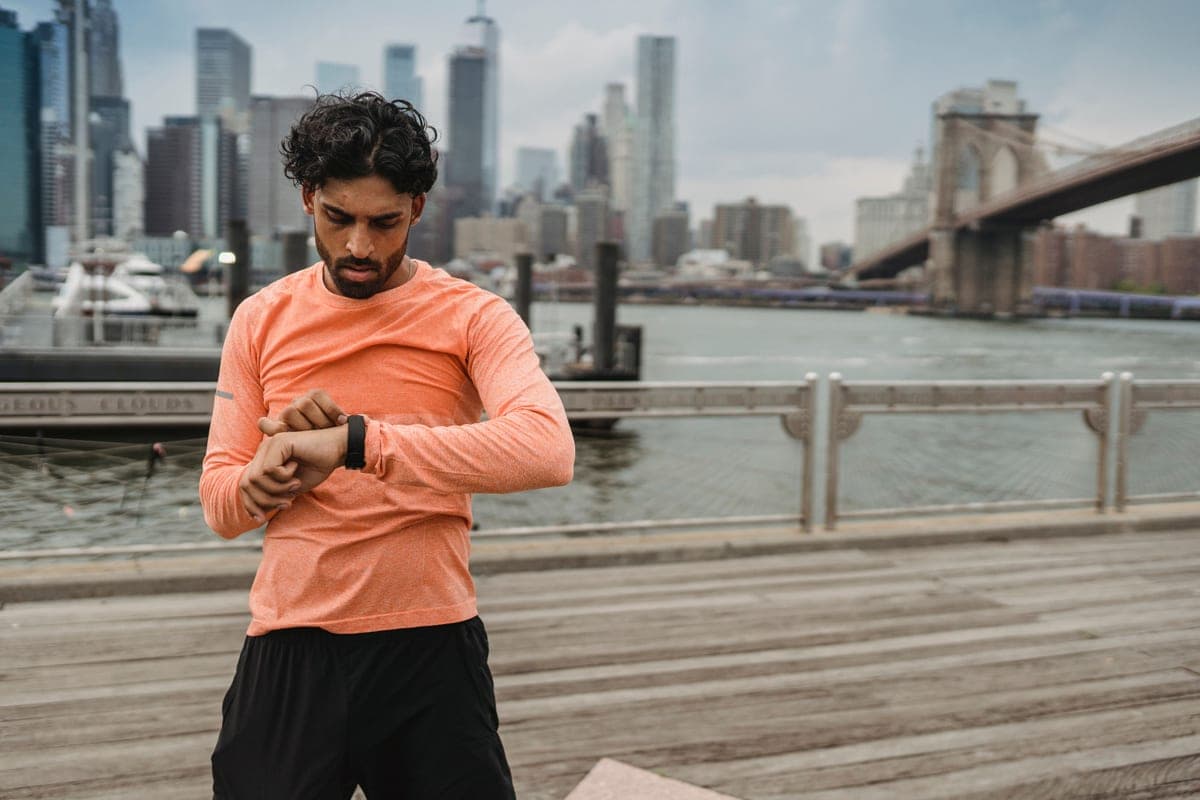
Best Running Watch for Beginners, From Couch-to-5K to Your First 10K
Our top pick: Garmin Forerunner 70 — Garmin's current entry-level running watch: an AMOLED touchscreen, Garmin running coach plans and up to 23 hours of GPS-only tracking cover everything a Couch-to-5K or first-10K runner needs.
#ad · Price set by Amazon · Affiliate disclosure for the link to Garmin Forerunner 70
What to buy first, by level
Running gear should grow with your long run, not ahead of it. The published plans we build the site around make that easy to see: each level adds one new question, and one new piece of kit to answer it.
Couch-to-5K: a way to carry your phone
The NHS Couch to 5K plan coaches you through an app on your phone, and its kit advice is short: clothes you're comfortable moving in, running shoes that support your feet, a supportive bra if you need one, and, if you don't have a pocket, "a running armband can help." That's genuinely the whole list. A watch is optional, and water on the run isn't on the NHS list at all. Start with how to carry a phone while running, or go straight to our best running belts.
10K: when a watch starts to help
Hal Higdon's Novice 10K writes its runs in miles, with a weekend run that builds from 3 to 5.5. Knowing when you've covered the distance is where a GPS watch starts to earn its place. Our best running watches for beginners are ranked for exactly this stage, and do I need a running watch? explains what your phone already covers.
Half marathon: the water question
Higdon's Novice 1 Half Marathon builds the long run to 10 miles, and that's when carrying water becomes a real question. A handheld bottle or a belt with a flask can cover a 10-mile run, especially with a refill on the way. Our guide to how to carry water while running shows how to work out how much you need from published hydration guidance, not guesswork, and hydration vest vs belt settles the carry.
Marathon: the full kit
Higdon's Novice 1 Marathon runs 18 weeks with a long run that peaks at 20 miles. This is where the bigger purchases make sense: a GPS watch built for marathon training, with the battery and load tools for 18 weeks; a hydration vest for long runs without refills; and running socks that hold up over 20 miles, with our guide to preventing blisters when running. Choosing between the two biggest watch brands? Read Garmin vs COROS.
How running gear divides
- Watches record distance, pace and time. Entry watches give a new runner a plan on the wrist; marathon watches add maps, multi-band GPS and training-load tools.
- Water comes in three sizes of commitment: handheld bottles, belts that carry up to about a liter, and vests that carry more, plus a layer.
- Carry means belts and armbands for the phone, keys and gels, the one piece of gear every level needs.
- Socks and blister care matter more the longer you run, and most of all on 18- and 20-mile long runs.
What decides the price
Makers sell watches in ranges, from entry-level to flagship, and each step up the range adds features for longer distances: more battery, onboard maps, music storage, multi-band satellite modes, training-load tools and tougher materials. Garmin's current flagship Forerunner, the 970, adds a sapphire lens and titanium bezel; its entry-level Forerunner 70 keeps the running coach and drops the rest. An entry watch covers everything a 5K or 10K plan asks.
Water and carry gear steps up the same way. Vests differ in capacity, in what's included (flasks, a reservoir or neither) and in their fit and adjustment systems; belts differ in pockets and whether they hold a flask. So the question to ask of any upgrade is simple: does my current long run need what it adds?
The most common mistake: marathon kit for a 5K
The easiest way to waste money on running gear is to buy for the race you might run someday. A 12-liter vest that its maker rates for ultra distance, or a flagship watch with maps and a flashlight, does nothing on a 30-minute Couch-to-5K run except add weight and complexity. Buy for the plan you're on, and upgrade when your long run outgrows what you have. Every pick on this site carries level badges (C25K, 10K, HALF, MARATHON) so you can see at a glance which runner it suits, and how we pick explains the scoring.
Buying for a runner?
Our gift guides are written for the person buying, not the runner: what lands, what fits without a sizing gamble, and what to check first. Start with the best gifts for runners, or go by level with gifts for new runners and gifts for marathon runners.
Shoes and gear for your level
Gear is the smaller half of the story; shoes come first. Each level hub pairs the right shoes with the gear on this page: Couch-to-5K for your first shoes and phone carry, 5K and 10K for your first races and first watch, half marathon for the long-run rotation and water plan, and marathon for the full training block and race day.
Ranked
Our picks
Our picks
Best Running Watch for Beginners, From Couch-to-5K to Your First 10K
Six GPS watches ranked for Couch-to-5K and first-10K runners, led by the Garmin Forerunner 70 and its built-in running coach.
Top pick: Garmin Forerunner 70 · 6 picks
Check price · Amazon#ad · Price set by Amazon · Affiliate disclosure for the link to Garmin Forerunner 70
Our picks
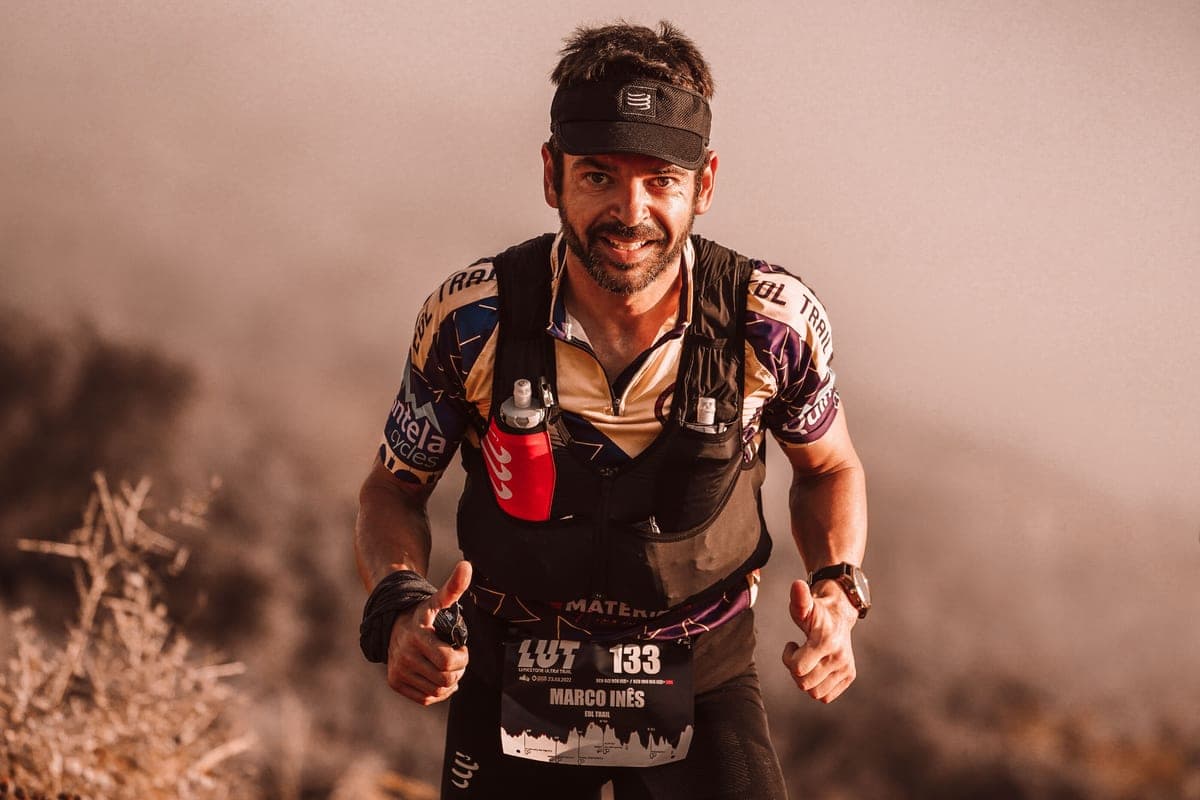
Best GPS Watch for Marathon Training: Seven Picks for an 18-Week Build
Seven GPS watches ranked for an 18-week marathon build, led by the Garmin Forerunner 970, with the battery math for 20-mile long runs.
Top pick: Garmin Forerunner 970 · 7 picks
Check price · Amazon#ad · Price set by Amazon · Affiliate disclosure for the link to Garmin Forerunner 970
Our picks
Best Hydration Vest for Running a Half or Full Marathon
Seven hydration vests ranked for half and marathon training, led by the Salomon ADV Skin 5 Set, with capacity, fit and race-rule advice.
Top pick: Salomon ADV Skin 5 Set · 7 picks
Check price · Amazon#ad · Price set by Amazon · Affiliate disclosure for the link to Salomon ADV Skin 5 Set

Our picks
Best Running Belt for Your Phone, Keys and Water, From 5K to Marathon
Eight running belts ranked for phone, gels and water, led by the Nathan Zipster Max, with the sizing and placement details that stop the bounce.
Top pick: Nathan Zipster Max · 8 picks
Check price · Amazon#ad · Price set by Amazon · Affiliate disclosure for the link to Nathan Zipster Max
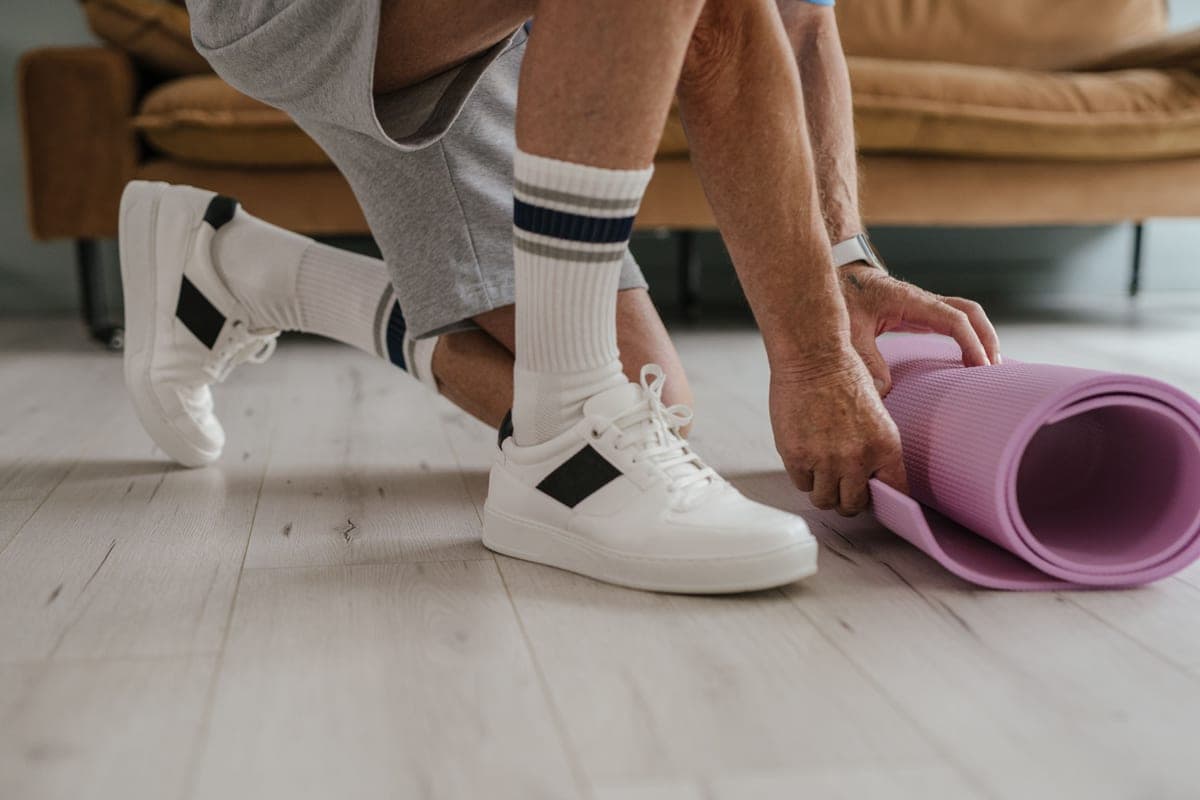
Our picks
Best Running Socks for Blisters and Long Runs, From Couch-to-5K to Marathon
Seven running socks ranked for blister-prone feet and growing long runs, led by the Feetures Elite Light Cushion, with merino, toe-sock and hot-weather options.
Top pick: Feetures Elite Light Cushion No Show Tab · 7 picks
Check price · Amazon#ad · Price set by Amazon · Affiliate disclosure for the link to Feetures Elite Light Cushion No Show Tab

Gift guide
Best Gifts for Runners at Every Level, Even If You Don't Run
Seven gifts for runners at any level, chosen for the non-runner doing the buying and led by Darn Tough's merino running socks with a lifetime guarantee.
Top pick: Darn Tough Run No Show Tab Ultra-Lightweight · 7 picks
Check price · Amazon#ad · Price set by Amazon · Affiliate disclosure for the link to Darn Tough Run No Show Tab Ultra-Lightweight

Gift guide
Gifts for New Runners Doing Couch to 5K or a First 10K
Seven gifts for someone doing Couch to 5K or training for a first 10K, led by the Garmin Forerunner 70, with a phone belt, socks and a gift card for shoes.
Top pick: Garmin Forerunner 70 · 7 picks
Check price · Amazon#ad · Price set by Amazon · Affiliate disclosure for the link to Garmin Forerunner 70

Gift guide
Best Gifts for Marathon Runners, From Long-Run Training to Race Day
Seven gifts for half and full marathoners, led by the Theragun Mini, with a hydration vest, a GPS watch, gels and race-day extras, plus what to check first.
Top pick: Therabody Theragun Mini (3rd Gen) · 7 picks
Check price · Amazon#ad · Price set by Amazon · Affiliate disclosure for the link to Therabody Theragun Mini (3rd Gen)
Head to head
Comparisons
Head to head
Garmin vs COROS for Running: Pace 4 vs Forerunner 170 Music and 165
The COROS Pace 4 against the Garmin Forerunner 170 Music and 165: battery, coaching, maps and fit, and which one suits your level.
Featured: COROS Pace 4
Check price · Amazon#ad · Price set by Amazon · Affiliate disclosure for the link to COROS Pace 4
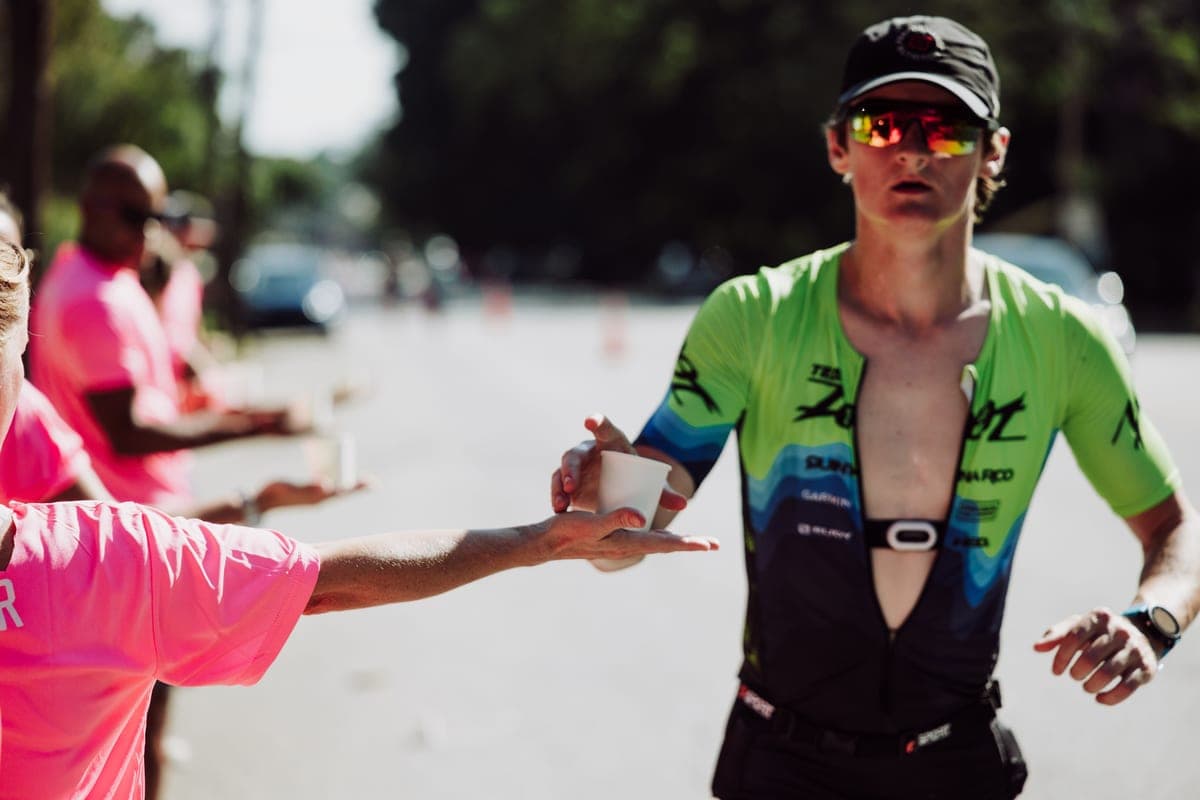
Head to head
Hydration Vest vs Belt: What to Carry for a Half or Full Marathon
Vest or belt for half and marathon training: capacity, fit, storage and race rules compared, with a handheld as the simplest alternative.
Featured: Salomon ADV Skin 5 Set
Check price · Amazon#ad · Price set by Amazon · Affiliate disclosure for the link to Salomon ADV Skin 5 Set
Know-how
Guides
Guide
Do I Need a Running Watch? What Your Phone Covers at Each Level
Watch vs phone, level by level: what your phone already does, what the accuracy studies found, whether an Apple Watch is good for running, and when to buy.
Featured: Garmin Forerunner 70
Check price · Amazon#ad · Price set by Amazon · Affiliate disclosure for the link to Garmin Forerunner 70
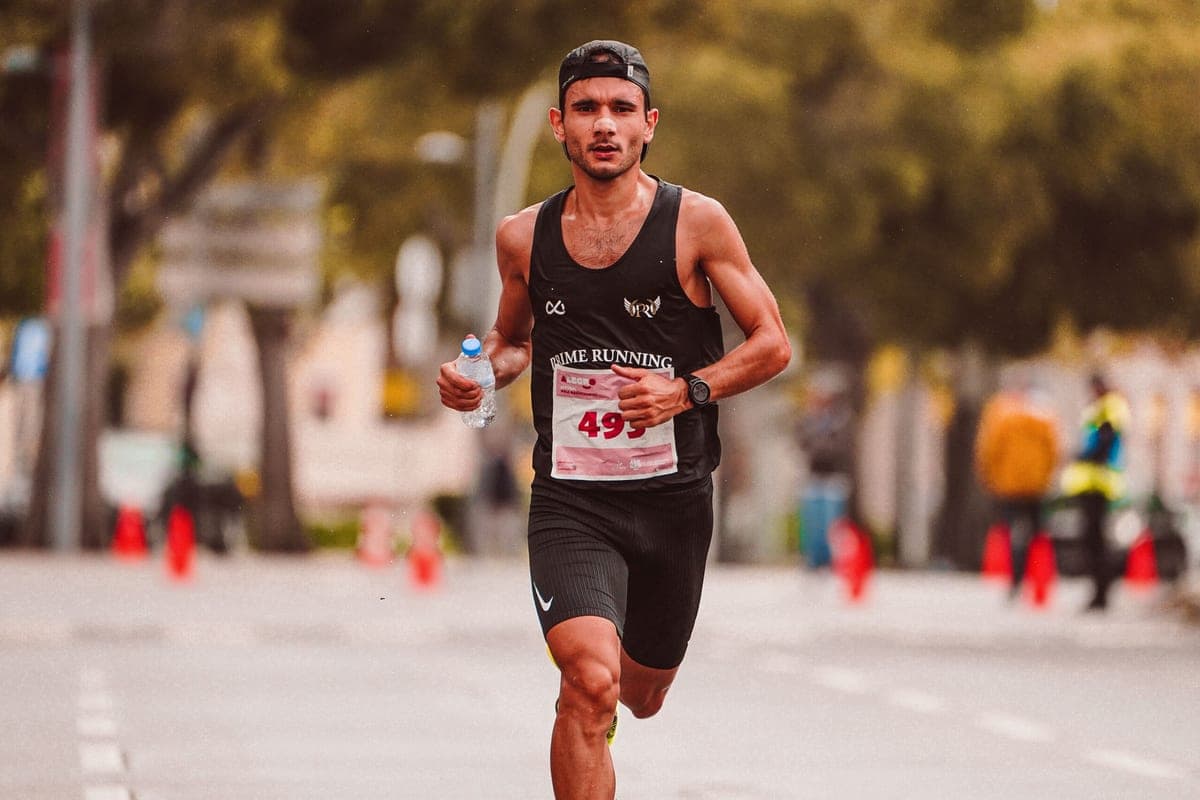
Guide
How to Carry Water While Running, From Your First 5K to Marathon Long Runs
When you need to carry water, how much (from ACSM and NATA guidance, not guesswork), and whether a handheld, belt or vest fits your long runs.
Featured: Nathan SpeedDraw 2 Insulated 18 oz
Check price · Amazon#ad · Price set by Amazon · Affiliate disclosure for the link to Nathan SpeedDraw 2 Insulated 18 oz

Guide
How to Carry a Phone While Running, With or Without an Armband
Belts, armbands, handhelds and vest pockets compared by phone size and level, with the placement tips that stop a phone bouncing.
Featured: FlipBelt Classic
Check price · Amazon#ad · Price set by Amazon · Affiliate disclosure for the link to FlipBelt Classic
Guide
How to Prevent Blisters When Running Long Distances and Marathons
What the NHS, dermatologists and blister research say about preventing running blisters as your long runs grow, plus the socks and balm designed to reduce friction.
Featured: Balega Blister Resist Quarter
Check price · Amazon#ad · Price set by Amazon · Affiliate disclosure for the link to Balega Blister Resist Quarter
Filed elsewhere, written for you
Also worth reading
Couch-to-5K
Couch to 5K Gear Checklist: What You Need to Start Running
What gear do you need to start running? Shoes, comfortable clothes, a supportive bra if you need one and a phone carrier. The NHS list, explained, plus what to skip.
Featured: Brooks Ghost 18
Check price · Amazon#ad · Price set by Amazon · Affiliate disclosure for the link to Brooks Ghost 18
Half Marathon
Half Marathon Gear Checklist: What to Wear and Carry for Training and Race Day
What a half marathoner really needs: tested shoes, non-cotton kit, water for the 10-mile long run, a watch, blister-resistant socks, anti-chafe balm and gels you've practiced with.
Featured: Nathan Peak Hydration Waist Pack
Check price · Amazon#ad · Price set by Amazon · Affiliate disclosure for the link to Nathan Peak Hydration Waist Pack
Marathon
Marathon Gear Checklist: What You Need for Training and Race Day
The full marathon kit list, from 20-mile training runs to race morning: shoes, socks, anti-chafe balm, a GPS watch, water carry, gels and a race number belt.
Featured: Salomon ADV Skin 5 Set
Check price · Amazon#ad · Price set by Amazon · Affiliate disclosure for the link to Salomon ADV Skin 5 Set