Couch-to-5K · Guide
Couch to 5K Gear Checklist: What You Need to Start Running
The NHS kit list is four lines long. Here's each item explained, the few extras worth having, and what you can leave on the shelf until week 9.
We earn a commission if you buy through our links, at no extra cost to you. It never decides the ranking — the method is published · Affiliate disclosure
To start running with Couch to 5K you need four things, according to the NHS: clothes you can move in comfortably, running shoes that support your feet, a supportive bra if you need one, and a running armband if you don't have a pocket for your phone, which you'll need to hear the Couch to 5K coach. Everything else, from running socks to a GPS watch, is optional. The one item worth putting money into is the shoes.
The Couch to 5K gear checklist
Essentials (the NHS list):
- Running shoes that support your feet
- Comfortable clothes you can move in
- A supportive sports bra, if you need one
- Your phone, plus an armband or belt if you have no pocket
Useful, not required:
- Something to time your runs and walks, if you're not using the app (a watch, stopwatch or phone timer)
- Running socks with seamless toes
- Water for warm days
- A light or reflective gear if you run before sunrise or after dark
- An anti-chafe balm for anywhere that rubs
Skip for now: carbon-plated or racing shoes, a second pair of shoes, a hydration vest, and an expensive multisport watch.
Week by week: when each item matters
You don't need everything on day one. Reading through the NHS week-by-week plan, the kit questions come up in a fairly predictable order:
- Week 1: shoes, comfortable clothes and your phone. Each session is 28 minutes 30 seconds of mostly walking with 1-minute runs, bookended by 5-minute walks. The NHS reminds you to take small sips of water if you need to, especially if it's warm.
- Weeks 2 to 4: the runs stretch to 90 seconds, then 3 and 5 minutes. If anything rubs or your phone bounces, this is when you'll notice, and when a better carrier or socks start to earn their place.
- Week 5: your first 20-minute run. The NHS suggests that if you like running with music or a podcast, this is a good time to hit play, so headphones you can hear traffic through may join the list.
- Weeks 6 and 7: week 6 ends with your first 25-minute run, and every week 7 run is 25 minutes. In week 7 the NHS suggests running in the morning if it's hot and notes that running with a friend can help keep you motivated.
- Weeks 8 and 9: 28- and then 30-minute runs, about 40 minutes on your feet with the walks. The NHS reminds you to stay hydrated before, during and after the week 9 runs.
That order is also a sensible spending order: shoes first, a way to carry your phone second, and everything else only once a real need shows up on a run.
1. Running shoes: the one thing worth spending on
The NHS asks for "running shoes that support your feet," and its running-injuries page says it's best to go to a running shop to get fitted. It also says you don't have to spend a lot of money: expensive shoes may just be more durable and lightweight, which suits long-distance runners, and all running shoe brands make cheaper versions suitable for beginners.
What the plan asks of a shoe is modest. The NHS schedule is three sessions a week for 9 weeks, starting with 1-minute runs between 90-second walks and building to a 30-minute run, with a 5-minute walk before and after every session. One comfortable, plate-free road trainer covers all of it. Our ranked picks are in best running shoes for beginners, and if you're not sure what to look for, start with how to choose running shoes.
2. Comfortable clothes
The NHS wording is "wear whatever feels comfortable to move in." You don't need a running wardrobe to start. If you're buying anything, the practical test is simple: clothes that don't restrict your stride, don't rub at the seams after half an hour, and suit the weather you'll run in. We don't rank running apparel, because fit is personal and we'd rather send you to try things on than guess from a spec sheet.
3. A supportive bra, if you need one
The NHS kit list includes "a supportive bra if you need one." Like shoes, it's an item where fit is personal, so it's worth trying on rather than ordering blind. We don't recommend specific sports bras. Our best running shoes for beginner women covers women's shoe widths and sizing.
4. Your phone, and a way to carry it
If you follow the plan through the NHS app, your phone is the coach, and the NHS says the app times the runs and walks for you. The NHS suggests a running armband if you don't have a pocket. There are two main ways to carry a phone:
- An armband keeps the phone on your upper arm. The Tune Belt AB92 is built for large phones in cases (up to 6.875 in long and 8.25 in around, per Tune Belt), has a clear window for the touchscreen and fits biceps from 9 to 16 in. The Nathan Super 5K is a simpler armband with a 6 x 3 in pocket that suits standard-size phones.
- A waist belt can also carry keys and cards. The FlipBelt Classic is a buckle-free stretch tube in seven sizes that FlipBelt says holds phones up to the largest current models. The SPIbelt Original has one expandable 9 x 4 x 2 in pocket on an adjustable strap for waists from 25 to 38 in.
Before you order, measure your phone in its case. Makers publish different kinds of limits: Tune Belt gives a maximum length and a maximum distance around the phone, Nathan gives pocket dimensions, and FlipBelt and SPIbelt name compatible phone models. Check the numbers for your actual phone and case rather than assuming a big pocket means a big phone fits. An armband is the NHS's suggestion and the simplest if all you carry is a phone. A belt makes more sense if you also need keys. More options and trade-offs are in how to carry your phone while running and our best running belt picks.
5. Something to time your runs
The NHS plan says to bring something to time your runs and walks: a watch, a stopwatch or a phone timer. If you're using the app, you don't need to keep track of time yourself, because the app does it for you. So a GPS watch is not required for Couch to 5K.
Where a watch helps is if you'd rather leave your phone at home or want to track distance and pace as you progress. The Garmin Forerunner 70 is Garmin's entry-level running watch; Garmin lists its running coach and daily suggested workouts, up to 23 hours of GPS-only tracking and up to 13 days as a smartwatch. Whether it's worth it for you is the question our do I need a running watch guide answers.
6. Running socks
Socks aren't on the NHS list, and you can start in what you own. If you're buying, running-specific socks list features aimed at friction: Feetures' Elite Light Cushion No Show Tab, for example, has a seamless toe, a double-thick heel tab and left/right-specific shaping, and Feetures offers a lifetime guarantee on it (Feetures). Wear the socks you'll run in when you try on shoes, too. More in our best running socks roundup and how to prevent blisters.
The kit we'd buy for week 1
If you're starting from nothing, this is the short list: a shoe, a phone carrier and socks, with a watch only if you want to run without your phone. Each card links to its sourced specs; we haven't used any of them.
Picks for this job
A starter kit for Couch to 5K
The shoe is the priority. The armband covers the NHS's phone advice; socks and a watch are optional extras.
 Stock photo
C25K to marathon: the steady default
Brooks Ghost 18
Our top Couch to 5K shoe: pitched for runners and walkers, plate-free, sold in Narrow to X-Wide, and badged for every level after 5K.
Check price · Amazon#ad · Price set by Amazon · Affiliate disclosure for the link to Brooks Ghost 18
 Stock photo
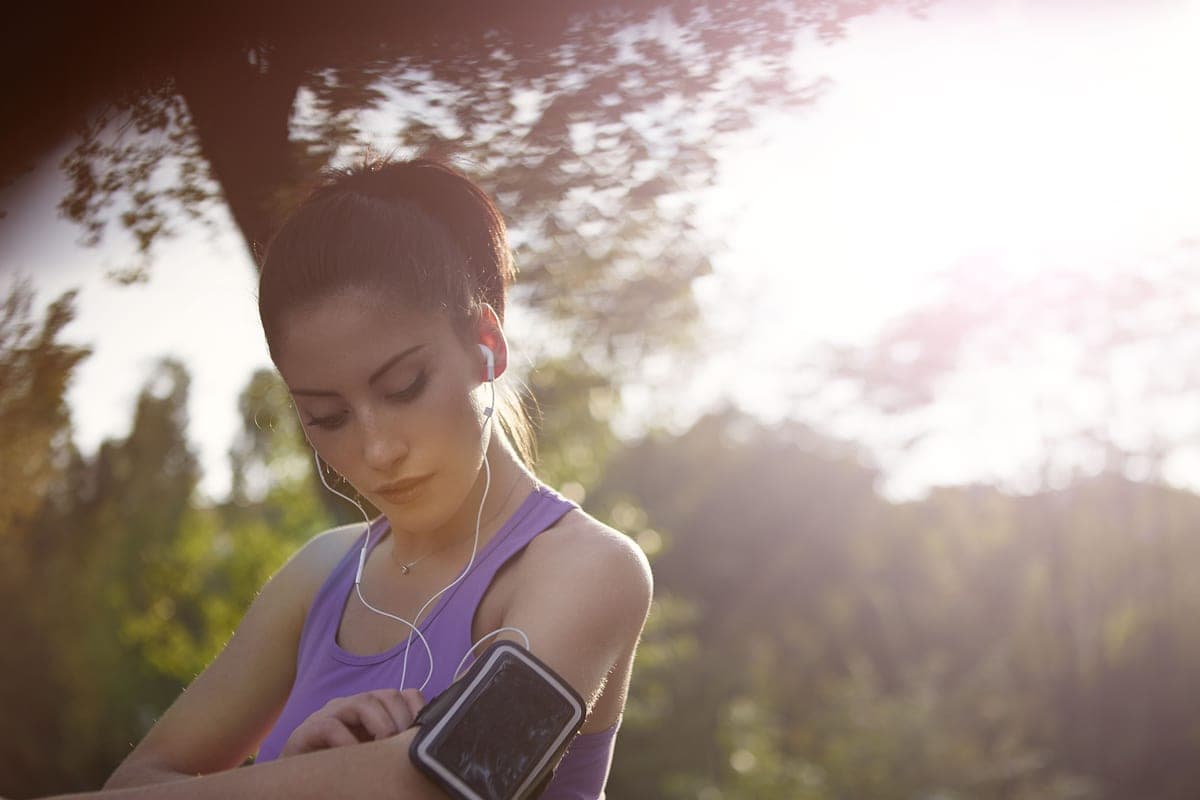
C25K and 10K: big phone, no pockets
Tune Belt AB92 Sport Armband
The NHS suggests an armband if you have no pocket; this one is sized for large phones in cases, with a clear window for the touchscreen.
Check price · Amazon#ad · Price set by Amazon · Affiliate disclosure for the link to Tune Belt AB92 Sport Armband
 Stock photo
All levels: the all-round no-show
Feetures Elite Light Cushion No Show Tab
Seamless toe, double-thick heel tab and a lifetime guarantee, in sizes from women's 4 to men's 15.5.
Check price · Amazon#ad · Price set by Amazon · Affiliate disclosure for the link to Feetures Elite Light Cushion No Show Tab
 Stock photo
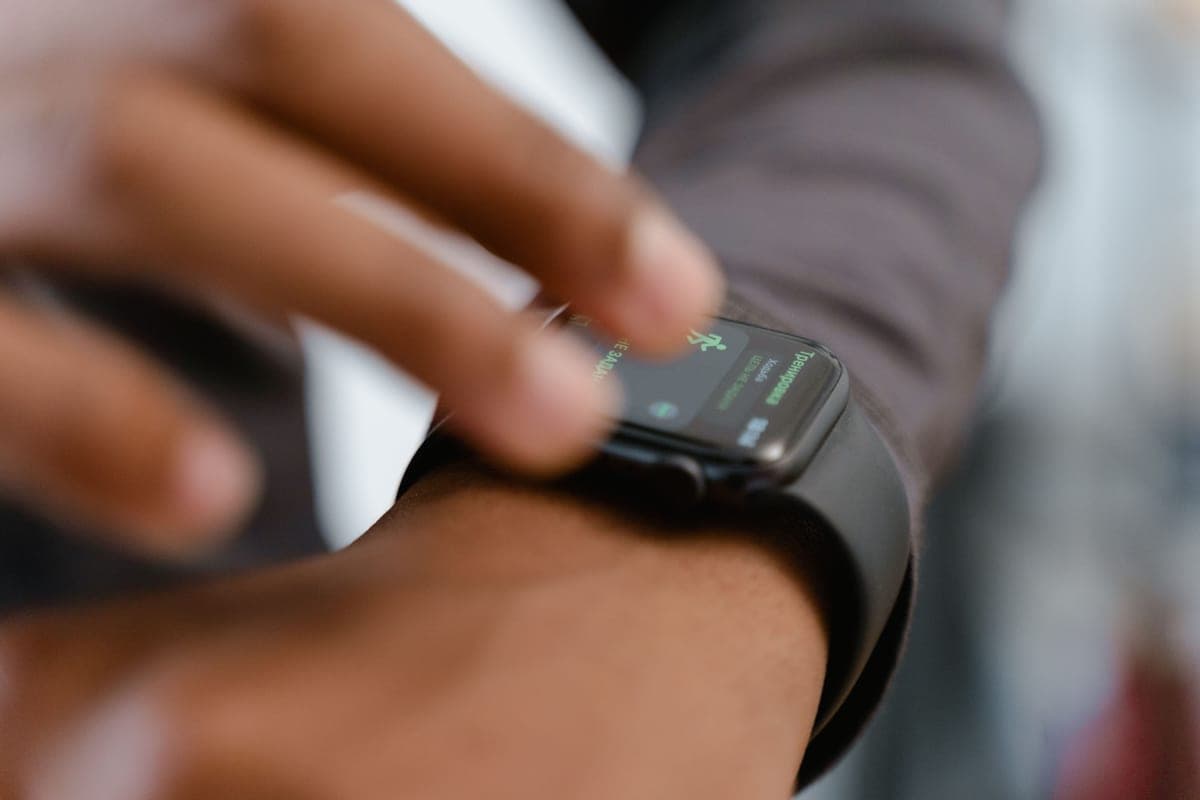
C25K to 10K: the simplest Garmin start
Garmin Forerunner 70
Optional: Garmin's entry-level watch with a built-in running coach, if you'd rather not run with your phone.
Check price · Amazon#ad · Price set by Amazon · Affiliate disclosure for the link to Garmin Forerunner 70
Water, heat and the dark
Water. Nothing in the plan requires you to carry water. The NHS plan suggests taking small sips of water if you need to, especially when it's warm, and reminds you to stay hydrated before, during and after your week 9 runs. If you want water on hot days, a small bottle in a belt or in your hand does the job; see how to carry water while running.
Heat. On hot days the NHS plan suggests running in the morning, when it's cooler.
The dark. If your runs start before sunrise or end after dark, being seen matters. Several of the carriers above have reflective details (Tune Belt lists a reflective logo; Nathan lists reflective hits). For a light, the BioLite Dash 450 is a 450-lumen headlamp BioLite designed with runners in mind, with a rear red light.
What you can skip
- Carbon-plated or racing shoes. They're built for racing fast; Couch to 5K has no fast sessions. See are carbon-plated shoes worth it later.
- A second pair of shoes. One pair covers all 27 sessions. Our rotation guide explains when a second pair helps.
- A hydration vest. Vests are designed to carry water and gear on long runs; your longest Couch to 5K run is 30 minutes.
- An expensive watch. The app times everything. If you want a watch, start with an entry-level model.
When you've finished week 9 and want to keep going, the gear list changes little for a first 10K. Our first 10K race day checklist covers what's new.
How we chose these
Shoes we claim to have lab-tested: 0
Plenty of sites say they ran hundreds of miles in every shoe. We didn't, and we say so. What we do instead: start from what a published training plan actually asks of a runner at your level, compare each model's published specs (stack height, drop, weight, plate, stability features, widths) against that job, and score every pick on a public rubric. Each spec links to where it came from.
Scores are editorial judgments from that documented research, not lab results. Nobody pays for placement and we don't accept free products. The rubric and weights are on the How We Pick page.
Questions
Frequently asked
What gear do I need to start running?
What should I wear for Couch to 5K?
Do I need a running watch for Couch to 5K?
How do I carry my phone while running?
Do I need to carry water for Couch to 5K?
Keep going
Related reading
- Best running shoes for beginnersThe one item worth spending on, ranked.
- How to carry your phone while runningArmbands, belts and pockets compared.
- Best running beltPhone and key belts for every level.
- Do I need a running watch?When a watch helps and when your phone is enough.
- Best running socksBlister features, fibers and fit.
Receipts
Sources
- NHS: Get running with Couch to 5K (kit advice)
- NHS Better Health: Couch to 5K running plan (timing, water, heat advice)
- NHS: Knee pain and other running injuries (running shoe advice)
- Tune Belt: Sport Armband AB92
- Nathan Sports: Super 5K Smartphone Armband
- FlipBelt: Classic running belt
- FlipBelt: Phone compatibility
- SPIbelt: The SPIbelt (Original)
- Garmin: Forerunner 70 specs
- Feetures: Elite Light Cushion No Show Tab
- BioLite: Dash 450 headlamp
- Body Glide: Original anti-chafe balm
We don't lab-test shoes or gear and we don't pretend to. Specs come from the maker's own pages or the named reviewer's published measurements (linked above); level definitions come from published training plans. Prices are set by Amazon and change often, so we don't print them. Where a figure isn't published, we say so. Read the full method.