Level 1 · C25K
Couch-to-5K: your first running shoes and gear
Three short run/walk sessions a week don't need a carbon plate or a closet full of gear. They need one comfortable, well-fitting daily trainer and a way to carry your phone. Here's how to choose both, and the picks we'd start with.

We earn a commission if you buy through our links, at no extra cost to you. It never decides the ranking — the method is published · Affiliate disclosure

Start here
Best Running Shoes for Beginners Starting Couch to 5K
Our top pick: Brooks Ghost 18 — Brooks' steady neutral workhorse: a 10 mm drop, DNA LOFT v3 foam and four width options make it the safest first pair for C25K that keeps working through a first marathon block.
#ad · Price set by Amazon · Affiliate disclosure for the link to Brooks Ghost 18
What Couch to 5K asks of you, and your shoes
This is the level for anyone starting from zero. The NHS Couch to 5K plan is three runs a week with a rest day between each, over 9 weeks or longer if you need it. Week 1 alternates 1-minute runs with 90-second walks; by week 9 you're running for 30 minutes without stopping. Every session starts and ends with a 5-minute walk, and the NHS says repeating a run or a week is fine. Nothing in the plan is fast. That shapes everything on this page: you need comfort for up to about 40 minutes on your feet, at an easy pace, walking as well as running. You don't need speed, and you don't need much gear.
What to buy first: one shoe and a way to carry your phone
Start with one comfortable, plate-free road daily trainer that fits your foot. The NHS kit list asks for "running shoes that support your feet," comfortable clothes, a supportive bra if you need one, and a running armband if you have no pocket for your phone, which runs the Couch to 5K coach (NHS). That's the whole essential list.
For the shoe, our best running shoes for beginners ranks seven for this plan, led by the Brooks Ghost 18, with separate lists for women and men that spell out every width. Fit matters more than any foam name, so read what size running shoes to get before you order. For everything else, the Couch to 5K gear checklist covers phone carriers, socks, and what you can leave on the shelf.
How running shoes divide, in beginner terms
Running shoes are sorted by the job they do. Three kinds matter at this level:
- Neutral daily trainers handle most of a runner's miles at an easy pace. This is the default first shoe, and every top pick on our beginner lists is one.
- Stability shoes add guidance features, such as Brooks' GuideRails, for runners who want support. The research on who needs them is less clear-cut than the marketing, so we suggest starting neutral and choosing support if it feels better or a clinician recommends it. The detail is in neutral vs stability running shoes.
- Max-cushion shoes stack on extra foam, mainly for long and recovery runs at later levels. A few, like the HOKA Bondi 9, are also pitched for walking, which can suit the walk-heavy early weeks; it's a preference, not a requirement.
Tempo and race shoes, including carbon-plated ones, are built for faster running and belong further up the ladder. Our how to choose running shoes guide walks through the decision in seven steps.
What decides the price
Price mostly buys things a beginner doesn't need yet. The NHS says you don't have to spend a lot of money: expensive shoes may just be more durable and lightweight, which makes them more suitable for people running long distances, and all running shoe brands make cheaper versions suitable for beginners. The trade-off shows up in the reviews. RTINGS calls the Nike Winflo 12 a budget-friendly max-stack shoe and the adidas Questar 4 a budget-friendly shoe for everyday miles, and calls both heavy. For run/walk sessions at an easy pace, we'd take a heavier shoe that fits over a lighter one that doesn't. Spend your effort on getting the size and width right.
The mistake to avoid
There are two versions of the same mistake. One is buying a racing shoe, often a carbon-plated one, because it's the newest thing on the wall: it's designed for fast race efforts, and Couch to 5K has none. The other is running in whatever's already in the closet, whether that's old sneakers, tennis shoes or gym trainers. The AAOS, the US orthopedic surgeons' academy, advises a shoe designed for any single sport you do more than twice a week, and this plan is three runs a week. We've compared the usual stand-ins in running shoes vs walking shoes, running shoes vs tennis shoes and running shoes vs training shoes.
Next level up: your first 10K
Every shoe on our beginner lists is badged for 10K too, so the pair you finish week 9 in can carry you into the next plan. Hal Higdon's Novice 10K is a common next step: 8 weeks of three runs a week plus two cross-training days, opening with a 2.5-mile run. When you're ready, head to the 5K and 10K hub, start with how long to train for a 10K, and see our best running shoes for 5K and 10K. Already running and unsure where you fit? The running shoes by pace and mileage finder matches shoes to your weekly miles.
Ranked
Our picks
Our picks
Best Running Shoes for Beginners Starting Couch to 5K
Seven first running shoes ranked for the NHS Couch to 5K plan: the Brooks Ghost 18 leads, with stability, wide-fit and budget picks for every foot.
Top pick: Brooks Ghost 18 · 7 picks
Check price · Amazon#ad · Price set by Amazon · Affiliate disclosure for the link to Brooks Ghost 18
Our picks
Best Running Shoes for Beginners: Women's Couch to 5K Picks
Women's first running shoes for Couch to 5K, ranked with published women's widths: the Saucony Ride 19 leads for its steady platform and women's Wide.
Top pick: Saucony Ride 19 · 7 picks
Check price · Amazon#ad · Price set by Amazon · Affiliate disclosure for the link to Saucony Ride 19
Our picks
Best Running Shoes for Beginners: Men's Couch to 5K Picks
Men's first running shoes for Couch to 5K, ranked with published men's widths: the ASICS Gel-Cumulus 28 leads for its lab-rated steadiness and four widths.
Top pick: ASICS Gel-Cumulus 28 · 7 picks
Check price · Amazon#ad · Price set by Amazon · Affiliate disclosure for the link to ASICS Gel-Cumulus 28
Head to head
Comparisons
Head to head
Running Shoes vs Walking Shoes: Which Do You Need for Couch to 5K?
Running shoes can be used for walking, but walking shoes shouldn't be used for running. The design differences, sourced, and three running shoes that suit walk breaks.
Featured: Brooks Ghost 18
Check price · Amazon#ad · Price set by Amazon · Affiliate disclosure for the link to Brooks Ghost 18
Head to head
Running Shoes vs Tennis Shoes (and Everyday Sneakers) for New Runners
Tennis shoes are built for side-to-side movement, running shoes for cushioned forward strides. Why a new runner needs running shoes, and three to start with.
Featured: Saucony Ride 19
Check price · Amazon#ad · Price set by Amazon · Affiliate disclosure for the link to Saucony Ride 19
Head to head
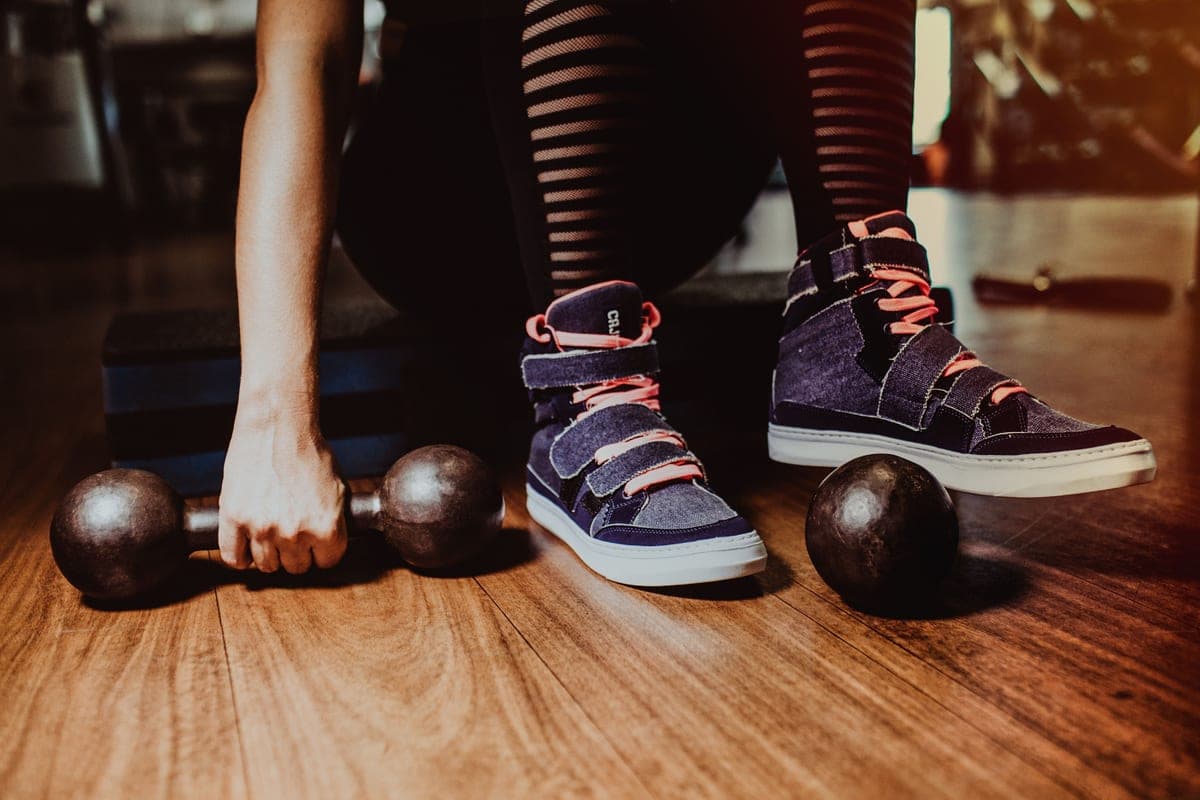
Running Shoes vs Training Shoes: What a New Runner Should Wear
Gym trainers and cross trainers vs running shoes: why a new runner should run in running shoes, when you need both pairs, and three running shoes to start with.
Featured: PUMA Velocity Nitro 5
Check price · Amazon#ad · Price set by Amazon · Affiliate disclosure for the link to PUMA Velocity Nitro 5
Know-how
Guides
Guide
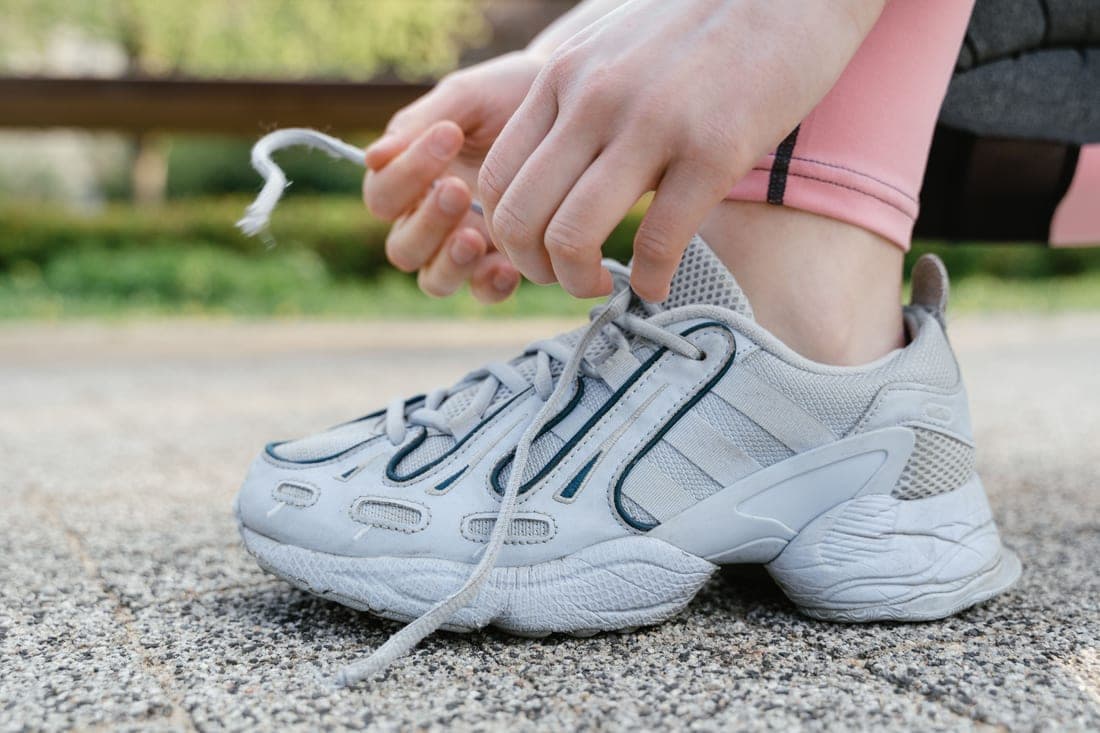
How to Choose Running Shoes as a Beginner: 7 Steps
Seven steps to your first running shoe: job, support, length, width, cushion and drop, the comfort test, and what to skip. Three picks that pass the checklist.
Featured: Saucony Ride 19
Check price · Amazon#ad · Price set by Amazon · Affiliate disclosure for the link to Saucony Ride 19
Guide
What Size Running Shoes Should I Get? A Beginner's Fit Guide
Should you size up for running shoes? Usually by a half size. How to measure at home, the thumb test, width codes from 2A to 4E, and three shoes with wide width ranges.
Featured: Brooks Ghost 18
Check price · Amazon#ad · Price set by Amazon · Affiliate disclosure for the link to Brooks Ghost 18

Guide
Couch to 5K Gear Checklist: What You Need to Start Running
What gear do you need to start running? Shoes, comfortable clothes, a supportive bra if you need one and a phone carrier. The NHS list, explained, plus what to skip.
Featured: Brooks Ghost 18
Check price · Amazon#ad · Price set by Amazon · Affiliate disclosure for the link to Brooks Ghost 18
Filed elsewhere, written for you
Also worth reading
Shoes
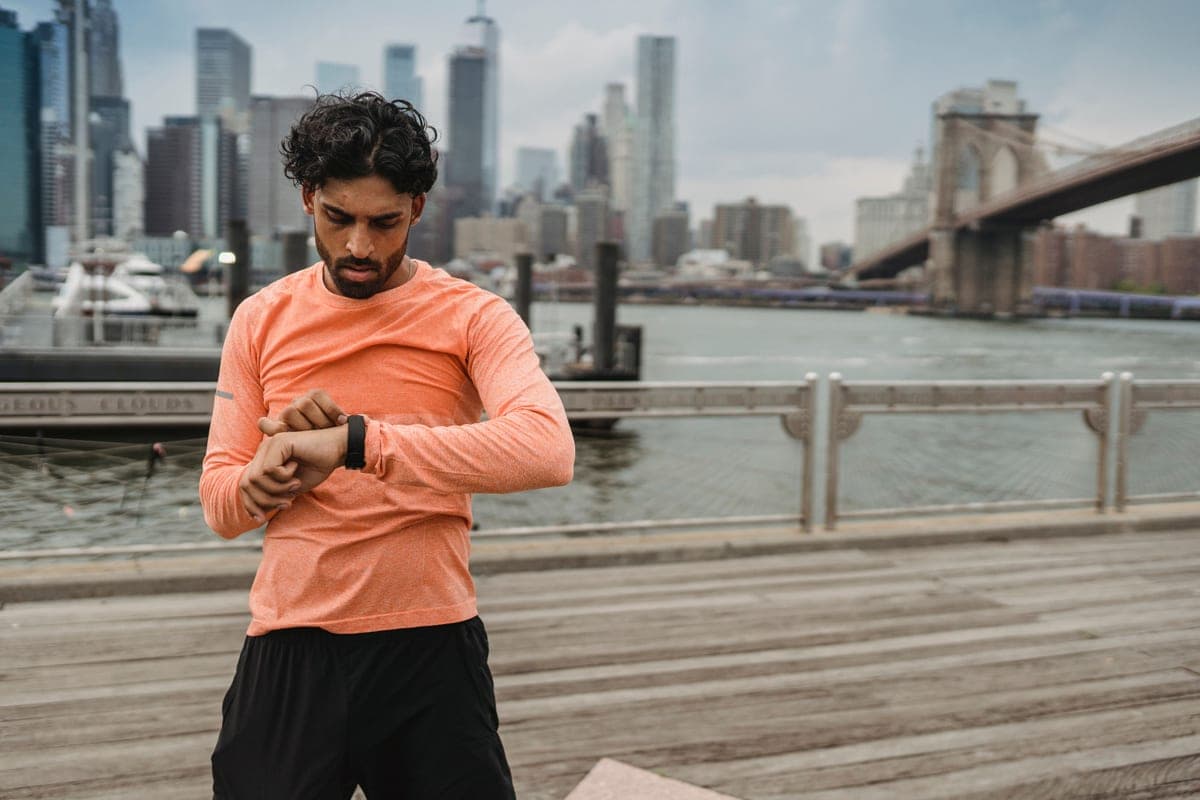
Running Shoes by Pace and Mileage: Find Your Tier, Then Your Shoes
The Level Finder: match your training plan to one of four tiers, see which of the five shoe jobs your week needs, and get our picks for each tier.
Featured: Brooks Ghost 18
Check price · Amazon#ad · Price set by Amazon · Affiliate disclosure for the link to Brooks Ghost 18
Running Gear
How to Carry a Phone While Running, With or Without an Armband
Belts, armbands, handhelds and vest pockets compared by phone size and level, with the placement tips that stop a phone bouncing.
Featured: FlipBelt Classic
Check price · Amazon#ad · Price set by Amazon · Affiliate disclosure for the link to FlipBelt Classic

Running Gear
Gifts for New Runners Doing Couch to 5K or a First 10K
Seven gifts for someone doing Couch to 5K or training for a first 10K, led by the Garmin Forerunner 70, with a phone belt, socks and a gift card for shoes.
Top pick: Garmin Forerunner 70 · 7 picks
Check price · Amazon#ad · Price set by Amazon · Affiliate disclosure for the link to Garmin Forerunner 70