Level 4 · MARATHON
Marathon shoes and gear: your training rotation to race day
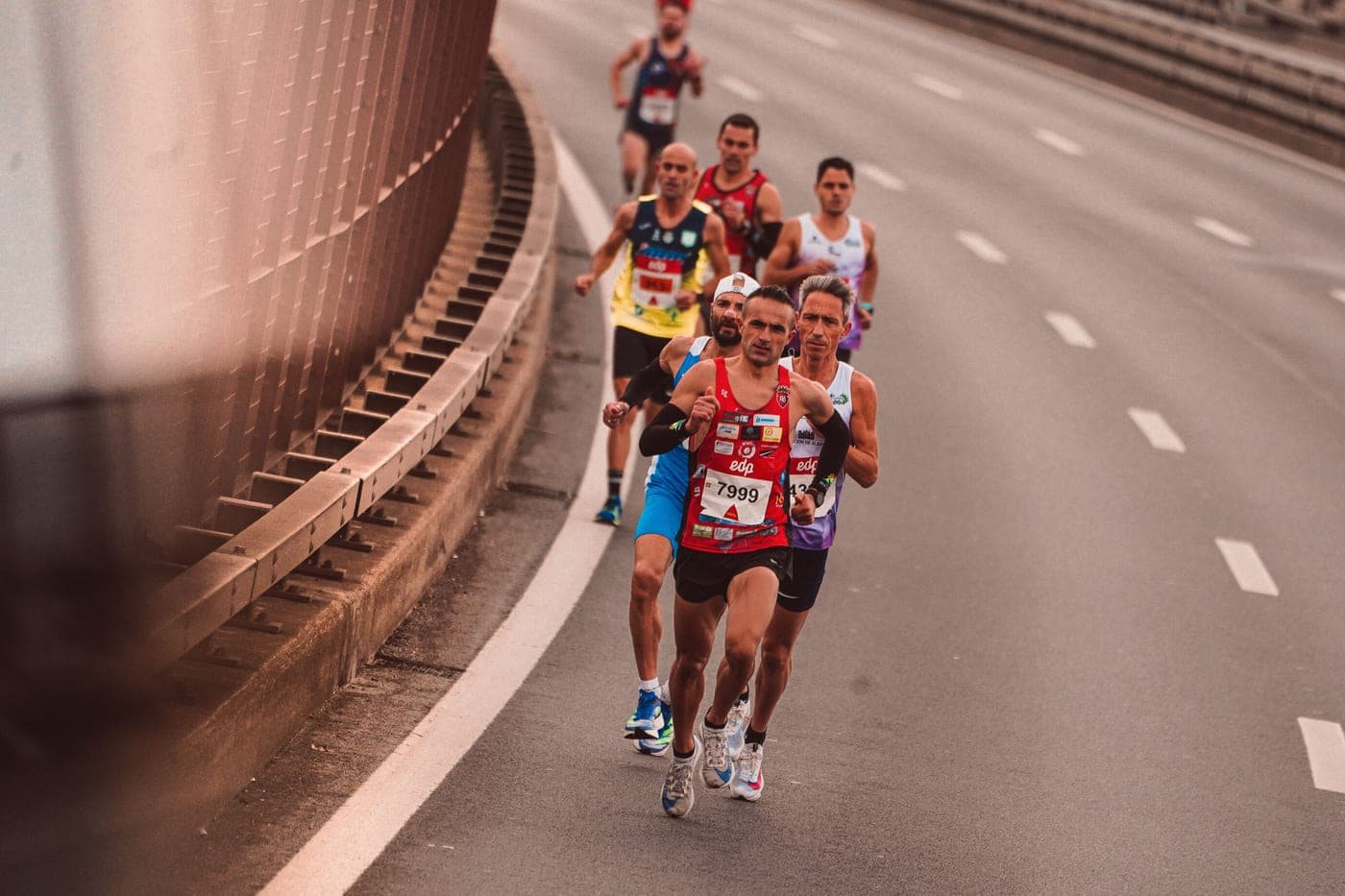
Eighteen weeks, long runs that build to 20 miles, and a race that punishes the wrong shoe. This is where a rotation, a real GPS watch and a hydration plan earn their keep. Every pick is sorted by the job it does.
We earn a commission if you buy through our links, at no extra cost to you. It never decides the ranking — the method is published · Affiliate disclosure

Start here
Best Marathon Shoes: 7 Race-Day Picks, From First-Timer to Fast Finisher
Our top pick: Saucony Endorphin Pro 5 — The steadier carbon racer: a forked carbon plate in PWRRUN PB and PWRRUN HG foam with an 8 mm drop, which RunRepeat calls the best super shoe for beginners and heel strikers, so it may suit a first half or marathon in a plated shoe.
#ad · Price set by Amazon · Affiliate disclosure for the link to Saucony Endorphin Pro 5
What marathon training asks of your gear
Hal Higdon's Novice 1 Marathon plan, written for first-timers, runs 18 weeks with four run days a week. The weekend long run builds from 6 miles in week 1 to 20 miles in week 15, every third week steps back, and the last three weeks taper to race day. By our arithmetic from the published schedule, that is about 15 to 40 run-miles a week and roughly 435 miles before the start line. Nearly all of it is easy running: Higdon wants midweek runs at a comparatively easy pace and long runs at a pace that lets you talk.
That shapes everything on this page. At the marathon level, the shoe you train in matters more than the shoe you race in, and gear you could skip for a 10K (a watch that lasts all week, a way to carry water, fuel you've practiced with) starts to earn its place.
What to buy first
1. The training shoe. Buy it before week 1. It carries the midweek runs and, at first, the long runs too. Our best marathon training shoes ranks the options for 18 weeks of easy miles and a 20-miler; if this is your first 26.2, start with the best first marathon shoes, which favors pairs you can train and race in.
2. A long-run shoe, if you want a rotation. Once the long run reaches double digits, a second, more cushioned pair for Saturdays spreads the miles. Our marathon mileage and shoe rotation guide lays out Higdon's plan week by week and shows which shoe does which run.
3. The race shoe, last. A race-day shoe is optional at this level. If you add one, buy it early enough to test: see our best marathon race shoes.
How marathon shoes divide
Every shoe in this hub does one of three jobs. Daily trainers handle the 3- to 10-mile midweek runs: comfortable, durable, not built for speed. Long-run and max-cushion shoes carry the 16-, 18- and 20-milers with more foam underfoot. Race-day shoes come in two kinds: carbon super shoes with tall, soft foams and a stiff plate or rods, and plateless super trainers that use similar foams without the carbon and can double as long-run shoes. If you're weighing the second kind, see our best marathon shoes without a carbon plate; if you expect to be out on the course for five hours or more, our picks for slower marathoners put cushion first. Two head-to-heads compare the big-brand racers: Nike Alphafly vs Vaporfly and adidas Adios Pro vs ASICS Metaspeed.
What decides the price
Price in this category follows specialization, and reviewers treat carbon racers as the expensive end: RunRepeat, for example, recommends the Saucony Endorphin Pro 5 to runners who want a carbon plate without paying ultra-high prices, which tells you where some of its rivals sit. Below that, what separates one shoe from another is mostly the foam (newer, lighter compounds versus traditional ones), the plate (carbon, nylon or none) and how much of each the shoe carries. Then weigh cost against life: RunRepeat scores the toebox durability of several marathon racers at 1 out of 5, and a racer is meant for race day and a few key runs, while your trainer carries hundreds of miles. The practical takeaway: spend first on the shoe that carries 435 miles, not the one that carries 26.2.
The most common mistake
Racing in shoes you haven't tested, and buying the super shoe before the training shoe. Higdon is blunt about the first: runners need to test any new pair of shoes before racing in them, with at least two or three runs including one semi-long run, because expo-new shoes might work in a 5K or 10K "but not in a marathon." The same rule covers socks, clothes, balm and gels. Our marathon gear checklist lists what to own and test during training, and the marathon race week checklist covers the last seven days, the night before and race morning.
Not quite ready for 26.2?
If you haven't run a half marathon yet, step down a rung to our half marathon hub: Higdon's Novice 1 Half plan runs 12 weeks with a long run that builds to 10 miles, and Higdon suggests a half in week 8 of the marathon plan anyway. For shoe roles, fit and the Level Finder that matches shoes to your weekly mileage, see the shoe finder. For marathon watches, hydration vests, belts and socks, head to running gear.
Ranked
Our picks
Our picks
Best Marathon Shoes: 7 Race-Day Picks, From First-Timer to Fast Finisher
Seven carbon super shoes for the marathon, ranked by who they suit, led by the steadier Saucony Endorphin Pro 5, plus what the research says about carbon at slower paces.
Top pick: Saucony Endorphin Pro 5 · 7 picks
Check price · Amazon#ad · Price set by Amazon · Affiliate disclosure for the link to Saucony Endorphin Pro 5

Our picks
Best Marathon Training Shoes for 18 Weeks and a 20-Mile Long Run
Seven daily and long-run shoes ranked for an 18-week marathon build, led by the ASICS Novablast 6, with the cushion, width and rotation logic behind each pick.
Top pick: ASICS Novablast 6 · 7 picks
Check price · Amazon#ad · Price set by Amazon · Affiliate disclosure for the link to ASICS Novablast 6

Our picks
Best First Marathon Shoes: What to Train and Race In the First Time
Seven picks for a first marathon, led by the Saucony Triumph 24: cushioned shoes you can train and race in, two stability options, and one sensible carbon racer.
Top pick: Saucony Triumph 24 · 7 picks
Check price · Amazon#ad · Price set by Amazon · Affiliate disclosure for the link to Saucony Triumph 24

Our picks
Best Marathon Shoes for Slow Runners: Cushion for Five Hours and More
Seven high-cushion marathon shoes for back-of-pack runners, led by the ASICS Superblast 3, with a plain-English read of the super shoe studies at slower paces.
Top pick: ASICS Superblast 3 · 7 picks
Check price · Amazon#ad · Price set by Amazon · Affiliate disclosure for the link to ASICS Superblast 3

Our picks
Best Marathon Shoes Without a Carbon Plate: 6 Picks to Train and Race In
Six marathon shoes with no carbon plate, led by the ASICS Megablast: plateless super trainers you can do long runs and race day in, plus two nylon-plated options.
Top pick: ASICS Megablast · 6 picks
Check price · Amazon#ad · Price set by Amazon · Affiliate disclosure for the link to ASICS Megablast
Head to head
Comparisons

Head to head
Nike Alphafly 3 vs Vaporfly 4: Which Nike Super Shoe for Your Marathon?
Alphafly 3 vs Vaporfly 4, from sourced specs: the Alphafly for most marathoners and heavier runners, the Vaporfly for lighter runners and 10K-to-half racing.
Featured: Nike Alphafly 3
Check price · Amazon#ad · Price set by Amazon · Sold on Amazon through third-party sellers · Affiliate disclosure for the link to Nike Alphafly 3

Head to head
Adidas Adios Pro 4 vs ASICS Metaspeed Sky and Edge Tokyo for the Marathon
Adios Pro 4 vs Metaspeed Sky Tokyo and Edge Tokyo, from sourced specs and RunRepeat's lab data: which suits stride runners, cadence runners, heel strikers and wider feet.
Featured: adidas Adizero Adios Pro 4
Check price · Amazon#ad · Price set by Amazon · Affiliate disclosure for the link to adidas Adizero Adios Pro 4
Know-how
Guides

Guide
Marathon Gear Checklist: What You Need for Training and Race Day
The full marathon kit list, from 20-mile training runs to race morning: shoes, socks, anti-chafe balm, a GPS watch, water carry, gels and a race number belt.
Featured: Salomon ADV Skin 5 Set
Check price · Amazon#ad · Price set by Amazon · Affiliate disclosure for the link to Salomon ADV Skin 5 Set

Guide
How Many Miles a Week for Marathon Training (and Which Shoe for Each Run)
Every week of the Hal Higdon Novice 1 marathon plan with the miles added up (15 to 40 a week), and a three-shoe rotation mapped to each training phase.
Featured: Saucony Ride 19
Check price · Amazon#ad · Price set by Amazon · Affiliate disclosure for the link to Saucony Ride 19

Guide
Marathon Race Week Checklist: The Week, the Night Before and Race Morning
What to do in marathon race week, the night before and on race morning: taper runs, carb loading, kit layout, fueling and the nothing-new rule, each tip sourced.
Featured: Nathan Race Number Belt
Check price · Amazon#ad · Price set by Amazon · Affiliate disclosure for the link to Nathan Race Number Belt
Filed elsewhere, written for you
Also worth reading
Shoes
Best Carbon-Plated Running Shoes: Super Shoes for Half and Marathon Racers
The best carbon-plated super shoes for half and marathon racers, from a steady first carbon racer to the most cushioned marathon option, with who actually benefits.
Top pick: Saucony Endorphin Pro 5 · 8 picks
Check price · Amazon#ad · Price set by Amazon · Affiliate disclosure for the link to Saucony Endorphin Pro 5
Running Gear
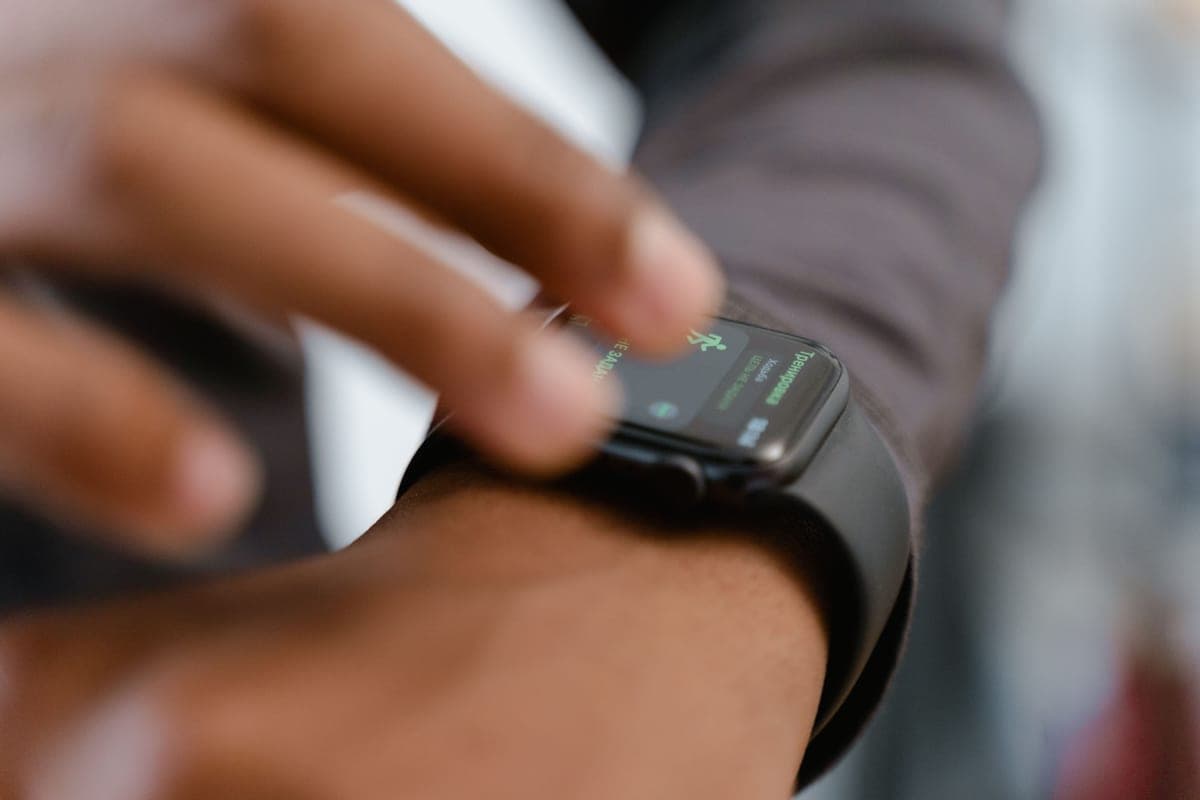
Best GPS Watch for Marathon Training: Seven Picks for an 18-Week Build
Seven GPS watches ranked for an 18-week marathon build, led by the Garmin Forerunner 970, with the battery math for 20-mile long runs.
Top pick: Garmin Forerunner 970 · 7 picks
Check price · Amazon#ad · Price set by Amazon · Affiliate disclosure for the link to Garmin Forerunner 970
Running Gear
Best Gifts for Marathon Runners, From Long-Run Training to Race Day
Seven gifts for half and full marathoners, led by the Theragun Mini, with a hydration vest, a GPS watch, gels and race-day extras, plus what to check first.
Top pick: Therabody Theragun Mini (3rd Gen) · 7 picks
Check price · Amazon#ad · Price set by Amazon · Affiliate disclosure for the link to Therabody Theragun Mini (3rd Gen)