Level 2 · 10K
5K & 10K: shoes and gear for your first races
At this level one daily trainer still does nearly everything. The questions change, though: do you need a lighter shoe for race day, is your pace any good, and what goes in the bag the night before? We answer each, with picks.

We earn a commission if you buy through our links, at no extra cost to you. It never decides the ranking — the method is published · Affiliate disclosure

Start here
Best Running Shoes for 5K and 10K Training: One Trainer for Your 8-Week Plan
Our top pick: Saucony Ride 19 — Saucony's all-round daily trainer with reformulated PWRRUN+ foam, a mid-height stack and Wide sizes for men and women: a balanced pick that fits every tier from C25K to marathon.
#ad · Price set by Amazon · Affiliate disclosure for the link to Saucony Ride 19
What the 5K and 10K level asks of you
This is the level for runners who can already run a couple of miles and now have a race in mind: a 5K after finishing Couch to 5K, or a first 10K. Hal Higdon's Novice 10K, the plan we use for this tier, is 8 weeks of three runs a week: 2 to 3 miles on Tuesdays and Thursdays and a Sunday run that builds from 3 to 5.5 miles, plus two cross-training days. That's about 7.5 to 10.5 run-miles a week by our arithmetic from the published schedule. Higdon's pace advice is refreshingly simple: "As a novice, don't worry about how fast you run; just cover the distance." If you're starting further back, our how long to train for a 10K guide maps out the weeks from a 5K or from scratch.
What to buy first: one daily trainer
One daily trainer still does nearly everything at this level. Every training run in a novice 10K plan is meant to be at a pace you can talk at, and the longest is 5.5 miles, so there's no job here that needs a second pair. Buy a comfortable, neutral (or stability, if you need it) trainer that fits your foot, and do every run in it. Our best running shoes for 5K and 10K ranks seven for exactly this plan, led by the Saucony Ride 19. If your Couch-to-5K shoes still fit and feel supportive, they can carry you through a 10K plan too. Torn between the Brooks Ghost and HOKA Clifton? See Brooks Ghost vs HOKA Clifton.
When a lighter race shoe earns its place
The category splits into three roles at this level. The daily trainer does the miles. A lighter, plateless fast shoe can handle faster sessions and race day. A carbon super shoe or racing flat is a race-day tool. For a first 5K or 10K, the honest advice is to race in the trainer you know. A second shoe starts to make sense when you're racing for a time, or when you move to a plan like Higdon's Intermediate 10K, which adds 400-meter intervals at 5K race pace and tempo runs for runners already doing 15 to 25 miles a week.
Our best racing shoes for 5K and 10K walks through when a race shoe is worth it and which kind suits how you land, and adidas Evo SL vs Adios Pro 4 answers the question most runners at this level are really asking: do I need carbon for a 10K? (For most, no.)
A basic watch starts to help
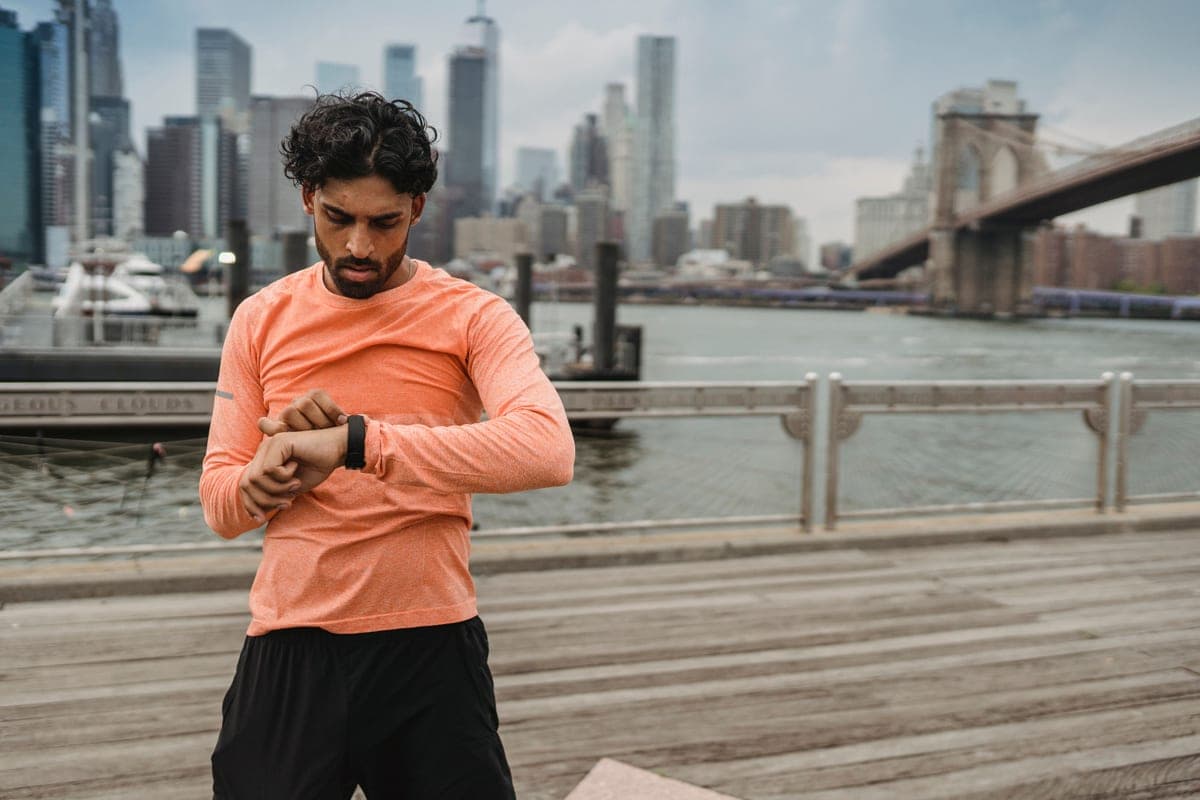
Couch to 5K is measured in minutes: run 1 minute, walk 90 seconds, build to 30 minutes. The 10K plan is written in miles, so you need a way to measure distance. A phone app works; a basic GPS watch makes it easier and lets you leave the phone behind. You don't need maps, music storage or multi-band satellite modes at this level. Our best running watch for beginners covers the entry-level options.
Race-day prep
The race itself is where small things go wrong: new shoes, a pinned bib that flaps, a start that's far too fast. Our first 10K race-day checklist covers the night before, race morning, pacing and the etiquette of your first start line, and it works for a 5K too. Curious how your pace stacks up? Is a 10-minute mile good? compares it with race results.
What decides the price
Mostly the foam, and the job the shoe is built for. Race-day super shoes, with carbon plates or rods and the lightest, bounciest foams, sit at the top of the range: RunRepeat's Adios Pro 4 review acknowledges that some runners find "the price or stiffness of traditional super shoes off-putting." Those premium foams usually lift the price of trainers too, which is why RunRepeat's Evo SL review made a point of that shoe being "priced like a daily trainer" despite a full Lightstrike Pro midsole. Traditional daily trainers with conventional foams sit below both. At this level, the money is best spent on a trainer that fits, not on race-day technology.
The most common mistake
Buying the race shoe before the trainer. A carbon super shoe or racing flat is the wrong tool for eight weeks of conversational running, and some are built on narrow heels that suit midfoot and forefoot strikers only. Get the trainer right first, run the plan in it, and treat a race shoe as a reward for a second or third race, not a requirement for the first.
Next level up, or down
Still at the run/walk stage? Start one rung down at Couch-to-5K, where the shoes and kit are built around nine weeks of run/walk. Finished your 10K and eyeing 13.1? The half marathon hub is the next rung, and our best shoes for 10K to half marathon covers the shoe that bridges the jump from 5.5-mile to 10-mile long runs.
Ranked
Our picks
Our picks
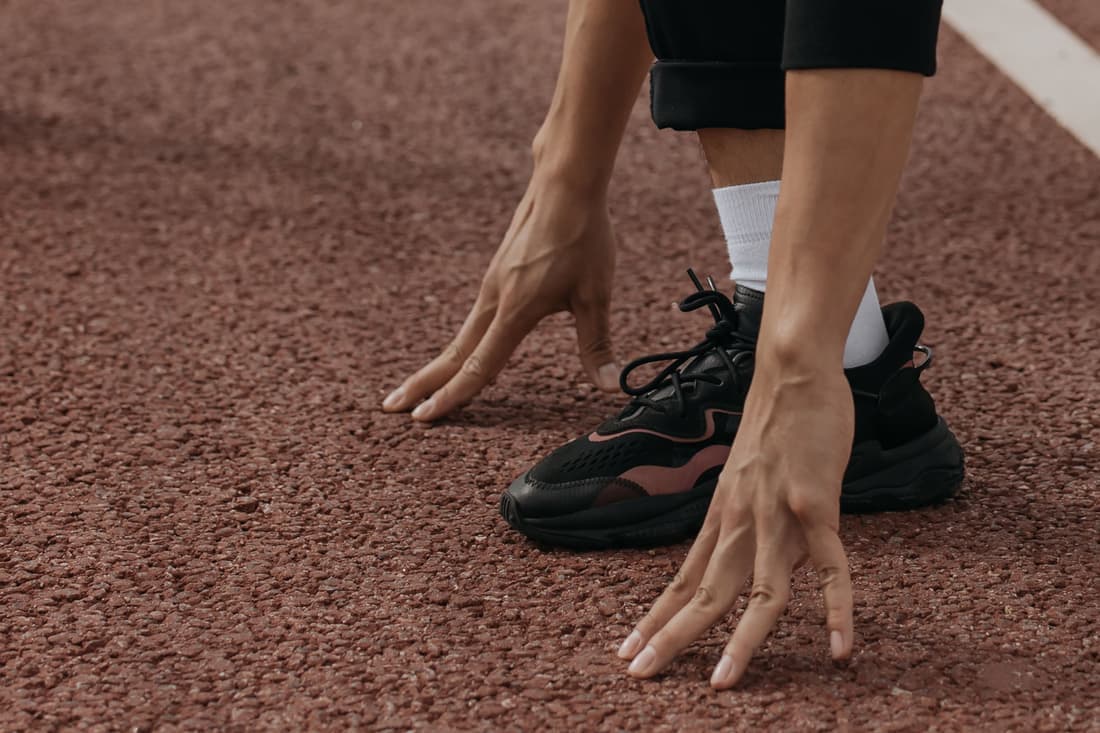
Best Running Shoes for 5K and 10K Training: One Trainer for Your 8-Week Plan
Seven daily trainers ranked for 5K and 10K training, led by the Saucony Ride 19: one shoe for every run in an 8-week plan.
Top pick: Saucony Ride 19 · 7 picks
Check price · Amazon#ad · Price set by Amazon · Affiliate disclosure for the link to Saucony Ride 19
Our picks
Best Racing Shoes for 5K and 10K, From Your First Race to a PR Chase
Eight race-day shoes for the 5K and 10K, from plateless fast trainers to carbon super shoes and racing flats, led by the adidas Adizero Evo SL.
Top pick: adidas Adizero Evo SL · 8 picks
Check price · Amazon#ad · Price set by Amazon · Affiliate disclosure for the link to adidas Adizero Evo SL

Our picks
Best Shoes for 10K to Half Marathon: The Bridge Shoe for Your Next Distance
Seven bridge shoes for runners moving from a 10K to a first half marathon, led by the ASICS Novablast 6: more foam for longer long runs, still light for faster days.
Top pick: ASICS Novablast 6 · 7 picks
Check price · Amazon#ad · Price set by Amazon · Affiliate disclosure for the link to ASICS Novablast 6
Head to head
Comparisons
Head to head
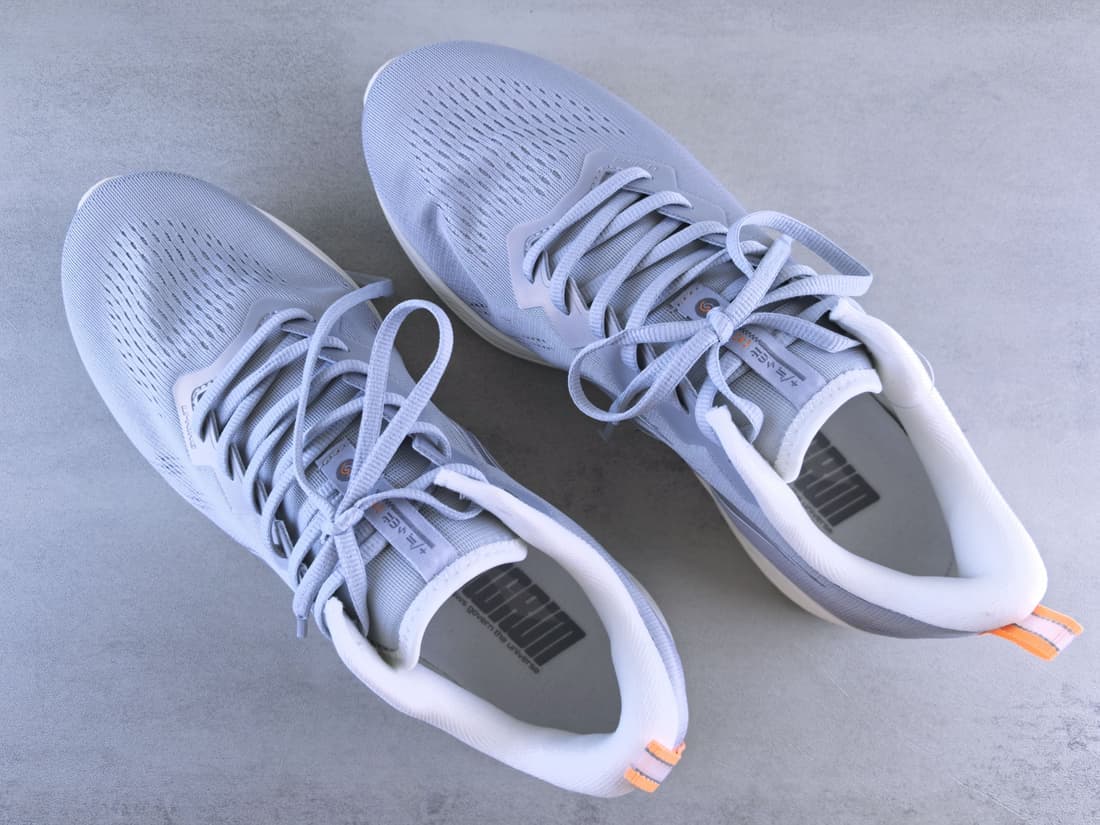
Brooks Ghost vs HOKA Clifton: Ghost 18 vs Clifton 11 for 5K and 10K Training
Brooks Ghost 18 vs HOKA Clifton 11 as a daily trainer for 5K and 10K training: the Ghost for stability and fit range, the Clifton for cushion and lighter weight.
Featured: Brooks Ghost 18
Check price · Amazon#ad · Price set by Amazon · Affiliate disclosure for the link to Brooks Ghost 18
Head to head
adidas Evo SL vs Adios Pro 4: Do You Need Carbon for a 10K?
The plateless adidas Adizero Evo SL against the carbon-rod Adios Pro 4: for most 10K runners the Evo SL is the smarter buy; the Adios Pro 4 is for racing often.
Featured: adidas Adizero Evo SL
Check price · Amazon#ad · Price set by Amazon · Affiliate disclosure for the link to adidas Adizero Evo SL
Know-how
Guides
Guide
How Long to Train for a 10K: 8 Weeks From a 5K, About 17 From Scratch
Eight weeks if you can already run a 5K, about 17 if you're starting from the couch: the published plans, the weekly miles and the gear that plan needs.
Featured: Brooks Ghost 18
Check price · Amazon#ad · Price set by Amazon · Affiliate disclosure for the link to Brooks Ghost 18
Guide
Is a 10-Minute Mile Good? How It Compares With Real Race Results
A 10:00 mile beats the average 5K race pace for both men and women in RunRepeat's study of 107.9 million results. What it means for a 5K and 10K, and the shoes for it.
Featured: ASICS Novablast 6
Check price · Amazon#ad · Price set by Amazon · Affiliate disclosure for the link to ASICS Novablast 6

Guide
First 10K Race Day Checklist: What to Pack, Wear and Do (It Works for a 5K Too)
A night-before and race-morning checklist for a first 5K or 10K, with pacing and etiquette tips and the three small pieces of gear worth having.
Featured: Nathan Race Number Belt
Check price · Amazon#ad · Price set by Amazon · Affiliate disclosure for the link to Nathan Race Number Belt
Filed elsewhere, written for you
Also worth reading
Shoes
Best Tempo Running Shoes for 10K, Half and Marathon Training
Tempo shoes for runners whose plan has started asking for speed: nylon-plated, plateless and carbon options, matched to 10K, half and marathon workouts.
Top pick: Saucony Endorphin Speed 5 · 7 picks
Check price · Amazon#ad · Price set by Amazon · Affiliate disclosure for the link to Saucony Endorphin Speed 5
Running Gear
Best Running Watch for Beginners, From Couch-to-5K to Your First 10K
Six GPS watches ranked for Couch-to-5K and first-10K runners, led by the Garmin Forerunner 70 and its built-in running coach.
Top pick: Garmin Forerunner 70 · 6 picks
Check price · Amazon#ad · Price set by Amazon · Affiliate disclosure for the link to Garmin Forerunner 70
Shoes
Daily Trainer vs Tempo Shoe: When Your Training Needs a Second Pair
What a daily trainer and a tempo shoe each do, side by side, and the point in a 10K, half or marathon plan where a second pair starts to earn its place.
Featured: Saucony Ride 19
Check price · Amazon#ad · Price set by Amazon · Affiliate disclosure for the link to Saucony Ride 19