5K & 10K · Guide
First 10K Race Day Checklist: What to Pack, Wear and Do (It Works for a 5K Too)
Everything to lay out the night before, what to do on race morning, and the few race-day habits that make a first 5K or 10K go smoothly.
We earn a commission if you buy through our links, at no extra cost to you. It never decides the ranking — the method is published · Affiliate disclosure
The short version: rest the day before, lay everything out the night before, wear only things you've trained in, get there early, pin your bib on the front, start slower than you want to, and keep moving through the finish. That's most of what goes wrong on a first race day, and all of it is avoidable. The full checklist below works for a 5K as well as a 10K.
Race week
The work is done by race week, so the goal is to arrive rested and with nothing left to figure out on the morning:
- Follow the plan's lighter week rather than squeezing in an extra long run.
- Read the race information email: start time, start location, bib pickup (when and where), parking, bag check and the course map.
- Do one short run in the full race-day outfit, shoes and socks included, so you know nothing rubs.
- Plan how you'll get to the start and how long it takes, including parking and the walk from the car.
- Look over the course map so you know where the turns, hills and water stations are before you see them.
- Decide what you'll carry. For a 5K or 10K most runners need only a bib, a watch and a key; if you carry a phone, use the pocket or belt you trained with.
The checklist
The night before
- Lay out everything you'll wear and carry, down to the socks. HealthPartners physical therapist Lauren Loberg's race-day advice starts here: "The night before, lay out everything you'll need for the next day."
- Attach your bib to your shirt, or clip it to a race number belt, so you're not hunting for safety pins at the start.
- Charge your watch and phone, and check the start time, start location, parking and bag-check rules in the race's information email.
- Check the forecast and pick clothes for the weather you'll have once you're running, not the weather at the start line.
- Plan a breakfast you've already eaten before a training run.
Race morning
- Eat that familiar breakfast. Loberg's guidance for marathoners is a breakfast "that has plenty of carbohydrates, some protein, and very little fat and fiber," and the same logic applies to a shorter race: nothing new.
- Allow plenty of time to wake up, eat and get to the start. Loberg's advice is to leave room for all three.
- Pack a bag for after: a dry top, a snack and water.
- Use the restroom well before you line up.
At the start
- Pin or clip your bib on the front. The Road Runners Club of America's etiquette guide asks runners to pin the number "on the front of your shirt or shorts" so officials and photographers can see it.
- Line up by pace. The RRCA asks runners to "allow faster runners to line-up first," with slower runners and walkers toward the middle and back.
- Start your watch when you cross the start line, not when the gun goes, so the time on your wrist is your own.
After the finish
- Keep moving past the timing mat. The RRCA's line is "don't stop moving!"
- Collect water and food, then meet friends outside the finish area.
The one-glance pack list
| Wear | Carry or clip on | Leave in the car or bag |
|---|---|---|
| The shoes you trained in | Bib, on the front | A dry top |
| Socks you've run in | Watch, charged | Water and a snack |
| Clothes for how warm you'll be once running | Phone and key, if you carry them | A warm layer for after |
| A throw-off layer on a cold morning | Reflective gear for a dark start | Anything you don't want to run with |
What to wear on race day
The shoes you trained in. Loberg's rule for marathoners, "the day of your marathon is not the time to try anything new," holds for a 10K. She lists unfamiliar food, a new gel and new socks as examples, and warns against brand-new shoes that haven't been broken in. If you want a lighter race shoe, buy it early enough to do several training runs in it; our best racing shoes for 5K and 10K covers the options, and for a first race the honest answer is usually the daily trainer you already own.
Socks you've run in. A race is a bad time to find out a new sock rubs. Wear a pair you've done your longest training run in.
Clothes for running warm. Loberg's reminder is that once you start running, your core temperature rises and you can end up uncomfortably hot. A layer you can take off before the start (and leave with a friend or in bag check) handles a cold morning.
Something reflective if it's dark. For early starts before sunrise, the NHS running advice is to wear reflective clothing when running in darkness.
Three small things worth having
You don't need new gear to run a first 10K. If you're going to add anything, these three are the pieces that solve real race-day problems: pinning a bib, blisters, and knowing your pace. Buy them early and use them in training first.
Picks for this job
Race-day kit for a first 5K or 10K
A bib belt, a blister-conscious sock and a watch you can read at a glance. Nothing here needs a size you can get wrong except the socks.
 Stock photo
Race-day add-on
Nathan Race Number Belt
Three bib attachments on a one-size belt, so your number sits on the front with no pins through your shirt. The gel loops matter more in longer races.
Check price · Amazon#ad · Price set by Amazon · Affiliate disclosure for the link to Nathan Race Number Belt
 Stock photo
All levels: the all-round no-show
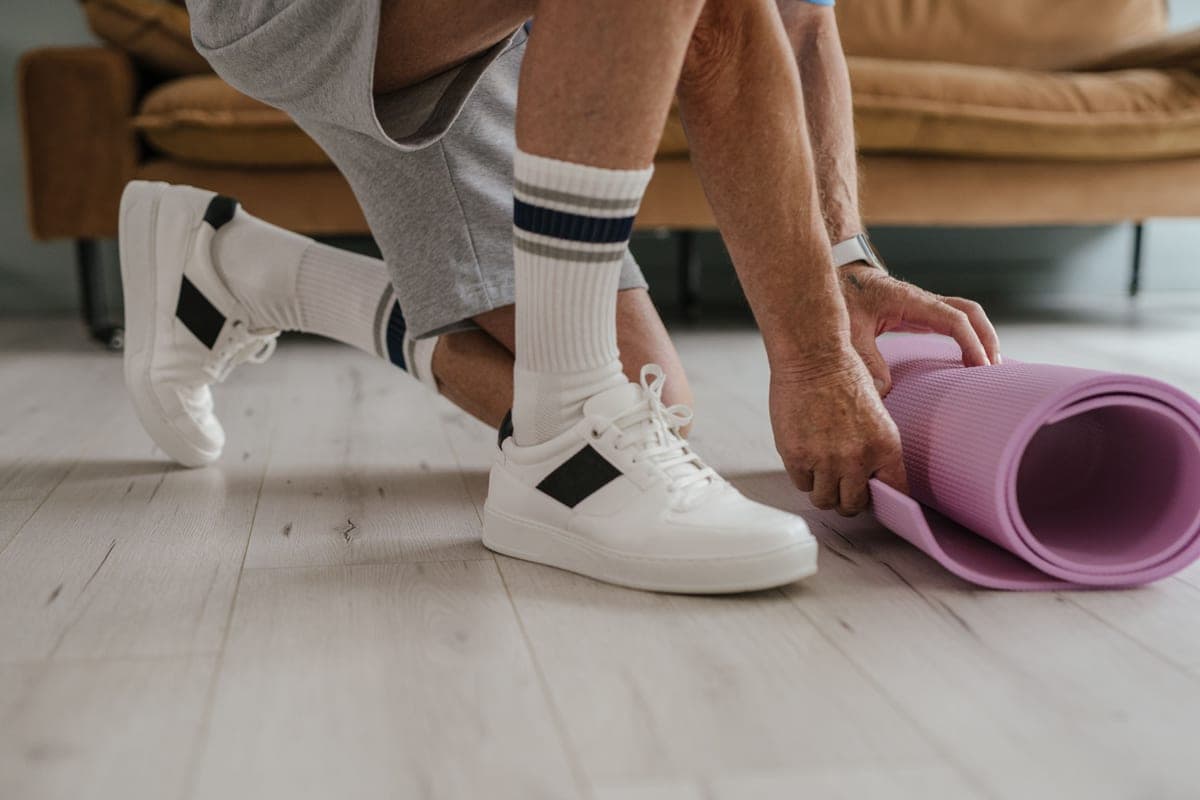
Feetures Elite Light Cushion No Show Tab
A seamless toe, a double-thick heel tab and left/right-specific shaping. Buy them weeks out and do your long run in them before race day.
Check price · Amazon#ad · Price set by Amazon · Affiliate disclosure for the link to Feetures Elite Light Cushion No Show Tab
 Stock photo
C25K to half: light, long-battery value
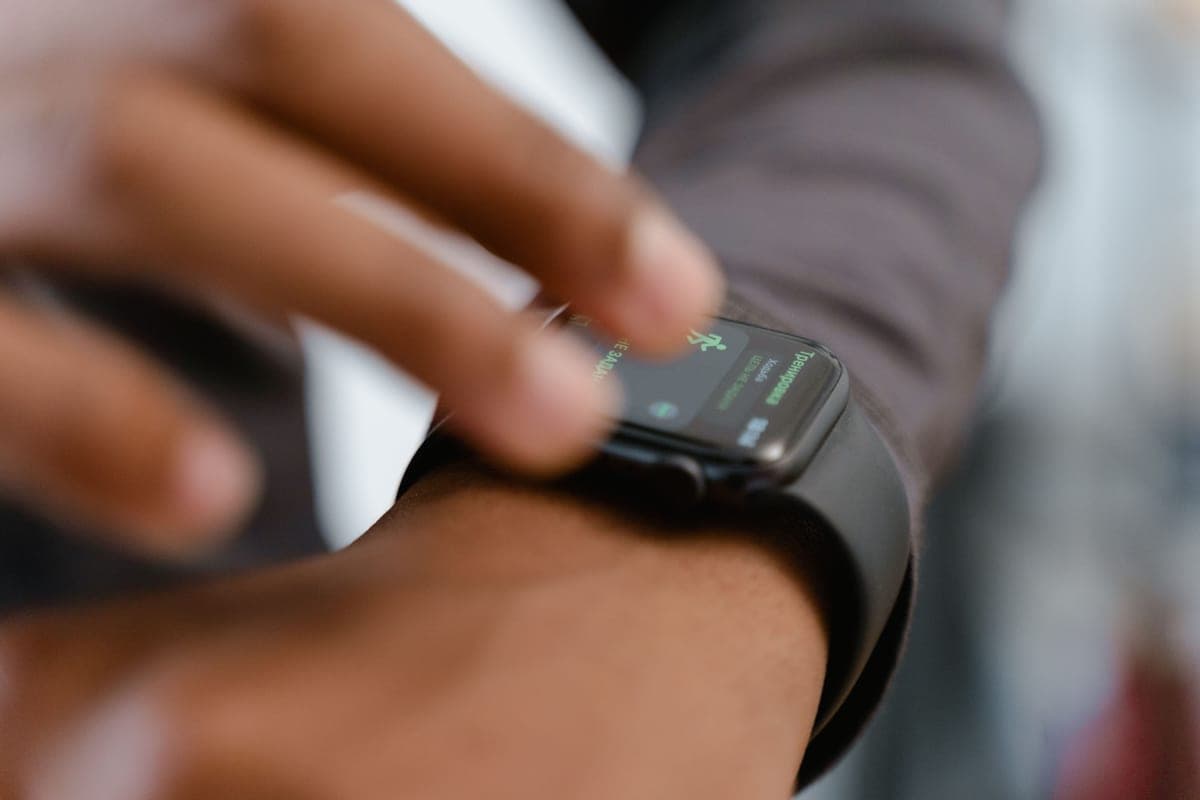
COROS Pace 3
An always-on display you can glance at mid-race without a wrist flick, up to 38 hours of standard GPS, and 30 g on the nylon band.
Check price · Amazon#ad · Price set by Amazon · Affiliate disclosure for the link to COROS Pace 3
For more watch options at this level, see the best running watch for beginners, and for other sock builds, the best running socks.
10K race tips: pacing your first race
One mistake is easy to make on a first race day: starting too fast. The crowd, the music and the adrenaline all make your usual pace feel slow. Loberg's warning to marathoners applies at any distance: "Sprinting out of the gate will have you cursing yourself once you hit those final miles."
- Run the first mile at your training pace. Higdon's novice plan has you run at "a pace that allows you to converse comfortably." If you can still talk in short sentences through mile 1, you've started right.
- Pick it up only in the second half. In a 10K, that means after 5K. If you feel good at 4 or 5 miles, that's the time to push.
- Walk if you need to. Higdon tells novices on long runs, "Don't be afraid to take walking breaks." In a race, the RRCA asks you to give a signal, such as raising a hand, and move to the side of the course before you slow to a walk.
- Drink if it's warm. At water stations, the RRCA asks runners to move to the right, drop cups down by the waist rather than over the shoulder, and throw them away from the course.
Race etiquette for first-timers
Most road races run on a handful of shared courtesies. The RRCA's runner etiquette guide covers them; these are the ones first-timers most often miss:
- Run no more than two abreast, and let faster runners pass without blocking them.
- Move to the side of the course to spit, blow your nose or stop.
- Don't stop on the start or finish line for photos.
- Never swap bibs with another runner without the race director's approval.
- Headphones: the RRCA has kept a guideline against headphones in races since the mid-1980s as a safety precaution, though it isn't an outright ban and local races make their own rules, so check yours. Its etiquette guide also asks runners not to blast music during pre-race announcements.
- Thank the volunteers.
What changes for a 5K
Almost nothing on the checklist. A 5K is shorter, so there's less to plan for water and fuel, and the race-number belt's gel loops will go unused. The pacing rule still applies, and it's easier to break over a short distance because the fast start feels sustainable for longer. If you've just finished Couch to 5K, a sensible target for a first race is the comfortable pace you held for your 30-minute runs.
If something goes wrong
- You started too fast. Slow down now rather than hanging on. Dropping to a walk for a minute is allowed; move to the side first, as the RRCA asks.
- A hot spot on your foot. If it's getting worse, step to the side of the course to fix a sock or retie a lace. For next time, our blister prevention guide covers socks, fit and lacing.
- Your watch died. Run by feel: start from the comfortable, conversational effort you trained at, and save any push for the last mile or two.
- You feel unwell. Stop and tell a course marshal or medical volunteer. There will be other races.
After the finish
Keep walking for a few minutes, drink something, and eat when you can. Then pick your next goal. If this was a 5K, the next step is training for a 10K, which Higdon's novice plan covers in 8 weeks. If it was a 10K, the half marathon is the next rung, and our first half marathon tips pick up where this page leaves off.
How we chose these
Shoes we claim to have lab-tested: 0
Plenty of sites say they ran hundreds of miles in every shoe. We didn't, and we say so. What we do instead: start from what a published training plan actually asks of a runner at your level, compare each model's published specs (stack height, drop, weight, plate, stability features, widths) against that job, and score every pick on a public rubric. Each spec links to where it came from.
Scores are editorial judgments from that documented research, not lab results. Nobody pays for placement and we don't accept free products. The rubric and weights are on the How We Pick page.
Questions
Frequently asked
What should I eat before a 10K race?
Should I run the day before a 10K?
Where do I put my race bib?
Can you walk during a 10K race?
Can I wear headphones in a 5K or 10K?
Should I wear new shoes for my first race?
Keep going
Related reading
- Best racing shoes for 5K and 10KWhen a lighter race shoe is worth it, and which one.
- How long to train for a 10KFrom a 5K or from scratch, week by week.
- Best running watch for beginnersWatches ranked for Couch-to-5K and first-10K runners.
- Best running socksBlister features, cushion levels and fit, compared.
- Couch-to-5K gear checklistEverything a brand-new runner needs before race day.
- First half marathon tipsThe next rung on the ladder.
Receipts
Sources
- Hal Higdon — Novice 10K training program
- Road Runners Club of America — Runner etiquette
- HealthPartners — Race-day tips for a first marathon (Lauren M. Loberg, PT, DPT)
- NHS — Get running with Couch to 5K
We don't lab-test shoes or gear and we don't pretend to. Specs come from the maker's own pages or the named reviewer's published measurements (linked above); level definitions come from published training plans. Prices are set by Amazon and change often, so we don't print them. Where a figure isn't published, we say so. Read the full method.