Level 3 · HALF
Half marathon shoes and gear, matched to your training
A 12-week half marathon plan is where a second pair of shoes starts to make sense and where carrying water becomes a real question. We sort the picks by the job each one does in your week.
We earn a commission if you buy through our links, at no extra cost to you. It never decides the ranking — the method is published · Affiliate disclosure

Start here
Best Half Marathon Shoes for Training and Race Day, Matched to Your Plan
Our top pick: ASICS Novablast 6 — A light, high-stack neutral trainer with a livelier FF TURBO² forefoot layer: the one shoe that can cover C25K run/walks, easy miles and the occasional tempo day in a half or marathon plan.
#ad · Price set by Amazon · Affiliate disclosure for the link to ASICS Novablast 6
What the half marathon level asks of you
This is the level for runners who have a 5K or 10K behind them and 13.1 miles ahead. Hal Higdon's Novice 1 half marathon plan, the one we use for this tier, runs 12 weeks: short runs on Tuesday and Thursday, an optional run on Wednesday and a Sunday long run that builds from 4 miles to 10. That's about 10 to 23 miles of running a week by our arithmetic from the published schedule. Higdon asks for a conversational pace on regular runs, and he's clear that walking is fine whenever you feel tired. Race day is the first time you cover the full distance, by design. For the week-by-week numbers, see how many miles a week to train for a half marathon.
What to buy first: the long-run shoe
Start with one cushioned daily trainer that's comfortable at mile 9, because by week 11 the long run is close to half of your weekly running. For most runners that one pair can carry the whole plan, including race day. Our ranked picks are in the best half marathon shoes, and if this is your first 13.1, the best half marathon shoes for beginners narrows the list to forgiving, well-fitting trainers. Buy before week 1, so the shoe is settled long before the 8-, 9- and 10-mile runs.
Where a second pair starts to make sense
Not everyone needs a second pair here. Novice 1 has no scheduled speedwork, so a single trainer covers it. A second shoe earns its place when your plan adds faster running: Higdon's Novice 2 adds race-pace runs midweek and a 12-mile long run, and Intermediate 1 adds a fifth run day. Then the split is simple: a cushioned trainer for easy and long runs, and a lighter shoe for pace days, tune-up races and race day. Two head-to-heads cover the most common second-pair questions: ASICS Novablast vs Superblast and Saucony Endorphin Speed vs Pro.
How the half marathon shoe category divides
Every pick on this hub does one of four jobs. A daily trainer carries your easy miles and, at this level, often your long run too. A super trainer uses tall, lively foam for long runs and uptempo days. A tempo or plateless fast shoe handles race-pace running and can double as a race shoe. And a race shoe, usually carbon-plated, is for race day and a few key sessions. Stability versions exist in the daily-trainer job for runners who want support. The carbon question gets its own pages: the best half marathon race shoes for plated options, and half marathon shoes without a carbon plate for the rest.
Water on the 10-mile long run
The half is also the level where carrying water becomes a real question. There's no universal amount to drink: the American College of Sports Medicine says sweat rates vary so much between people that customized plans are recommended, and suggests weighing yourself before and after exercise to estimate yours. If you need water, a belt with a bottle or a handheld covers most 8-to-10-mile runs; a vest is worth it mainly for hot days or routes without water. On race day, Higdon suggests walking through aid stations so you can drink more easily. Our half marathon gear checklist covers carry options, gels, socks and the night-before bag.
What decides the price
At this level, what you pay extra for is mostly foam and plates, and the reviewers we rely on flag it directly: RTINGS notes the Superblast 3 costs more than the Novablast 6 and that most casual runners won't need its level of cushioning, and RunRepeat names the Evo SL as a more affordable alternative to the Superblast with comparable performance. RunRepeat also calls the Megablast's price hard to justify for many runners. Stability features and wide widths are about fit rather than speed, so buy them when your feet need them. You never need race technology to train for a half; if you're going to spend more anywhere, spend it on the shoe that carries your long runs.
The most common mistake
Buying for race day before buying for training. A carbon racer is exciting, but it's the last pair a half marathoner needs, not the first, and racing in a shoe you've never taken past 6 miles is a gamble on the one day it matters. The fix is simple: choose the long-run shoe first, test anything you'll race in during the week 6 5K and week 9 10K tune-ups and at least part of a long run, and change nothing in race week. Our first half marathon tips cover race week, the night before and pacing past your 10-mile long run.
One level down, one level up
Not ready for 13.1 yet? If Novice 1's first week of 3-mile runs feels like a stretch, Higdon suggests a shorter race first; our 5K and 10K hub is the step below, and best shoes for 10K to half marathon covers the bridge. Already planning 26.2? The marathon hub is the next step up: Higdon's Novice 1 marathon plan runs 18 weeks, with a long run that peaks at 20 miles. Unsure of your tier? The Level Finder sorts it out by pace and weekly miles.
Ranked
Our picks
Our picks
Best Half Marathon Shoes for Training and Race Day, Matched to Your Plan
Half marathon shoes sorted by the job each does in a 12-week plan: the do-it-all daily trainer, a faster second pair, long-run and stability options, and a race-day shoe.
Top pick: ASICS Novablast 6 · 7 picks
Check price · Amazon#ad · Price set by Amazon · Affiliate disclosure for the link to ASICS Novablast 6

Our picks
Best Half Marathon Shoes for Beginners Training for a First 13.1
Shoes for a first half marathon: stable, cushioned trainers that fit a 12-week novice plan, with support, wide-fit and max-cushion options and an optional faster second pair.
Top pick: Brooks Ghost 18 · 7 picks
Check price · Amazon#ad · Price set by Amazon · Affiliate disclosure for the link to Brooks Ghost 18
Our picks
Best Half Marathon Race Shoes: Super Shoes and Plateless Picks by Runner
Race-day shoes for the half marathon: the steadier carbon racer for first-timers and heel strikers, lighter options for efficient forefoot runners, and a plateless alternative.
Top pick: Saucony Endorphin Pro 5 · 7 picks
Check price · Amazon#ad · Price set by Amazon · Affiliate disclosure for the link to Saucony Endorphin Pro 5
Our picks
Best Half Marathon Shoes Without a Carbon Plate, for Training and Race Day
Plateless super trainers and non-carbon plated shoes for the half marathon, ranked for runners who want one fast shoe for training and race day without a carbon plate.
Top pick: ASICS Megablast · 7 picks
Check price · Amazon#ad · Price set by Amazon · Affiliate disclosure for the link to ASICS Megablast
Head to head
Comparisons
Head to head
Saucony Endorphin Speed 5 vs Endorphin Pro 5: Which One for Your Half Marathon?
Endorphin Speed 5 or Endorphin Pro 5? The nylon-plated trainer covers tempo days and can race; the carbon Pro is the race-day shoe. Which to buy first, by level.
Featured: Saucony Endorphin Speed 5
Check price · Amazon#ad · Price set by Amazon · Affiliate disclosure for the link to Saucony Endorphin Speed 5

Head to head
ASICS Novablast 6 vs Superblast 3: Daily Trainer or Super Trainer for Half Training?
Novablast 6 or Superblast 3 for half marathon training? The daily trainer that can do everything vs the tall super trainer for long runs, compared on lab data and by plan.
Featured: ASICS Novablast 6
Check price · Amazon#ad · Price set by Amazon · Affiliate disclosure for the link to ASICS Novablast 6
Know-how
Guides
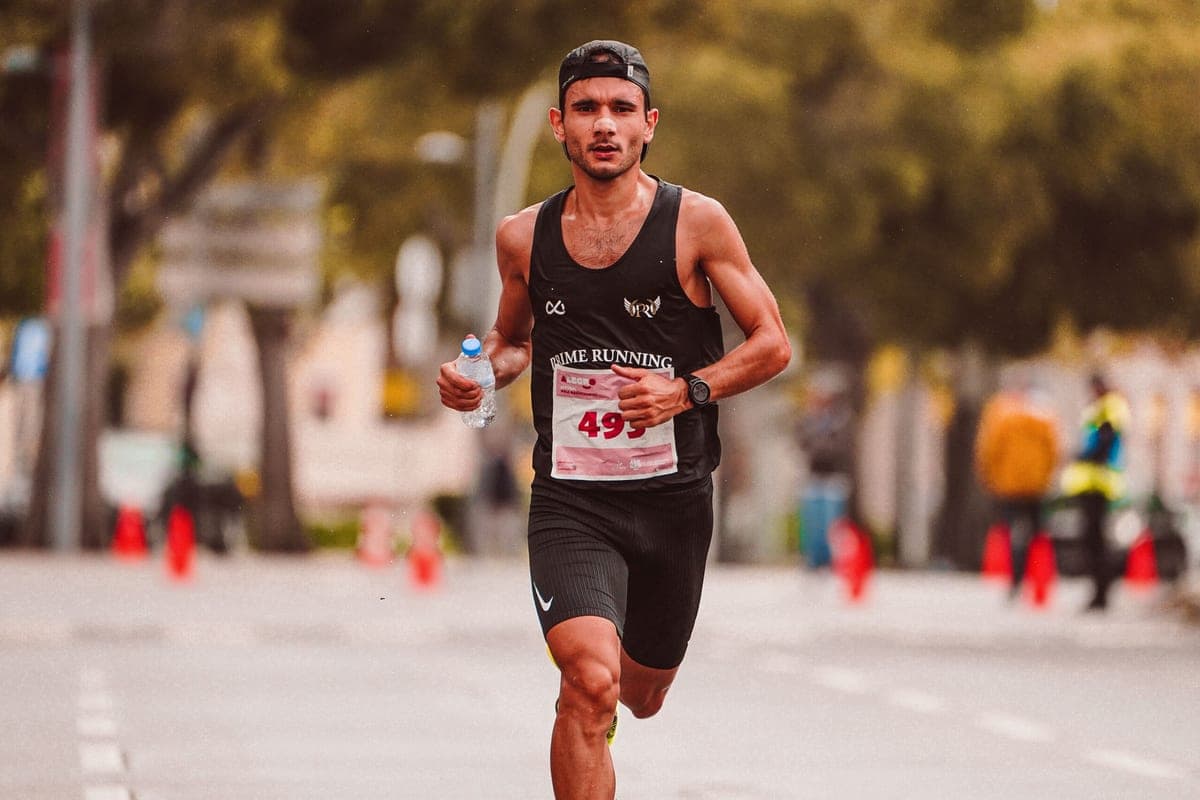
Guide
Half Marathon Gear Checklist: What to Wear and Carry for Training and Race Day
What a half marathoner really needs: tested shoes, non-cotton kit, water for the 10-mile long run, a watch, blister-resistant socks, anti-chafe balm and gels you've practiced with.
Featured: Nathan Peak Hydration Waist Pack
Check price · Amazon#ad · Price set by Amazon · Affiliate disclosure for the link to Nathan Peak Hydration Waist Pack
Guide
How Many Miles a Week to Train for a Half Marathon, Week by Week
Weekly mileage for half marathon training, week by week from Hal Higdon's Novice 1 plan, compared with Novice 2 and Intermediate 1, plus the two-shoe setup to run it in.
Featured: Saucony Ride 19
Check price · Amazon#ad · Price set by Amazon · Affiliate disclosure for the link to Saucony Ride 19
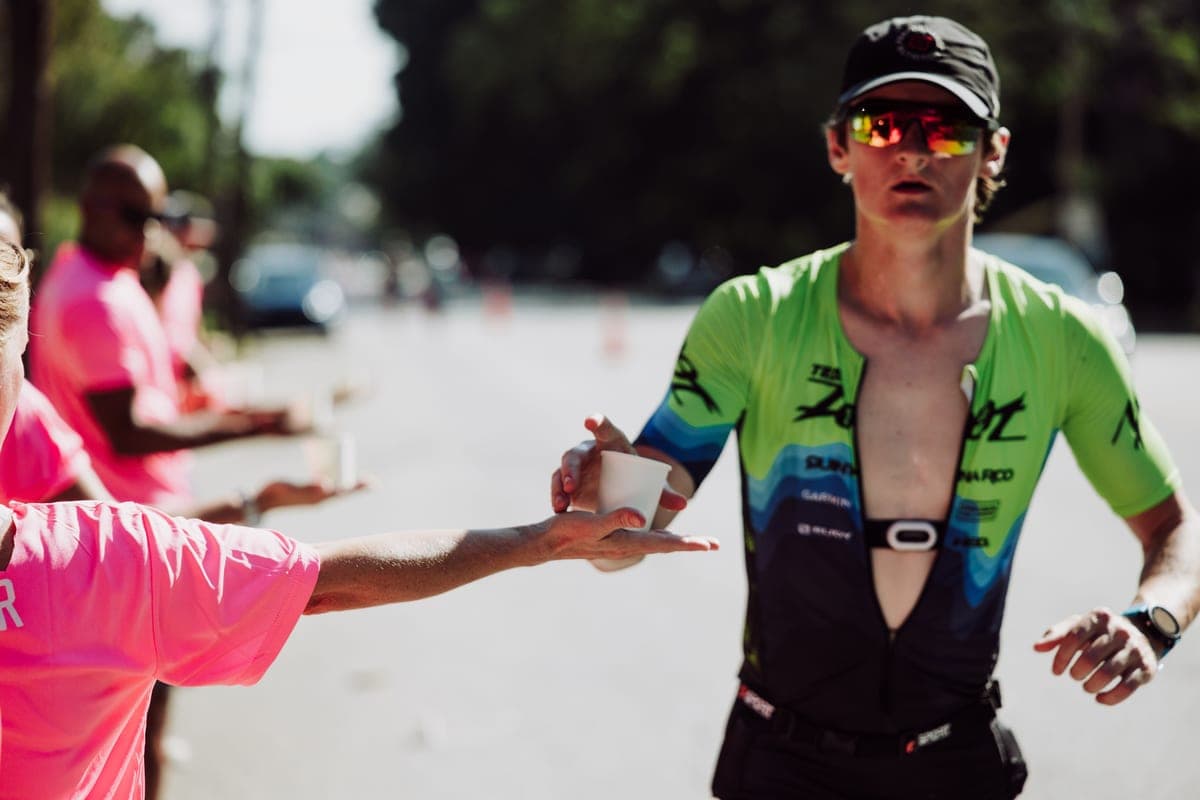
Guide
First Half Marathon Tips: Race Week, the Night Before and Race Day
Race-week, night-before and race-morning tips for a first half marathon, with a pacing plan for going past your 10-mile long run and a fueling plan you can practice.
Featured: Nathan Race Number Belt
Check price · Amazon#ad · Price set by Amazon · Affiliate disclosure for the link to Nathan Race Number Belt
Filed elsewhere, written for you
Also worth reading
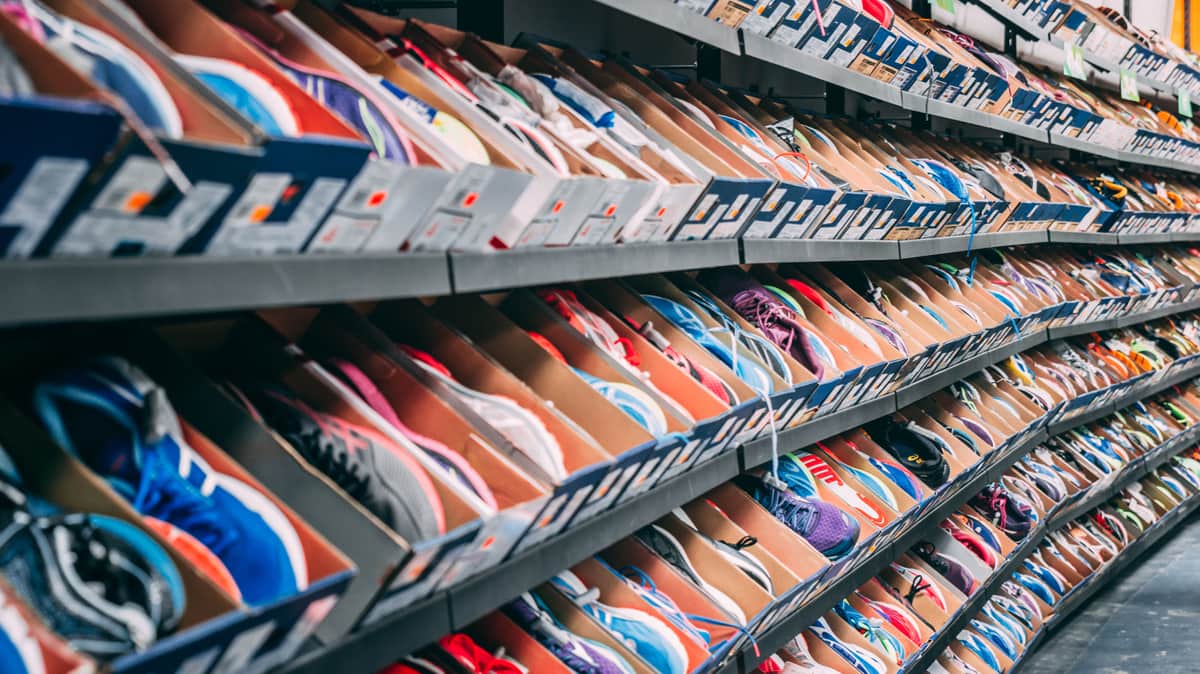
Shoes
Running Shoe Rotation Guide: How Many Pairs You Need at Each Level
How many running shoes you need at each level, when to add the next pair, what the rotation research found, and example two- and three-shoe rotations.
Featured: Saucony Ride 19
Check price · Amazon#ad · Price set by Amazon · Affiliate disclosure for the link to Saucony Ride 19
Running Gear
Hydration Vest vs Belt: What to Carry for a Half or Full Marathon
Vest or belt for half and marathon training: capacity, fit, storage and race rules compared, with a handheld as the simplest alternative.
Featured: Salomon ADV Skin 5 Set
Check price · Amazon#ad · Price set by Amazon · Affiliate disclosure for the link to Salomon ADV Skin 5 Set

Shoes
Best Daily Trainer Running Shoes: The One Pair Every Level Needs
The everyday running shoe for Couch to 5K through marathon training: eight neutral daily trainers compared on cushion, drop, weight and width, with a pick for each level.
Top pick: ASICS Novablast 6 · 8 picks
Check price · Amazon#ad · Price set by Amazon · Affiliate disclosure for the link to ASICS Novablast 6