Winter running is not a clothing problem so much as an order-of-operations problem: cover the extremities, keep the sweat moving, and make sure a driver can see you at 6 a.m. These seven pieces are the kit that actually changes a cold, dark run, ranked by what to buy first — not by what costs the most.
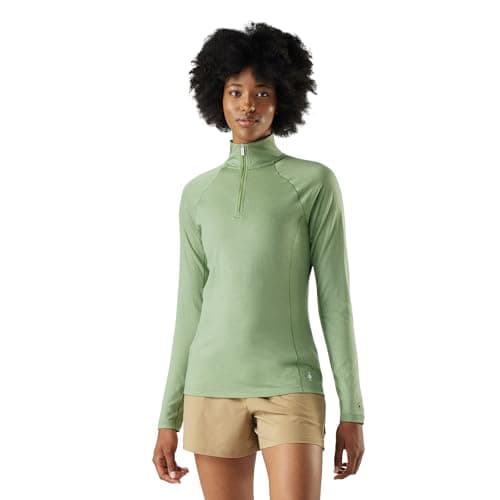
iRunFar's best base-layer shirt for winter running: merino that keeps insulating when it is damp, with a quarter-zip for the only temperature control that works mid-run. The honest cons: it is the most expensive item here, merino wears faster than polyester under a vest strap, and a mid-weight wool layer is too warm above about 45F.
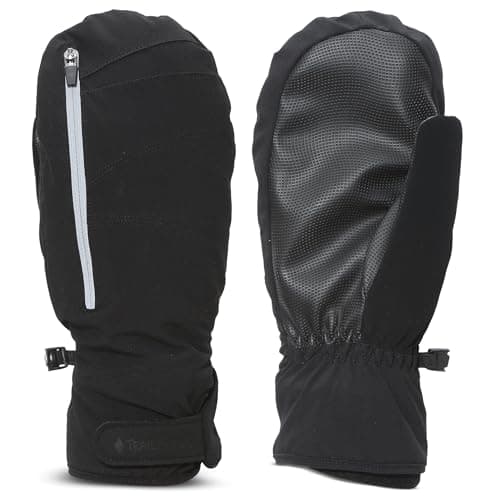
PrimaLoft insulation in a convertible mitten iRunFar reports testing to -15F, with a zip so you can get a hand out for a phone. The cons: iRunFar calls them heavy and not packable, they are far more glove than you need above freezing, and the zip is one more thing that can fail.
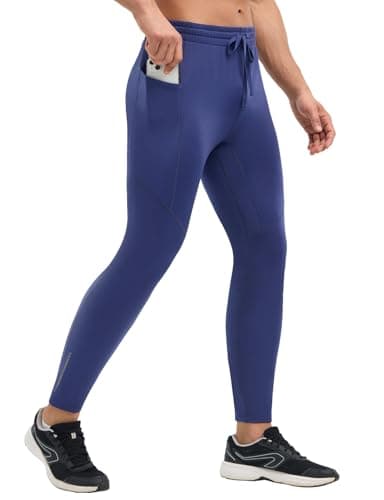
Fleece lining, three zip pockets, a drawcord waist and reflective prints for a fraction of a technical tight. The cons are real: Baleaf publishes no fabric composition, weight or temperature range, the waterproof claim has no rating behind it, and there are no lower-leg zips.
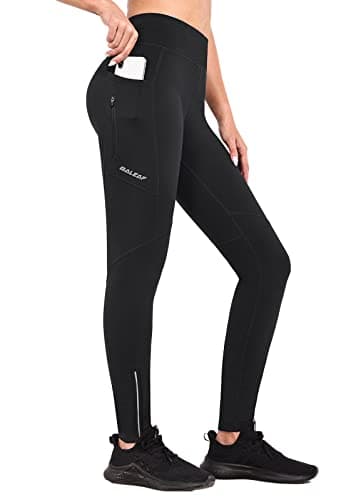
The same answer in women's sizing, with a water-resistant face fabric and zip pockets. The cons: no published fabric or temperature figures either, no reflective detail stated on the listing, and budget construction.
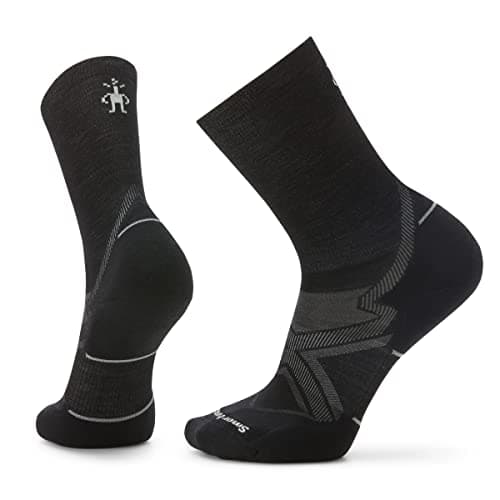
iRunFar's cold-weather sock pick: 56% merino with mesh zones, a seamless toe and cushioning only at the toe and heel. The cons: iRunFar notes it is thicker than average and may not suit a snug shoe, merino costs several times what polyester does, and it is too warm above about 50F.
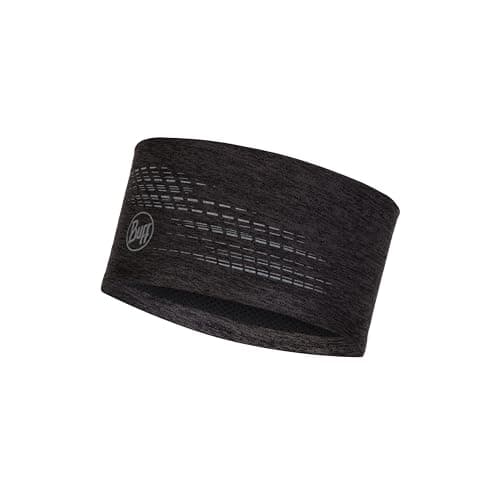
An ultralight headband with 360-degree reflectivity that covers your ears and packs into a pocket when they warm up. The cons: no crown coverage, so it is not enough in hard cold; it will not steady a headlamp strap; and there is no wind-blocking membrane.
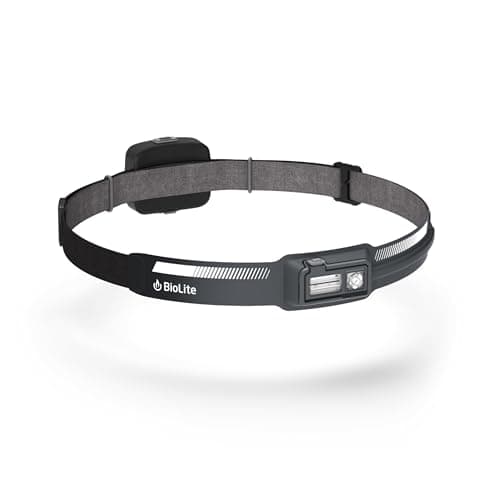
450 lumens, a 10 mm-thick front and — the part that matters on a road — a dimmable rear red light, at 2.75 oz. The cons: 3 hours of burn time on high, IPX4 rather than a sealed rating, and it is the priciest thing here after the base layer.
#ad · Prices come live from Amazon, last checked October 12, 2026. Scores are ours, compiled from published specs and the maker's intended use. Product photos come from Amazon. Tap a row for the full write-up.
The short version
If you buy one thing, buy the Smartwool Classic All-Season Merino Base Layer 1/4 Zip. iRunFar makes it its best base-layer shirt for winter running, and a base layer is the piece that decides whether you finish a cold run comfortable or soaked. Wool keeps insulating when it is damp; a cotton tee does the opposite.
If you buy two, add gloves. Hands quit before legs do, and the TrailHeads Insulated Zip Mittens are the warmest option in iRunFar's 2026 testing, which reports using them down to -15F. After that it goes: fleece-lined tights (Baleaf in men's and women's), Smartwool cold-weather socks, a Buff DryFlx headband for ears and reflectivity, and the BioLite Dash 450 headlamp if your winter runs start or end in the dark — which, from November onward, they do.
How we ranked these
This is a kit page rather than a single-category roundup, so the ranking answers a different question: in what order should you spend the money? Every piece was scored on the site's accessory and apparel rubrics, published on how we pick, and the order above came out of these five criteria:
How much of the problem it solves. A base layer changes every cold run you do. A jacket changes the handful of runs that are genuinely wet. Cheapest first is not the rule here; most useful first is.
Whether it works wet. Winter is damp — from sleet above and from sweat inside. Merino keeps insulating when it is wet, which is why two of seven picks are wool and why no cotton appears anywhere on this page.
Whether it makes you visible. Winter running in most of the US means running in the dark at one end of the day. Two picks here exist mainly for that: a headband with 360-degree reflectivity and a headlamp with a rear red light.
Whether the figures are published. We do not test gear. Every figure on this page links to the document that published it — iRunFar's cold-weather guide, the maker's page or the retail listing — and where a brand publishes nothing (Baleaf publishes no fabric composition or temperature range) the entry says so in its cons instead of inventing one.
Price spread, honestly. This page deliberately mixes brackets: wool at full price where wool earns it, and budget fleece-lined tights where a premium tight adds little. Live prices sit on the buy buttons rather than in the text.
Three layers, and the one that matters
Winter kit is usually sold as a three-layer system, and the three layers are not equally important to a runner:
Layer
Job
How much it matters
Base
Move sweat off the skin and keep insulating when damp
Most. This is the layer you run in on nine winter days out of ten
Mid
Trap air for warmth on the coldest days
Sometimes. A long-sleeve over the base covers most of it
Shell
Block wind and water
Least often, but irreplaceable when it is sleeting sideways
That is why the base layer is the first pick and why no jacket is ranked on this page. The honest reason: the shells iRunFar rates highest for winter running are either not sold through the retailer we link to or sit at a price we cannot justify recommending sight-unseen, and we would rather leave a slot empty than fill it with something we have not been able to verify is currently sold. If you need a shell this winter, buy it at a running store where you can feel whether it breathes.
One rule that saves money: a quarter-zip beats a crew neck for running, because the zip is a vent. Opening six inches of neck dumps heat faster than taking a layer off and far faster than regretting it for four miles.
Hands, ears and feet first
Cold hands end runs. Blood goes to the core when you are cold, extremities get what is left, and gloves are therefore the piece with the highest comfort return per dollar after the base layer. The TrailHeads Insulated Zip Mittens are a mitten with a glove inside, which beats a glove on physics alone — fingers warm each other — and the zip means you can get a hand out for a gel or a phone without taking the whole thing off. iRunFar's own caveat is worth repeating: they are heavy and not packable, so they are the hard-cold option rather than the everyday one.
Ears are next, and cheapest. The Buff DryFlx headband covers them, packs into a shorts pocket when you warm up, and is reflective the whole way around, which is a safety feature at exactly head height. It does not cover the crown of your head — if your winter runs well below freezing, a beanie is the better buy, and the headband becomes the fall and spring piece.
Feet last, because running shoes already handle more cold than people expect. What they do not handle is wet. The Smartwool Run Cold Weather Targeted Cushion Crew is 56% merino per its published fiber content, with mesh zones so your feet do not cook and cushioning only at the toe and heel. The one thing to check: iRunFar notes it is thicker than average, and a thicker sock in a snug shoe takes away the toe room you need. Our best running socks page covers the thinner three-season options, and how to prevent blisters when running explains why a damp sock is the thing that actually causes them.
Visibility is winter gear
From November to February most people's weekday runs happen in the dark at one end or the other, and a driver pulling out of a side street is a more realistic winter hazard than hypothermia. Two picks here are about that.
The BioLite Dash 450 is the one piece of hardware we would not skip: 450 lumens for seeing the road, and a dimmable rear red light for being seen from behind, in a 2.75 oz band that sits 10 mm off your forehead. Its limits are published too — 3 hours on high and an IPX4 rating rather than a sealed one — and our best running headlamp page ranks it against brighter lamps that have no rear light at all.
The second is passive: reflectivity on the pieces you were buying anyway. The Buff DryFlx is reflective all the way around; the men's Baleaf tights carry reflective prints, and the women's listing does not claim any, which is exactly the kind of gap worth knowing before you buy. Reflective material only works when a headlight hits it, which is why a light of your own is the part you cannot substitute.
The kit compared
Spec
Smartwool Classic All-Season Merino Base Layer 1/4 Zip
Published details only, each value linked to its source. A dash means the maker or retailer publishes no figure for that row — which, on the budget tights, is most of them.
What to wear at what temperature
The kit above is the shopping list; the wearing is a separate skill. The short version is that you dress about 10 to 20 degrees warmer than the thermometer says, because running generates heat — so a 35F run is dressed like a 50F walk. Our what to wear for a 5K or 10K page has the full chart from 20F to 80F, built on RRCA guidance, and it is the page to read next.
Three principles are worth repeating here because they decide which of these pieces you need:
Vent before you shed. A quarter-zip, pushed-up sleeves and a headband that comes off are cheaper than a second jacket.
Wind changes the number more than temperature does. 30F still is a long-sleeve day. 30F in a 20 mph headwind is a shell day, and the mittens become non-negotiable.
Get out of wet clothes immediately after. The coldest you will be all day is the ten minutes after you stop, and the RRCA flags exactly that in its cold-weather guidance.
What each level actually needs
Level
Buy
Why
Couch to 5K
Base layer, headband, headlamp
Run/walk intervals mean you are moving more slowly and generating less heat, and walk breaks are when you get cold. Visibility matters most here because the runs are short and squeezed into the dark ends of the day.
10K
Add tights and the wool socks
Four or five runs a week in winter means one base layer is not enough laundry-wise, and 40-minute runs are long enough for cold feet to matter.
Half marathon
Add the insulated mittens
Long runs of 90 minutes in winter are where hands and a dropped core temperature become real. This is also where a shell starts to earn its place.
A winter-specific running shoe. For road and sidewalk running, your normal trainer is fine; what changes is traction on ice, and no road shoe solves that. Trail shoes with deep lugs are a different category — see running shoes vs trail running shoes — and if your sidewalks are genuinely iced over, the honest advice is the treadmill that day, which is what our best treadmill running shoes page is for.
Compression anything, bought for warmth. A fleece-lined tight is warm because of the fleece, not the compression.
A second pair of premium tights. Two cheap fleece-lined pairs beat one expensive pair when both are in the wash.
Hand warmers, every run. Useful at a cold start line. Not a substitute for mittens.
Heavy fleece in any layer touching your skin. It holds sweat. That is the whole argument for wool or a technical synthetic next to the skin.
Washing and care
Wash wool cold, and skip the fabric softener. Softener coats the fibers and kills the wicking that you paid for.
Air-dry everything technical. A hot dryer is what turns a good tight baggy and a good sock thin.
Dry gloves inside out. Insulation that stays damp overnight is cold insulation tomorrow.
Charge the lamp the night before, not the morning of. Three hours on high is not a lot if you start the week at 40%.
Keep wool out of a pile of wet kit. Merino resists odor well, but it is not magic, and it is the most expensive thing on this page.
In detail
The picks, in full
1
Buy this first
Smartwool Classic All-Season Merino Base Layer 1/4 Zip
C25K10KHALFMARATHON
8.7 /10
iRunFar's best base-layer shirt for winter running: merino that keeps insulating when it is damp, with a quarter-zip for the only temperature control that works mid-run. The honest cons: it is the most expensive item here, merino wears faster than polyester under a vest strap, and a mid-weight wool layer is too warm above about 45F.
#ad · Price as of October 12, 2026 · Affiliate disclosure for the link to Smartwool Classic All-Season Merino Base Layer 1/4 Zip
2
Best gloves for hard cold
TrailHeads Insulated Zip Mittens
C25K10KHALFMARATHON
8.9 /10
PrimaLoft insulation in a convertible mitten iRunFar reports testing to -15F, with a zip so you can get a hand out for a phone. The cons: iRunFar calls them heavy and not packable, they are far more glove than you need above freezing, and the zip is one more thing that can fail.
#ad · Price as of October 12, 2026 · Affiliate disclosure for the link to TrailHeads Insulated Zip Mittens
3
Best budget tights, men's
Baleaf Men's Fleece Lined Running Tights
C25K10KHALFMARATHON
8.2 /10
Fleece lining, three zip pockets, a drawcord waist and reflective prints for a fraction of a technical tight. The cons are real: Baleaf publishes no fabric composition, weight or temperature range, the waterproof claim has no rating behind it, and there are no lower-leg zips.
#ad · Price as of October 12, 2026 · Affiliate disclosure for the link to Baleaf Men's Fleece Lined Running Tights
4
Best budget tights, women's
Baleaf Women's Fleece Lined Leggings
C25K10KHALFMARATHON
8.0 /10
The same answer in women's sizing, with a water-resistant face fabric and zip pockets. The cons: no published fabric or temperature figures either, no reflective detail stated on the listing, and budget construction.
#ad · Price as of October 12, 2026 · Affiliate disclosure for the link to Baleaf Women's Fleece Lined Leggings
5
Best cold-weather socks
Smartwool Run Cold Weather Targeted Cushion Crew
C25K10KHALFMARATHON
8.7 /10
iRunFar's cold-weather sock pick: 56% merino with mesh zones, a seamless toe and cushioning only at the toe and heel. The cons: iRunFar notes it is thicker than average and may not suit a snug shoe, merino costs several times what polyester does, and it is too warm above about 50F.
#ad · Price as of October 12, 2026 · Affiliate disclosure for the link to Smartwool Run Cold Weather Targeted Cushion Crew
6
Cheapest useful upgrade
Buff DryFlx Headband
C25K10KHALFMARATHON
8.8 /10
An ultralight headband with 360-degree reflectivity that covers your ears and packs into a pocket when they warm up. The cons: no crown coverage, so it is not enough in hard cold; it will not steady a headlamp strap; and there is no wind-blocking membrane.
#ad · Price as of October 12, 2026 · Affiliate disclosure for the link to Buff DryFlx Headband
7
For the dark half of the run
BioLite Dash 450
C25K10KHALFMARATHON
8.4 /10
450 lumens, a 10 mm-thick front and — the part that matters on a road — a dimmable rear red light, at 2.75 oz. The cons: 3 hours of burn time on high, IPX4 rather than a sealed rating, and it is the priciest thing here after the base layer.
#ad · Price as of October 12, 2026 · Affiliate disclosure for the link to BioLite Dash 450
Common mistakes
Dressing for the first mile. You will be cold for ten minutes. Dress for how you want to feel in the second mile, and accept being slightly underdressed at the door.
Cotton anywhere. A cotton tee or sock holds sweat against you and stops insulating the moment it is damp. This is the one hard rule on the page.
Buying a jacket before a base layer. The jacket is the layer you use least. Spend the money in the order above.
Forgetting a light because it is “only” dusk. A rear red light costs nothing to wear and is the difference a driver sees.
Putting a thick sock in a snug shoe. Check the fit with the winter sock on before the first cold run, not during it.
Staying in wet kit after the run. Change immediately. It is also the cheapest way to avoid the post-run chill that makes people quit winter running.
How we chose these
Researched, compared, scored for your level
We start from what a published training plan actually asks of a runner at your level, compare every model's published specs (stack height, drop, weight, plate, stability features, widths) against that job, and score each pick on a public rubric. Each spec links to where it came from, so you can shortlist in minutes and buy with the numbers in front of you.
What is the best winter running gear to buy first?+
A merino base layer — iRunFar's pick is the Smartwool Classic All-Season Merino 1/4 Zip. It is the layer you wear on almost every cold run, it keeps insulating when it is damp with sweat, and the quarter-zip gives you a way to dump heat without stopping. Gloves are second, tights third.
How cold is too cold to run outside?+
There is no single number, because wind and wet matter more than the thermometer. Dressed in the kit on this page, most runners are comfortable well below freezing; the real stop signs are ice underfoot, a hard wind chill, and runs long enough that you cannot get warm again. The RRCA's cold-weather guidance is a sensible read, and when sidewalks are iced over a treadmill day is not a defeat.
Do I need special shoes for winter running?+
For roads and sidewalks, no — your normal trainer is fine, and a thicker sock does more for warmth than a different shoe. What a road shoe cannot fix is ice. Trail shoes with deep lugs help on snow-covered paths but are the wrong tool on pavement; see running shoes vs trail running shoes.
Are merino wool socks worth it for running in winter?+
For cold runs, yes: wool keeps insulating when it is damp, which a synthetic sock does not, and the Smartwool cold-weather crew adds height to cover the gap between tight and shoe. The caveat is fit — iRunFar notes it is thicker than average, so try it in your shoes before the first cold morning.
Gloves or mittens for running?+
Mittens are warmer, because your fingers share heat, and the convertible designs give you fingers back when you need them. Gloves are easier to use a phone or a gel wrapper in. The TrailHeads Insulated Zip Mittens on this page are a mitten over a glove with a zip opening, which is why they are our cold-conditions pick.
What should I wear running in 30 degree weather?+
A long-sleeve base layer, tights, light gloves and something over your ears is the standard answer for 30F with no wind — plus a headlamp if it is dark. Add a shell and the heavier mittens once wind chill is in play. Our what to wear for a 5K or 10K page has the full 20F-to-80F chart.
Is a reflective vest better than a headlamp?+
They do different jobs. Reflective material only lights up when a headlight hits it; a headlamp lets you see the road and, if it has a rear red light like the BioLite Dash 450, makes you visible from behind without anyone else's help. If you buy one thing for dark runs, buy the lamp — then add reflectivity on the pieces you were buying anyway.
Every figure above is traceable. Specs come from the maker's own pages or the named reviewer's published measurements (linked above); level definitions come from published training plans; prices come from Amazon's own API and carry the date they were checked, so you buy on a current number. Read the full method.