Best Foam Roller for Runners: Six Picks, Ranked by Density and Length
A foam roller is the cheapest piece of recovery equipment a runner can own, and the evidence for what it does is narrower than the marketing. Six rollers ranked on published density, length and build, with an honest account of what a 2019 meta-analysis actually measured.
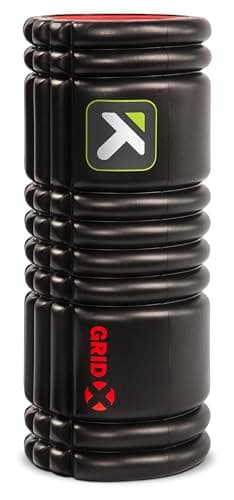
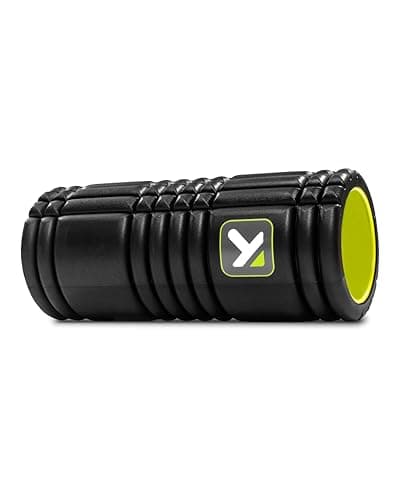
A 13-inch medium-density roller on a hollow core rated to 300 pounds, which TriggerPoint says suits both new and advanced users. Cons: 13 inches is short for rolling a whole back, and the 1-year warranty is brief for an object with no moving parts.
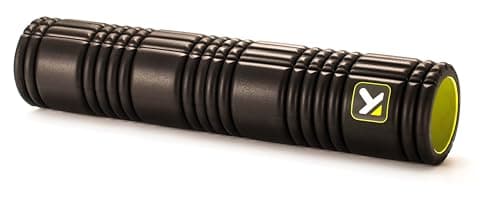
The same GRID surface and density on a 26-inch functional length, so your upper back or both quads fit at once. Cons: a 36-inch box to store, and it costs noticeably more for the same surface.
Best for one roller that does everything10KHALFMARATHON
TriggerPoint's firmest roller: same 13-inch size and GRID pattern in extra-firm EVA. Cons: genuinely uncomfortable for beginners, too firm for shins, and more expensive than the standard GRID for the same footprint.
Best when the standard roller stops workingHALFMARATHON
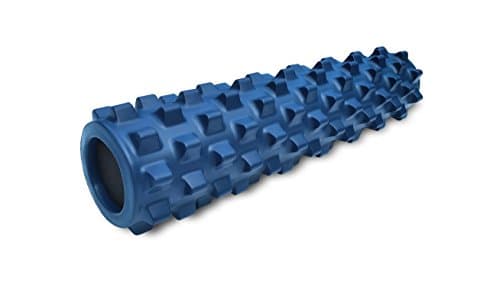
A solid high-density EVA core under molded, firm-but-flexible bumps, in 12, 22 and 31 inch lengths. Cons: unpleasant for the first few sessions, no published weight or bump height, and poor anywhere bone sits near the surface.
A 34W motor, three speeds and up to 2 hours of battery in a 13-inch, 2.7 lb roller. Cons: several times the price of plain foam, a motor that can fail, and no single Amazon listing, so our button runs a search.
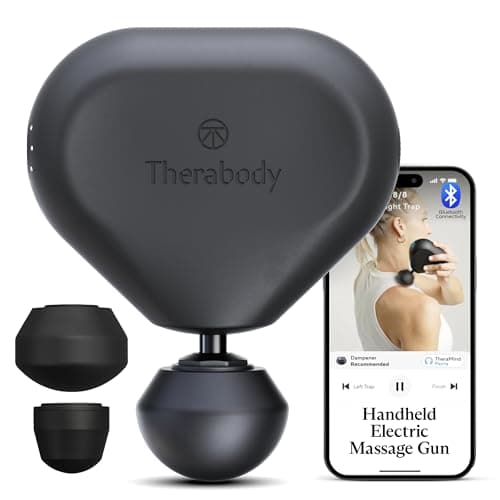
A percussive massager for one calf knot rather than a whole quad. Cons: it does a different job from a roller rather than a better one, and it costs far more than the rollers above.
#ad · Prices come live from Amazon, last checked October 26, 2026. Scores are ours, compiled from published specs and the maker's intended use. Some photos are stock. Tap a row for the full write-up.
Who this page is for
The best foam roller for most runners is the TriggerPoint GRID 1.0: a 13-inch, medium-density roller on a hollow core rated to 300 pounds, with a textured surface that is firm enough to do something and forgiving enough that you will keep using it. TriggerPoint describes it as suiting both new and advanced users, and for once that is not just copy — medium density is the right starting point and the place most runners should stop.
If you want one roller that handles your upper back as well as your legs, buy the longer GRID 2.0 instead. If you have owned a medium roller for a year and your calves no longer notice it, step up to the GRID X or the RumbleRoller Original. Those are the only three decisions on this page.
We rank for runners at every level, so the roller that covers the most situations sits at the top. The label on each pick tells you the job it is best at.
What foam rolling actually does
Before you spend anything, the honest version. The largest synthesis on this is Wiewelhove and colleagues' 2019 meta-analysis in Frontiers in Physiology, and its summary sentence is worth quoting directly: the effects of foam rolling on performance and recovery are “rather minor and partly negligible, but can be relevant in some cases.”
What they measured, as published:
Effect
Rolling before (warm-up)
Rolling after (recovery)
Muscle soreness / pain
—
+6.0% (g = 0.47)
Sprint performance
+0.7% (g = 0.28)
+3.1% (g = 0.34)
Flexibility
+4.0% (g = 0.34)
—
Strength performance
+1.8% (g = 0.12, negligible)
+3.9% (g = 0.21)
Jump performance
−1.9% (g = 0.09, negligible)
−0.2% (g = 0.06, trivial)
Read it this way: the single best-supported reason for a runner to own a roller is reducing muscle soreness after hard sessions — the largest effect in the table, at +6.0% with an effect size of 0.47. Rolling before a run has a small, real effect on flexibility and essentially none on strength or jumping. Nothing here says a roller will make you faster, prevent an injury or fix a tight IT band, and this page is not going to tell you otherwise.
What we ranked on
This site does not test gear, so every figure here is the maker's own published specification, linked on the spec that uses it. Four criteria, in this order:
Density. The one thing that changes the experience. Too soft and nothing happens; too firm and you stop using it. Medium is the right default, and the field here runs from medium to RumbleRoller's bumps.
Length. Decides what you can roll. Thirteen inches covers a calf or a quad; you need something over 20 inches to lie across your upper back or do both legs at once.
Build. A published weight capacity and a hollow ABS or solid EVA core is the difference between a roller that holds its shape for years and a cheap tube that goes oval in six months.
Whether you will actually use it. The best roller is the one that is out on the floor, not the one in a closet because it hurts too much or is too big to leave in a living room.
Price is a filter, not a criterion. The cheapest pick here costs a fraction of the most expensive, and the cheapest is also our overall winner. Check the current price on the card before you decide; we do not print numbers in the text that go stale a week after publication.
Density: how firm is firm enough?
Density is where almost everyone buying their first roller goes wrong, usually by assuming that firmer means more effective. It does not. The useful rule is that you should be able to stay on a spot for 30 seconds and breathe normally. If you are holding your breath, the roller is too firm for you today, and the session you skip tomorrow costs you more than the extra firmness gained.
Here is the field, from most forgiving to least:
Roller
Density / surface
Length
Core
TriggerPoint GRID 1.0
Medium, multi-density GRID pattern
13 in
Hollow, to 300 lb
TriggerPoint GRID 2.0
Medium, same GRID pattern
26 in functional
Hollow ABS, to 300 lb
Hyperice Vyper 3
Firm, smooth, with 3 vibration speeds
13 in
Not published
TriggerPoint GRID X
Extra-firm EVA, same GRID pattern
13.11 in
Hollow ABS/EVA, to 300 lb
RumbleRoller Original
Firm molded bumps over high-density EVA
12 / 22 / 31 in
Solid EVA
Note what RumbleRoller itself says about the step above the Original: the Xtra Firm uses denser material with the same geometry, and the company calls it “not a starting point.” When a brand tells you its most intense product is not for you, believe it.
Length: 12, 13, 22 or 31 inches?
Length is the spec people ignore and then regret. A 13-inch roller is a leg tool: it does calves, quads, hamstrings and glutes well, and it fits in a gym bag. It does not let you lie lengthwise along your spine, and it means rolling one leg at a time.
12 to 13 inches — the default. Travels, stores under a sofa, handles everything below the hip. The GRID 1.0, GRID X and Vyper 3 all sit here.
22 to 26 inches — the sweet spot if you want one roller for legs and back. The GRID 2.0 gives 26 inches of functional length; RumbleRoller's Mid Size is 22.
31 inches — RumbleRoller's Full Size. Genuinely useful for thoracic work and stretching across, genuinely annoying to store.
If you are buying one roller and have space, the longer one is the better buy. If you travel for races or your apartment is small, the 13-inch is the one that gets used.
Is a vibrating roller worth it?
Honest answer: the meta-analysis above did not isolate vibration, so we cannot point you at a number that says vibrating rollers work better. What they plausibly do is make a given amount of pressure easier to tolerate, which matters because tolerance is what decides whether you finish the session or get off after 40 seconds.
The Hyperice Vyper 3 is the one here: a 34W motor, three speeds, up to two hours of battery and 2.7 lb in a 13-inch body, with a contoured profile designed to keep pressure off the spine. It costs several times what a plain roller does, it has a motor that can fail, and Hyperice does not publish a charge time. Buy a plain roller first and find out whether you actually use it. If after six months the answer is yes and the reason you skip sessions is that they are unpleasant, the Vyper is a defensible upgrade.
The Theragun Mini is on this page for a different reason: it is not a roller substitute. A roller treats a whole muscle with your bodyweight; a percussive massager treats one spot with its own pressure. If your problem is a single reliable knot in one calf, the Mini is the better tool. If your problem is “my legs are wrecked after the long run,” the roller is.
How to roll without wasting your time
Roll after, not before, if soreness is the goal. That is where the meta-analysis found the largest effect — +6.0% on muscle soreness for post-exercise rolling. Pre-run rolling helps flexibility a little and performance essentially not at all.
Slow down. Fast rolling up and down a quad feels productive and does little. Find the spot that complains and stay there while you breathe.
Use less bodyweight when it is too much. Put a hand or the opposite foot on the floor to take load off. This is how you make a firm roller usable rather than buying a softer one.
Stay off the IT band itself. Roll the muscles either side of it — the glutes above and the quad and hamstring around it. Rolling a taut band of connective tissue over bone is painful and does not lengthen it.
Keep it to a few minutes. The effect sizes above came from short sessions, not from thirty minutes on the living room floor.
Leave it where you will trip over it. The single biggest predictor of whether a roller gets used is whether it is visible.
What to buy at each level
This site picks gear by pace and weekly mileage rather than by category, so here is the short version.
Couch to 5K. The NHS Couch to 5K plan is nine weeks of run/walk intervals three times a week, and new-runner soreness is mostly your legs adapting rather than anything a roller fixes. If you want one, buy the GRID 1.0 and spend the rest on shoes. Our Couch to 5K gear checklist covers what is actually worth having first.
First 10K. The GRID 1.0. One faster session a week is where post-run soreness starts being a regular thing rather than an occasional one.
Half marathon. The GRID 2.0 if you have room for it. Long runs load your whole chain, and a roller you can lie across does your upper back as well as your legs.
Marathon.Hal Higdon's Novice 1 Marathon runs 18 weeks to a 20-mile long run, and that is enough accumulated load that a firmer roller starts making sense. The GRID X or the RumbleRoller Original, alongside the shoes in our best marathon training shoes rotation.
A 13-inch medium-density roller on a hollow core rated to 300 pounds, which TriggerPoint says suits both new and advanced users. Cons: 13 inches is short for rolling a whole back, and the 1-year warranty is brief for an object with no moving parts.
#ad · Price as of October 26, 2026 · Affiliate disclosure for the link to TriggerPoint GRID 1.0 Foam Roller
2
Best for one roller that does everything
TriggerPoint GRID 2.0 Foam Roller
C25K10KHALFMARATHON
8.3 /10
The same GRID surface and density on a 26-inch functional length, so your upper back or both quads fit at once. Cons: a 36-inch box to store, and it costs noticeably more for the same surface.
#ad · Price as of October 26, 2026 · Affiliate disclosure for the link to TriggerPoint GRID 2.0 Foam Roller
3
Best when the standard roller stops working
TriggerPoint GRID X Foam Roller
C25K10KHALFMARATHON
7.6 /10
TriggerPoint's firmest roller: same 13-inch size and GRID pattern in extra-firm EVA. Cons: genuinely uncomfortable for beginners, too firm for shins, and more expensive than the standard GRID for the same footprint.
#ad · Price as of October 26, 2026 · Affiliate disclosure for the link to TriggerPoint GRID X Foam Roller
4
Most aggressive
RumbleRoller Original Foam Roller
C25K10KHALFMARATHON
7.6 /10
A solid high-density EVA core under molded, firm-but-flexible bumps, in 12, 22 and 31 inch lengths. Cons: unpleasant for the first few sessions, no published weight or bump height, and poor anywhere bone sits near the surface.
#ad · Price as of October 26, 2026 · Affiliate disclosure for the link to RumbleRoller Original Foam Roller
5
Stock photo
Best vibrating roller
Hyperice Vyper 3
C25K10KHALFMARATHON
8.0 /10
A 34W motor, three speeds and up to 2 hours of battery in a 13-inch, 2.7 lb roller. Cons: several times the price of plain foam, a motor that can fail, and no single Amazon listing, so our button runs a search.
#ad · Price as of October 26, 2026 · Affiliate disclosure for the link to Hyperice Vyper 3
6
If you want targeted, not broad
Therabody Theragun Mini (3rd Gen)
C25K10KHALFMARATHON
8.4 /10
A percussive massager for one calf knot rather than a whole quad. Cons: it does a different job from a roller rather than a better one, and it costs far more than the rollers above.
#ad · Price as of October 26, 2026 · Affiliate disclosure for the link to Therabody Theragun Mini (3rd Gen)
Common mistakes
Buying the firmest roller first. Firmer is not more effective, it is just less tolerable. RumbleRoller says outright that its Xtra Firm is not a starting point. Start medium and move up only when medium genuinely stops registering.
Expecting a roller to fix an injury. The best-supported effect in the research is a 6% reduction in muscle soreness. That is worth having and it is not a treatment.
Rolling the IT band directly. Painful, popular and not supported. Work the glutes, quad and hamstring around it instead.
Buying a 13-inch roller for back work. You need 22 inches or more to lie along. Check the length against what you actually intend to roll.
Buying a hollow roller with no published weight capacity. The cheap ones go oval. Every TriggerPoint here publishes a 300-pound rating; that number is the one worth checking on any roller.
Buying the motorized one first. Spend the small money, find out whether you are a person who rolls, and upgrade only if the answer is yes.
Looking after it
Wipe it down with mild soap and water. TriggerPoint's EVA surfaces are water- and sweat-resistant and clean that way; harsh cleaners degrade foam.
Keep it out of direct sun and hot cars. Heat is what makes EVA go soft and lose its shape.
Do not store anything heavy on top of a hollow-core roller. The 300-pound rating is for rolling load, not for a stack of boxes in a closet.
Charge a vibrating roller after use, not before. A flat battery at the moment you want it is how motorized recovery tools end up in drawers.
How we chose these
Researched, compared, scored for your level
We start from what a published training plan actually asks of a runner at your level, compare every model's published specs (stack height, drop, weight, plate, stability features, widths) against that job, and score each pick on a public rubric. Each spec links to where it came from, so you can shortlist in minutes and buy with the numbers in front of you.
What is the best foam roller for runners to buy first?+
The TriggerPoint GRID 1.0: 13 inches, medium density, a hollow core rated to 300 pounds, and a textured surface firm enough to do something without being punishing. TriggerPoint states it suits both new and advanced users. Buy a longer GRID 2.0 instead only if you specifically want to roll your upper back.
Does foam rolling actually work?+
For soreness, modestly and measurably. The 2019 meta-analysis in Frontiers in Physiology found a +6.0% effect on muscle soreness from post-exercise rolling (g = 0.47) and a +4.0% effect on flexibility from pre-exercise rolling (g = 0.34), while concluding overall that the effects “are rather minor and partly negligible, but can be relevant in some cases.” It will not make you faster or prevent an injury.
Should I foam roll before or after a run?+
After, if what you want is less soreness — that is where the largest measured effect is. Before, if what you want is a small flexibility gain going into a session. Rolling before had essentially no effect on strength (g = 0.12) or jumping (g = 0.09) in the same analysis.
How firm should a foam roller be?+
Firm enough that you feel it, soft enough that you can stay on a spot for 30 seconds and breathe normally. Medium density suits almost everyone starting out. Move up to something like the GRID X or the RumbleRoller Original only when a medium roller genuinely stops registering, which for most runners takes a year or more.
Is a vibrating foam roller better than a regular one?+
No study on this page isolates vibration, so we cannot tell you it works better. What it plausibly does is make the same pressure easier to tolerate, which affects whether you finish the session. At several times the price of plain foam, with a motor that can fail, it is an upgrade rather than a first purchase.
Can I foam roll my IT band?+
You can, and most people should not. The IT band is a taut band of connective tissue running over bone; rolling it directly is painful and does not lengthen it. Work the glutes above it and the quad and hamstring around it instead. If the outside of your knee hurts while you run, see a clinician rather than rolling harder.
What length foam roller do I need?+
Thirteen inches handles everything below the hip and fits in a bag. Twenty-two inches or more lets you lie lengthwise for your upper back and roll both legs at once. The GRID 2.0 gives 26 inches of functional length; RumbleRoller sells 12, 22 and 31 inch versions.
Is a massage gun better than a foam roller?+
Different tool, not a better one. A roller uses your bodyweight across a whole muscle; a percussive massager like the Theragun Mini applies its own pressure to one spot. A single stubborn calf knot is a massage-gun job. Whole legs after a long run is a roller job.
Every figure above is traceable. Specs come from the maker's own pages or the named reviewer's published measurements (linked above); level definitions come from published training plans; prices come from Amazon's own API and carry the date they were checked, so you buy on a current number. Read the full method.