In heat, the shoe spec that matters is the upper. An engineered mesh that moves air keeps your foot drier, and a drier foot is a foot that does not blister. Seven shoes ranked on breathability and weight, and the honest note that your socks matter more.
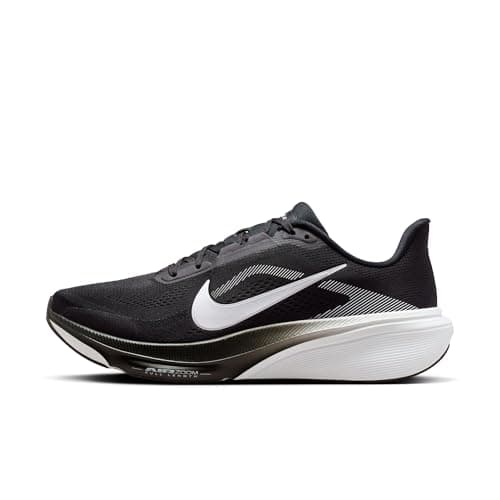
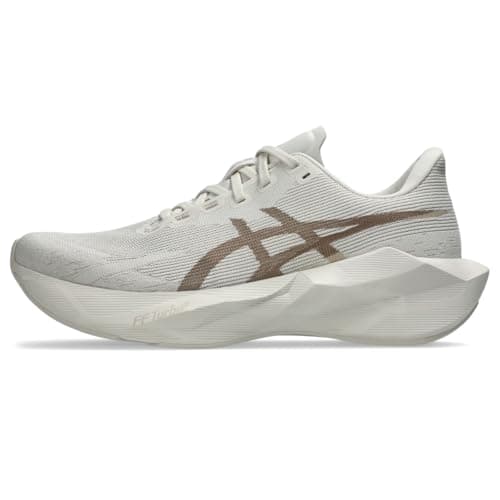
A light, open engineered mesh on a bouncy platform at 8.74 oz in RTINGS' lab — the combination of a thin upper and low weight is exactly what a summer shoe wants.
A light, open engineered mesh on a bouncy platform at 8.74 oz in RTINGS' lab — the combination of a thin upper and low weight is exactly what a summer shoe wants. Good to know: a tall 41.9 mm heel is a lot of shoe if you prefer feeling the ground.
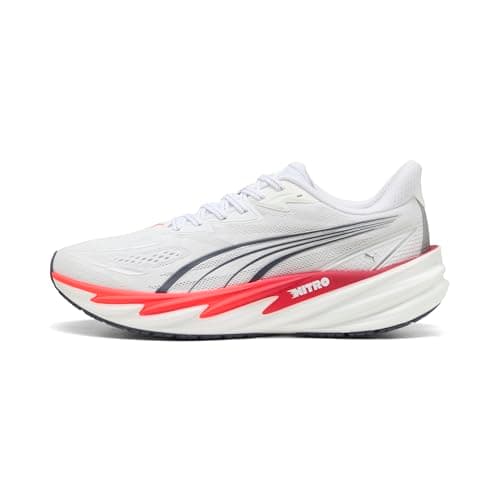
Nike's perennial daily trainer, with a lightweight mesh upper and a shape most runners already know. Good to know: RTINGS measured 4.6 for energy return, so it is a steady shoe rather than a lively one.
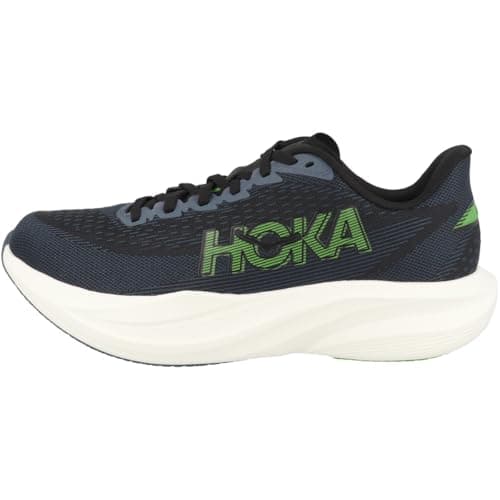
HOKA's light daily trainer: creel jacquard mesh and a low weight, which is the pairing that keeps feet cooler on long summer runs. Good to know: less upper structure means less hold for wide feet.
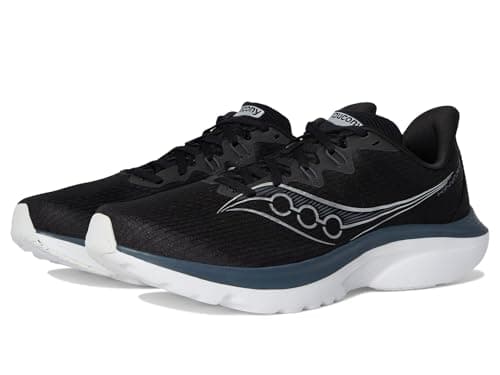
The Kinvara has always been the minimal, airy option in Saucony's line, and the 16 keeps the thin upper and low weight. Good to know: cushioning is modest, so it is not the shoe for a 20-mile long run.
Not the airiest upper on this page, but a soft, forgiving one in four widths per gender — the sensible choice if you are not buying a summer-specific shoe. Good to know: it runs warmer than the Novablast or the Kinvara.
Best if you want one shoe all yearC25K10KHALFMARATHON
#ad · Prices come live from Amazon, last checked November 13, 2026. Scores are ours, compiled from published specs and the maker's intended use. Product photos come from Amazon. Tap a row for the full write-up.
The short answer
The ASICS Novablast 6 is the best running shoe for hot weather on this site: an open, lightweight engineered mesh upper on a shoe RTINGS weighed at 8.74 oz. Light and airy is the whole specification — heat is a drainage and airflow problem, not a cushioning one.
One honest caveat before you buy: in real heat your socks do more for your feet than your shoes do, and they cost a tenth as much. If you only change one thing, change those.
What actually keeps feet cool
Upper openness. A thin, single-layer engineered mesh with few welded overlays moves air. A knit upper with a plastic cage over it does not, no matter what the marketing says about ventilation.
Weight. A lighter shoe means less material holding heat and less work for your legs when your heart rate is already elevated by the temperature.
Drainage. Any shoe gets wet in summer, from sweat if not from rain. An open mesh lets water out; a padded, lined upper holds it against your skin.
What is NOT on this list: waterproofing. A GORE-TEX upper is the single worst thing you can put on a foot in summer. It keeps water out and sweat in.
Note what is missing: cushioning, drop, stack height. Those decide whether a shoe suits your running — they have nothing to do with heat. Pick the shoe that fits your training from running shoes by pace and mileage, then prefer the airier upper within that category.
Your socks matter more
This is the part most hot-weather shoe pages skip. A cotton sock in 90°F holds sweat against the skin, and wet skin plus friction is precisely how a blister forms. A thin synthetic or merino running sock moves that moisture out. The shoe can only help if what is inside it is not already soaked.
The shoe is the least important thing about a hot run. The Road Runners Club of America publishes hot-weather guidance worth reading in full; the parts runners most often ignore are running at the cooler ends of the day, slowing down rather than holding goal pace, and giving yourself one to two weeks to acclimatise rather than expecting the first hot week to feel normal.
On sun: the American Academy of Dermatology recommends broad-spectrum SPF 30 or higher, reapplied roughly every two hours and after heavy sweating — which for a long summer run means carrying it or planning a loop past the car.
A light, open engineered mesh on a bouncy platform at 8.74 oz in RTINGS' lab — the combination of a thin upper and low weight is exactly what a summer shoe wants. Good to know: a tall 41.9 mm heel is a lot of shoe if you prefer feeling the ground.
#ad · Price as of November 13, 2026 · Affiliate disclosure for the link to ASICS Novablast 6
2
Most familiar summer trainer
Nike Pegasus 42
C25K10KHALFMARATHON
9.2 /10
Nike's perennial daily trainer, with a lightweight mesh upper and a shape most runners already know. Good to know: RTINGS measured 4.6 for energy return, so it is a steady shoe rather than a lively one.
#ad · Price as of November 13, 2026 · Sold on Amazon through third-party sellers · Affiliate disclosure for the link to Nike Pegasus 42
3
Lightest cushioned option
HOKA Mach 7
C25K10KHALFMARATHON
9.3 /10
HOKA's light daily trainer: creel jacquard mesh and a low weight, which is the pairing that keeps feet cooler on long summer runs. Good to know: less upper structure means less hold for wide feet.
#ad · Price as of November 13, 2026 · Sold on Amazon through third-party sellers · Affiliate disclosure for the link to HOKA Mach 7
4
Thinnest upper here
Saucony Kinvara 16
C25K10KHALFMARATHON
8.8 /10
The Kinvara has always been the minimal, airy option in Saucony's line, and the 16 keeps the thin upper and low weight. Good to know: cushioning is modest, so it is not the shoe for a 20-mile long run.
#ad · Price as of November 13, 2026 · Affiliate disclosure for the link to PUMA Velocity Nitro 5
6
Best if you want one shoe all year
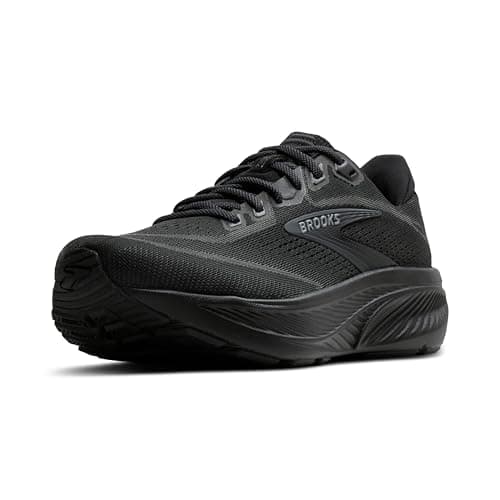
Brooks Ghost 18
C25K10KHALFMARATHON
9.3 /10
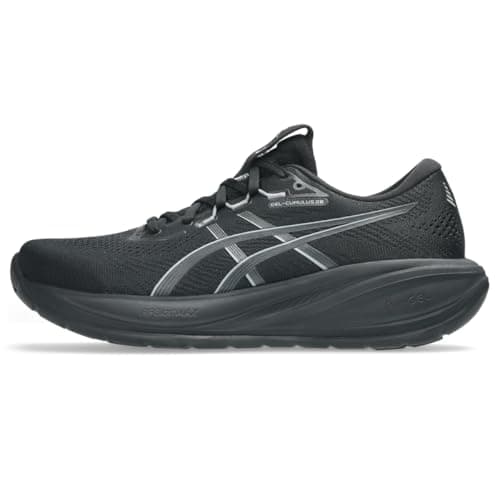
Not the airiest upper on this page, but a soft, forgiving one in four widths per gender — the sensible choice if you are not buying a summer-specific shoe. Good to know: it runs warmer than the Novablast or the Kinvara.
#ad · Price as of November 13, 2026 · Affiliate disclosure for the link to ASICS Gel-Cumulus 28
The short answer, again
Our recommendation
If you only take one thing from this page, take the first of these two.
Buy this one
ASICS Novablast 6
Best overall for heat
9.5 /10
A light, open engineered mesh on a bouncy platform at 8.74 oz in RTINGS' lab — the combination of a thin upper and low weight is exactly what a summer shoe wants.
#ad · Price as of November 13, 2026 · Sold on Amazon through third-party sellers · Affiliate disclosure for the link to Nike Pegasus 42
How we chose these
Researched, compared, scored for your level
We start from what a published training plan actually asks of a runner at your level, compare every model's published specs (stack height, drop, weight, plate, stability features, widths) against that job, and score each pick on a public rubric. Each spec links to where it came from, so you can shortlist in minutes and buy with the numbers in front of you.
The ASICS Novablast 6 leads here: an open, lightweight engineered mesh upper on a shoe RTINGS weighed at 8.74 oz. The Saucony Kinvara 16 has the thinnest upper on the page and the HOKA Mach 7 is the lightest cushioned option.
Do breathable running shoes actually make a difference in heat?+
Some, by letting sweat evaporate and letting water drain. But a thin synthetic or merino sock makes more difference to how your feet feel on a hot run than the shoe does, and costs a fraction as much. Fix the socks first.
Should I size up for hot weather running?+
Feet do swell in heat and over long runs, which is why running shoes are generally fitted with about a thumb's width at the end. If you are already fitted properly you do not need a summer-specific size — see what size running shoes should I get.
Are waterproof running shoes good for summer?+
No — they are the worst choice. A waterproof membrane keeps rain out and sweat in, so your foot ends up wet anyway and far hotter. Save them for winter, where the trade actually works.
How do I stop my feet blistering in summer?+
Thin synthetic or merino socks, a properly fitted shoe, and an anti-chafe balm on any spot that has blistered before. Wet skin plus friction is the mechanism, so the aim is keeping the foot dry rather than padding it.
Every figure above is traceable. Specs come from the maker's own pages or the named reviewer's published measurements (linked above); level definitions come from published training plans; prices come from Amazon's own API and carry the date they were checked, so you buy on a current number. Read the full method.