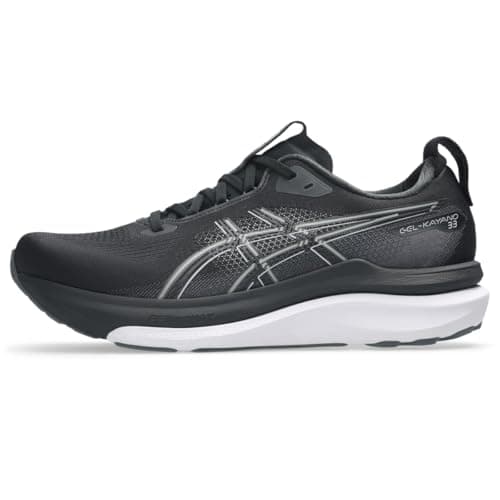
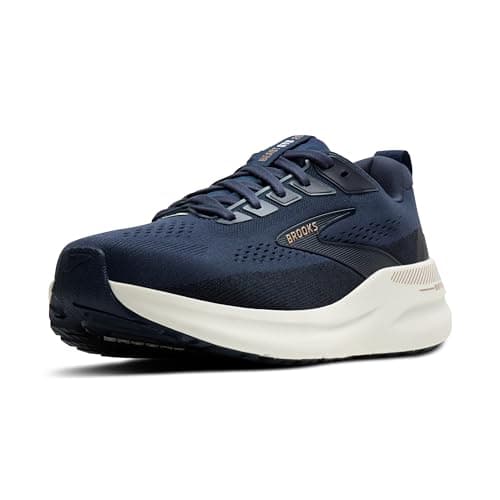
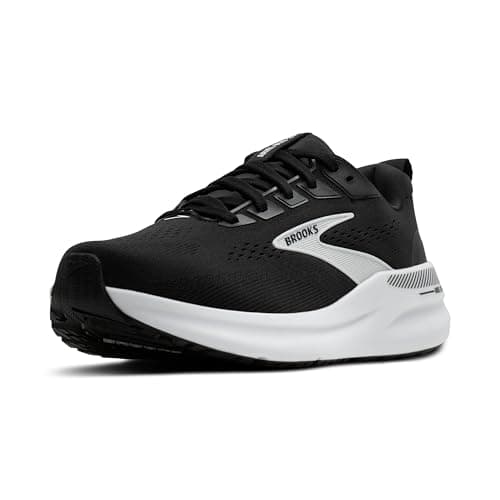
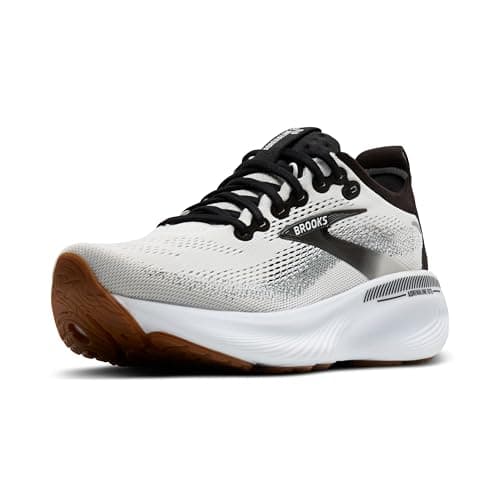
Stability shoes guide the foot with sidewalls and foam. Motion control shoes were built to stop it, with hard medial posts and heavy construction. One of those categories is still being made; the other has quietly been retired, and the reason is worth knowing before you go looking for it.
GuideRails: raised foam either side of the heel that limits excess movement, in four widths for each gender. Good to know: 10.6 oz and a 10 mm drop, which is a lot of shoe for faster running.
Brooks' maximum-support men's shoe, carrying the same GuideRails idea in a bigger, firmer, wider build. Good to know: it is heavy, and the extra structure is wasted if you do not actually want it.
#ad · Price as of November 13, 2026 · Affiliate disclosure for the link to Brooks Ariel GTS 26
The short answer
These were once two rungs of the same ladder: neutral, then stability, then motion control for the runners who were judged to need the most correction. The top rung has effectively gone. If you walk into a running store today and ask for a motion control shoe, you will be handed a maximum-support stability shoe, and that is the right answer rather than a fudge.
What each category means
Stability
Motion control (as it was)
How it works
Guided sidewalls, a frame or firmer medial foam that limits excess movement
A hard medial post, a rigid heel counter and a stiff platform that physically blocks roll
Feel
Mostly like a cushioned trainer until your foot moves off-line
Firm and corrective from the first step
Weight
Typically 9–11 oz
Heavier again, often noticeably so
Still sold?
Yes, by every major brand
Not as a named category by most brands
The practical difference is intent. A stability shoe is designed to be unobtrusive and to do something only when your foot asks it to. A motion control shoe was designed to impose a shape on the stride from the moment you put it on.
Why motion control disappeared
Three things happened at once.
The evidence stopped supporting it. The rationale for motion control rested on the idea that excess pronation causes injury and that blocking it prevents injury. The research did not hold up (see below).
Foam got better. Brands worked out they could achieve guidance with midsole geometry and dual-density foam, without the weight of a plastic post. GuideRails arrived in 2017 and the rest of the industry followed the idea.
Runners stopped buying them. A heavy, firm, corrective shoe is an unpleasant thing to run in if you do not need it, and most people did not.
What survives is the maximum-support shoe: still bigger and firmer than a standard stability trainer, still made in wide widths for runners who want the most structure available, but built on sidewalls rather than posts. Brooks keeps the Beast and the Ariel in the line for exactly that buyer.
What the evidence says
The clearest single study is Nielsen and colleagues in the British Journal of Sports Medicine (2014): 927 novice runners, 1,854 feet classified by Foot Posture Index, all of them put in the same neutral shoe and tracked by GPS for a year. Across 326,803 km, no foot posture showed a significantly different injury risk from neutral — and pronators actually recorded fewer injuries per 1,000 km (−0.37, −0.03 to −0.70, p=0.03).
That does not mean support shoes are useless. It means the mechanism they were sold on — correct the pronation, prevent the injury — is not supported, and that comfort is the better reason to choose one. The American Academy of Orthopaedic Surgeons makes the same practical point: fit and comfort first.
Which one you need
Most runners: a standard stability shoe, or honestly a neutral one. Start with the Adrenaline GTS 25 or the Kayano 33, and read neutral vs stability running shoes if you are not sure you need either.
You want the most structure available — because you are a heavier runner, because you have run in maximum-support shoes for years, or because your feet spread a long way under load: the Beast GTS 26 or Ariel GTS 26. Our running shoes for heavy runners page covers that case in full.
Whichever way you go, width matters more than the category label — a support shoe in the wrong width supports nothing. What shoe width letters mean decodes the sizing.
In detail
The contenders, in full
The stability shoe
Brooks Adrenaline GTS 25
C25K10KHALFMARATHON
9.4 /10
GuideRails: raised foam either side of the heel that limits excess movement, in four widths for each gender. Good to know: 10.6 oz and a 10 mm drop, which is a lot of shoe for faster running.
+Brooks pitches it both as a daily driver in a training rotation and as a safe go-to for runners just starting out, and lists walking as a use
+Four widths in each gender, from Narrow to Extra Wide (4E men's, 2E women's)
+GuideRails support system, which Brooks says helps keep excess movement in check, paired with more nitrogen-infused cushioning in the heel and forefoot than before
+RunRepeat's lab measured a 36.1 mm heel and 25.9 mm forefoot: solid cushion without a towering stack
Good to know
Choose something else if you want a light, bouncy shoe for tempo days; this is a steady 10.6 oz support trainer built for everyday miles.
#ad · Price as of November 13, 2026 · Affiliate disclosure for the link to ASICS Gel-Kayano 33
What motion control became
Brooks Beast GTS 26
C25K10KHALFMARATHON
9.0 /10
Brooks' maximum-support men's shoe, carrying the same GuideRails idea in a bigger, firmer, wider build. Good to know: it is heavy, and the extra structure is wasted if you do not actually want it.
#ad · Price as of November 13, 2026 · Affiliate disclosure for the link to Brooks Ariel GTS 26
How we chose these
Researched, compared, scored for your level
We start from what a published training plan actually asks of a runner at your level, compare every model's published specs (stack height, drop, weight, plate, stability features, widths) against that job, and score each pick on a public rubric. Each spec links to where it came from, so you can shortlist in minutes and buy with the numbers in front of you.
What is the difference between stability and motion control shoes?+
Stability shoes guide the foot with raised sidewalls, a frame or firmer medial foam, and mostly feel like a cushioned trainer. Motion control shoes used a hard medial post and a rigid platform to physically block inward roll, and felt corrective from the first step. Stability is still a live category; motion control has largely been retired as a named one.
Do motion control running shoes still exist?+
Not as a separate category at most brands. What replaced them is the maximum-support stability shoe — the Brooks Beast GTS 26 for men and the Ariel GTS 26 for women — which is bigger and firmer than a standard stability trainer but built on guided sidewalls rather than a hard post.
Why did brands stop making motion control shoes?+
The evidence behind the idea did not hold up, midsole foam and geometry got good enough to provide guidance without the weight of a plastic post, and runners did not enjoy running in them. All three happened over roughly the same decade.
Do I need motion control shoes if I overpronate?+
Almost certainly not. The largest study on the question put 927 novice runners in the same neutral shoe for a year and found no significant difference in injury risk by foot posture. A standard stability shoe, chosen because it feels good, is the sensible place to start.
Are stability shoes heavier than neutral shoes?+
Usually a little, though far less than motion control shoes were. Most current stability trainers land between 9 and 11 oz in a men's 9, which overlaps heavily with neutral daily trainers.
Every figure above is traceable. Specs come from the maker's own pages or the named reviewer's published measurements (linked above); level definitions come from published training plans; prices come from Amazon's own API and carry the date they were checked, so you buy on a current number. Read the full method.