Brooks Ghost vs Glycerin: Ghost 18 or Glycerin 23?
Same brand, same neutral category, different jobs. RunRepeat measured both in one lab, and the numbers say the Glycerin is markedly softer with 4 mm more forefoot foam and a lower drop, while the Ghost is firmer, cheaper and more versatile. Here's how to tell which one your training actually needs.
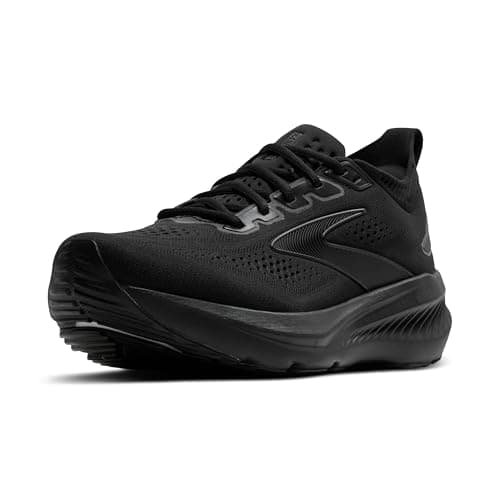
Firmer foam (40.5 AC in RunRepeat's lab against a 35.5 average), a 12.2 mm measured drop and four widths. RunRepeat recommends it for heel strikers and for one shoe that does everything, and faults it for feeling heavy and for a tapered toebox.
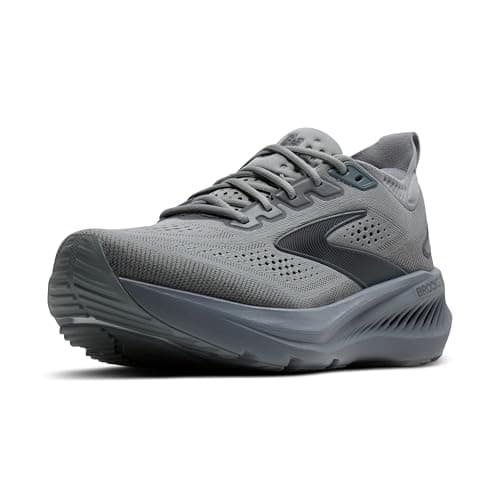
29.2 AC foam, 4 mm more forefoot stack and an 8.2 mm measured drop that RunRepeat calls more balanced for all footstrikes. The cons are real: 10.7 oz is heavy, energy return is below average, and it costs noticeably more than the Ghost.
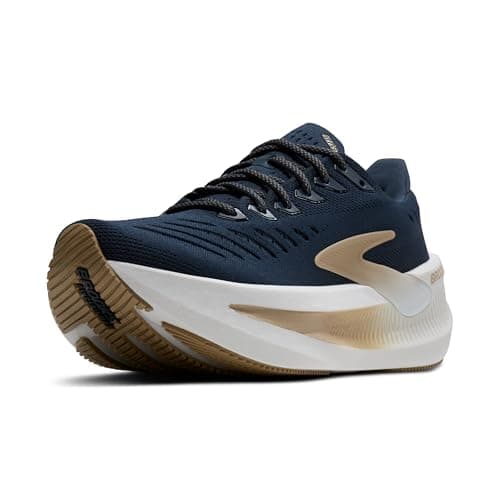
The same Plush cushion tier and 8 mm drop, plus GuideRails, in widths to 4E men's and 2E women's. At 11.0 oz (men's) it is the heaviest of the three, and Brooks lists no narrow width in either gender.
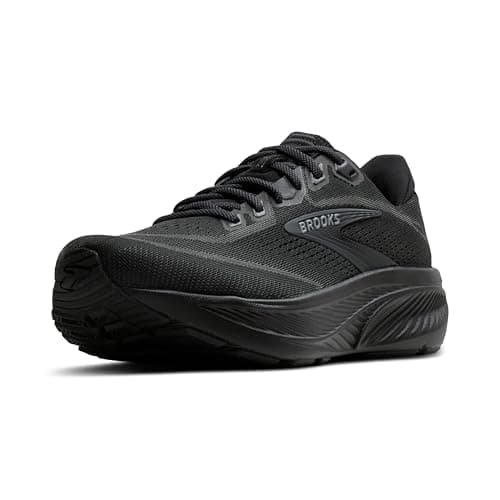
A 45.4 mm lab-measured heel and a GlideRoll rocker for half and marathon easy miles. It is the heaviest shoe here at 11.1 oz (men's 9), has no men's wide listed, and is far more shoe than a first-timer needs.
#ad · Price as of October 5, 2026 · Affiliate disclosure for the link to Brooks Glycerin Max 2
The short answer
Brooks sells these as two rungs of the same neutral ladder: the Ghost is the everyday trainer, the Glycerin is the plush one. That framing is accurate but it undersells how different they are to run in. The Glycerin is meaningfully softer, has a noticeably lower drop, carries more forefoot foam, and costs more. The Ghost is firmer, cheaper, available in more widths and slightly lighter.
If you are buying your first running shoes, the Ghost is the safer answer and our best running shoes for beginners page explains why. If you already run and your complaint is that easy days feel harsh underfoot, the Glycerin is the fix.
The same-lab numbers
Comparing shoes across different reviewers is mostly noise, because labs disagree. RunRepeat measured both of these, which makes this unusually clean. These are its figures, not ours — this site does not test shoes.
RunRepeat lab measurement
Ghost 18
Glycerin 23
Its average
Weight (men's)
10.2 oz (289 g)
10.7 oz (303 g)
9.2 oz
Heel stack
37.3 mm
37.2 mm
35.6 mm
Forefoot stack
25.1 mm
29.0 mm
27.1 mm
Measured drop
12.2 mm (10 mm listed)
8.2 mm (8 mm listed)
8.4 mm
Midsole softness (durometer)
40.5 AC — firmer than average
29.2 AC — softer than average
35.5 AC
Energy return (heel / forefoot)
52.4% / 58.1%
54.1% / 57.7%
61.5%
Outsole wear after test
0.8 mm
0.7 mm
1.1 mm
Toebox width
70.6 mm
73.9 mm
73.2 mm
Breathability
70 BR
67 BR
75 BR
Sources: RunRepeat's Ghost 18 review and its Glycerin 23 review. Note the heel stacks are within a tenth of a millimeter of each other. Everything that makes these shoes feel different happens in the foam, the forefoot and the drop — not in how tall the heel is.
Softness is the real difference
The durometer gap is the headline of this comparison. 40.5 AC against 29.2 AC is roughly a 28% difference in measured firmness, with the Ghost sitting on the firm side of RunRepeat's 35.5 AC average and the Glycerin well onto the soft side.
That is why reviewers describe the two so differently. Fleet Feet frames the Glycerin 23 around luxury and comfort, and RunRepeat lists “soft, easy ride” and “excellent comfort” among its strengths. For the Ghost 18, RunRepeat's own criticism is that it “needs foam upgrade” and recommends it to “long-time Ghost fans, heel strikers seeking dependable daily trainers, and casual runners wanting one versatile shoe for multiple uses.”
What that means in practice: the Ghost gives you more ground feel and a steadier platform, and the Glycerin takes more of the road out of your legs on an easy hour. Soft is not automatically better. A softer midsole is a little less stable and a little slower to respond, which is exactly the trade the numbers above describe.
Neither shoe is bouncy. Both returned below RunRepeat's 61.5% average energy, and RunRepeat flags “lacks energy return” as a Glycerin 23 con outright. If a lively, propulsive ride is what you are after, look at our best tempo running shoes instead of either of these.
Drop and forefoot: 12.2 mm vs 8.2 mm
Both shoes list a drop that their lab measurement disagrees with, and in the Ghost's case the gap is large: Brooks lists 10 mm, RunRepeat measured 12.2 mm. The Glycerin lists 8 mm and measured 8.2 mm, which is as close as these things get.
So the real-world difference between the two is about 4 mm of drop, which RunRepeat reads as making the Glycerin 23 “more balanced for all footstrikes rather than mainly focused on heel strikers.” That is the single most useful sentence for choosing between them:
Heel striker, or coming from everyday sneakers: the Ghost's taller drop is familiar and comfortable, and RunRepeat rates it “excellent for heel strikers.”
Midfoot or forefoot striker: the Glycerin's 8 mm drop and 29.0 mm forefoot give you more foam where you actually land. That is 4 mm more forefoot stack than the Ghost.
You tried an older Glycerin and found the drop too high: RunRepeat specifically notes the 23 appeals to runners who avoided previous versions because of the higher drop.
If any of that vocabulary is new, heel drop and stack height explained covers what the numbers do and do not predict, including why brand-listed drops and lab-measured drops disagree so often.
Figures as published by the maker or the named reviewer; each value links to its source. A dash means the figure isn't in our cited sources.
The Ghost's weight row here is RTINGS' lab figure (9.99 oz) rather than RunRepeat's 10.2 oz, which is why we lead with the same-lab table above. Labs disagree at the margins; the ranking between these two shoes does not change either way. A dash means that figure is not published in the source we cite for that shoe, and we would rather show a gap than fill it with an estimate.
Weight and price
On weight, the Ghost wins by about half an ounce in RunRepeat's lab — but both are heavy. RunRepeat calls the Ghost 18 “noticeably heavy by today's standards” at 10.2 oz and lists “heavy compared to most rivals” as a Glycerin 23 con at 10.7 oz, against a 9.2 oz average. If weight is your deciding factor, neither of these is the shoe and the daily trainer roundup has lighter options.
On price, the Glycerin sits a clear tier above the Ghost in Brooks' lineup and prices accordingly — RunRepeat lists a “price bump” among its cons, and separately faults it for a missing gusseted tongue at that price. We do not print fixed prices in our prose because they move; the buy buttons on this page carry the current Amazon number for the exact listing they link to, so compare them there. As a rough guide, the gap between the two is usually enough to buy a decent pair of running socks and have change.
If the Glycerin is what you want but the price is the obstacle, the honest advice is to buy the Ghost and keep the difference — the Ghost is a genuinely good shoe, not a compromise. Our best running shoes under $150 page is where most of the market, including the Ghost, actually sits.
Fit, widths and toebox
This is the area where the two shoes diverge most quietly, and it matters more than most buyers expect.
Toebox. RunRepeat measured the Ghost's at 70.6 mm, about 2.6 mm narrower than typical, and lists “tapered toebox” as a weakness — a long-running Ghost trait. The Glycerin 23 measured 73.9 mm, slightly above its 73.2 mm average.
Widths. The Ghost 18 is offered in Narrow, Medium, Wide and Extra Wide, one of the broadest fit ranges on the site. The Glycerin 23 is standard, wide and extra wide — no narrow.
Upper. RunRepeat credits the Glycerin with a “premium knit upper with great build quality,” “excellent heel lockdown” and an “improved fit,” but faults both shoes for a non-gusseted tongue.
Breathability. Both sit under RunRepeat's 75 BR average: 70 BR for the Ghost, 67 BR for the Glycerin. If you run hot, neither is a summer specialist and the Glycerin is marginally the warmer of the two.
Both are excellent and functionally tied. In RunRepeat's outsole wear test the Ghost 18 lost 0.8 mm and the Glycerin 23 lost 0.7 mm, against a 1.1 mm average. RunRepeat lists “rock-solid outsole durability” for the Ghost and “strong durability from top to bottom” for the Glycerin.
Outsole wear is not the same as midsole life, which is what usually ends a shoe's useful life. Our when to replace running shoes page covers the wear signs that actually matter. The practical note for this pair: a softer midsole like the Glycerin's has more to lose as it compresses, so track it by feel rather than by mileage alone.
Level by level
Couch to 5K. The Ghost 18. The NHS Couch to 5K plan is nine weeks of run/walk sessions under 30 minutes, which does not demand plush foam, and the Ghost's four widths and lower price make it the lower-risk first pair. The Glycerin is not wrong here, just more shoe and more money than the plan asks for.
10K. Either, and the deciding factor is your footstrike. Heel striker: Ghost. Midfoot: Glycerin. See best running shoes for 5K and 10K for the wider field at this distance.
Half marathon. The Glycerin 23 starts to pull ahead. Hal Higdon's Novice 1 Half Marathon builds the long run to 10 miles, which is where 4 mm more forefoot foam is worth carrying half an ounce for. Our best half marathon shoes page has the full field.
Marathon. The Glycerin 23 for easy and long miles, with something lighter for your faster days — see marathon training mileage and shoe rotation. The Ghost still works as the second pair that takes the short easy days.
Can you own both?
You can, but it is not the rotation we would build first. These two shoes do the same job at two levels of softness; a more useful second pair is something that does a different job. The running shoe rotation guide lays out the standard two-shoe build — a daily trainer plus something quicker — and daily trainer vs tempo shoe explains the split.
Where owning both does make sense: higher mileage. If you are running six days a week, having a firmer shoe for short easy days and a softer one for the long run is a reasonable use of two pairs, and alternating gives each midsole time to decompress.
The two Glycerin variants worth knowing
Brooks sells the Glycerin in three forms, and the names are confusing enough to be worth untangling.
Glycerin 23 — the neutral one. No support elements, 8 mm drop, 37.2 mm heel.
Glycerin GTS 23 — the same shoe with GuideRails support added. Brooks rates its cushion “Plush,” keeps the 8 mm drop, and offers widths up to 4E men's and 2E women's. At 11.0 oz (men's) it is heavier again. If you have been advised to wear support, this is the Glycerin to buy — and neutral vs stability running shoes explains how to tell whether you need it.
Glycerin Max 2 — a different shoe wearing the family name. A 45.4 mm lab-measured heel, a GlideRoll rocker and 11.1 oz (men's 9). It belongs in the max-cushion conversation, not this one.
The Ghost has its own second variant, the Ghost Max 4, which we cover in Brooks Ghost vs Adrenaline alongside the support question.
In detail
The contenders, in full
The firmer, cheaper default
Brooks Ghost 18
C25K10KHALFMARATHON
8.0 /10
Firmer foam (40.5 AC in RunRepeat's lab against a 35.5 average), a 12.2 mm measured drop and four widths. RunRepeat recommends it for heel strikers and for one shoe that does everything, and faults it for feeling heavy and for a tapered toebox.
#ad · Price as of October 5, 2026 · Affiliate disclosure for the link to Brooks Ghost 18
The softer, plusher one
Brooks Glycerin 23
C25K10KHALFMARATHON
7.7 /10
29.2 AC foam, 4 mm more forefoot stack and an 8.2 mm measured drop that RunRepeat calls more balanced for all footstrikes. The cons are real: 10.7 oz is heavy, energy return is below average, and it costs noticeably more than the Ghost.
#ad · Price as of October 5, 2026 · Affiliate disclosure for the link to Brooks Glycerin 23
The Glycerin with support
Brooks Glycerin GTS 23
C25K10KHALFMARATHON
8.0 /10
The same Plush cushion tier and 8 mm drop, plus GuideRails, in widths to 4E men's and 2E women's. At 11.0 oz (men's) it is the heaviest of the three, and Brooks lists no narrow width in either gender.
#ad · Price as of October 5, 2026 · Affiliate disclosure for the link to Brooks Glycerin GTS 23
If you want much more foam
Brooks Glycerin Max 2
C25K10KHALFMARATHON
7.0 /10
A 45.4 mm lab-measured heel and a GlideRoll rocker for half and marathon easy miles. It is the heaviest shoe here at 11.1 oz (men's 9), has no men's wide listed, and is far more shoe than a first-timer needs.
#ad · Price as of October 5, 2026 · Affiliate disclosure for the link to Brooks Glycerin Max 2
Who should buy which
If this is you
Buy
First running shoes, Couch to 5K
Ghost 18 — cheaper, four widths, nothing to adapt to
Heel striker who likes a taller drop
Ghost 18 — 12.2 mm measured, “excellent for heel strikers”
Midfoot striker, or found older Glycerins too high
Glycerin 23 — 8.2 mm measured, 29.0 mm forefoot
Easy days feel harsh underfoot
Glycerin 23 — 29.2 AC foam against the Ghost's 40.5 AC
Long runs past 90 minutes
Glycerin 23 — more forefoot foam where it counts
Narrow feet
Ghost 18 — the only one of the two offered in Narrow
Advised to wear support
Glycerin GTS 23 — same plush ride plus GuideRails
Want maximum foam for easy miles
Glycerin Max 2 — 45.4 mm heel, rocker geometry
Want a light, bouncy shoe
Neither — both are heavy and return below-average energy
Budget is the deciding factor
Ghost 18, with no apology needed
How we chose these
Researched, compared, scored for your level
We start from what a published training plan actually asks of a runner at your level, compare every model's published specs (stack height, drop, weight, plate, stability features, widths) against that job, and score each pick on a public rubric. Each spec links to where it came from, so you can shortlist in minutes and buy with the numbers in front of you.
What is the difference between the Brooks Ghost and Glycerin?+
Softness, forefoot foam, drop and price. In RunRepeat's lab the Glycerin 23's midsole measured 29.2 AC against the Ghost 18's 40.5 AC, so the Glycerin is clearly the softer shoe. The Glycerin also carries 29.0 mm of forefoot stack against the Ghost's 25.1 mm and a lower measured drop (8.2 mm vs 12.2 mm). Heel stacks are within 0.1 mm of each other. The Ghost is lighter by about half an ounce, costs less, and comes in four widths including Narrow.
Is the Brooks Glycerin worth the extra money over the Ghost?+
It is if your complaint is firmness. The durometer gap between them is real and you will feel it on an easy hour. It is not if you are buying your first pair, if you are a heel striker who is happy with a taller drop, or if you want a lighter shoe — RunRepeat lists “price bump” among the Glycerin 23's cons, and the Ghost is a genuinely good trainer rather than a budget compromise.
Which is better for beginners, the Ghost or the Glycerin?+
The Ghost 18. It costs less, comes in Narrow, Medium, Wide and Extra Wide, and has nothing unusual to adapt to — no plate, no rocker, a familiar heel-to-toe geometry. Couch to 5K sessions are under 30 minutes, which does not require plush foam. See our best running shoes for beginners page.
Is the Brooks Glycerin good for long runs and marathon training?+
Yes, for the easy and long miles. The 29.0 mm forefoot and softer foam are what you want at hour two, and RunRepeat found excellent outsole durability (0.7 mm wear against a 1.1 mm average). Pair it with something lighter for faster days rather than racing in it — see marathon training mileage and shoe rotation.
Do the Ghost and Glycerin use the same foam?+
No. The Ghost 18 uses nitrogen-infused DNA LOFT v3 and the Glycerin 23 uses dual-density DNA Tuned. That is the main reason the measured firmness differs so much between two shoes with nearly identical heel stacks.
Which has the wider toebox?+
The Glycerin 23, at 73.9 mm in RunRepeat's measurement against the Ghost 18's 70.6 mm — RunRepeat lists the Ghost's tapered toebox as a weakness. But the Ghost is offered in four widths including Extra Wide, so for genuinely wide feet it may still be the better route. See best running shoes for wide feet.
What about the Glycerin GTS 23 and the Glycerin Max 2?+
The Glycerin GTS 23 is the same shoe with GuideRails support added, in Brooks' Plush cushion tier with an 8 mm drop and widths to 4E men's. The Glycerin Max 2 is a different proposition: a 45.4 mm lab-measured heel with a GlideRoll rocker, aimed at half and marathon runners who want maximum foam. If you are deciding between neutral and support, read neutral vs stability running shoes first.
Every figure above is traceable. Specs come from the maker's own pages or the named reviewer's published measurements (linked above); level definitions come from published training plans; prices come from Amazon's own API and carry the date they were checked, so you buy on a current number. Read the full method.