5K & 10K · Guide
How Many Miles Is a 5K, 10K, Half Marathon and Marathon?
A 5K is 3.1 miles, a 10K is 6.2, a half marathon is 13.1 and a marathon is 26.2. Here is each distance in full, how long it takes at ordinary paces, and what the training behind it actually looks like.
We earn a commission if you buy through our links, at no extra cost to you. It never decides the ranking — the method is published · Affiliate disclosure
The short answer
A 5K is 3.1 miles. A 10K is 6.2 miles. A half marathon is 13.1 miles. A marathon is 26.2 miles. Those are the rounded figures everyone uses; the exact ones are 3.107, 6.214, 13.109 and 26.219.
Race distances are set in metric because athletics is governed internationally, so the mile figures are always conversions rather than the official number. Our miles vs kilometers guide has the arithmetic and the pace conversions.
Every distance at a glance
| Race | Miles | Kilometers | At 10:00/mi | At 12:00/mi |
|---|---|---|---|---|
| 5K | 3.1 | 5 | 31:04 | 37:17 |
| 10K | 6.2 | 10 | 1:02:08 | 1:14:34 |
| 15K | 9.3 | 15 | 1:33:12 | 1:51:51 |
| 10 miles | 10 | 16.1 | 1:40:00 | 2:00:00 |
| Half marathon | 13.1 | 21.0975 | 2:11:06 | 2:37:19 |
| Marathon | 26.2 | 42.195 | 4:22:11 | 5:14:38 |
Those times assume an even pace from start to finish, which almost nobody holds — especially over a half or a full. Treat them as the arithmetic rather than a prediction.
The 5K: 3.1 miles
Five kilometers, 3.107 miles, 5,000 metres. It is the most-run race distance in the world and the one essentially every beginner plan ends at, because it is long enough to need training and short enough that nine weeks of it is realistic.
The NHS Couch to 5K plan runs nine weeks of run/walk intervals, three sessions a week, finishing at 30 minutes of continuous running — which for most people is roughly the 5K distance. You need one pair of shoes and nothing else.
The 10K: 6.2 miles
Ten kilometers, 6.214 miles. Double the 5K, and the first distance where pacing becomes a skill rather than an afterthought — go out at 5K effort and the last two miles will teach you something.
Hal Higdon's Novice 10K is eight weeks with the weekend run building from 3 to 5.5 miles. Our how long to train for a 10K guide covers the timeline from wherever you are starting.
The half marathon: 13.1 miles
21.0975 km, 13.109 miles. Not a round number in either system, because it is simply half of the marathon distance — which is itself an accident of history rather than a design.
Higdon's Novice 1 Half is twelve weeks, with the long run building to 10 miles. This is the distance where a second pair of shoes starts to make sense and where what you eat and drink during the race becomes a real variable — our first half marathon tips covers both.
The marathon: 26.2 miles
42.195 km, 26.219 miles. The oddly specific distance was fixed at the 1908 London Olympics and has been the standard ever since.
Higdon's Novice 1 Marathon is eighteen weeks and peaks at a 20-mile long run — note that the plan never has you run the full distance in training. At this volume shoes become a rotation rather than a pair; marathon training mileage and shoe rotation explains why.
What you need at each distance
Picks for this job
Covering every one of these distances
One daily trainer handles a 5K through a marathon for most runners, and a basic GPS watch turns guessing into pacing. These three are where we would start.
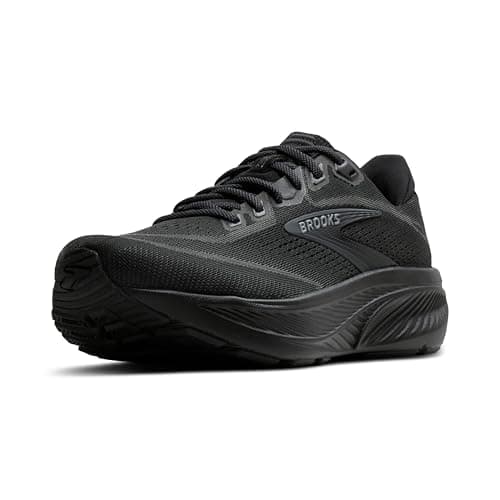
C25K to marathon: the steady default
Brooks Ghost 18
The default daily trainer: enough cushioning for a long run, light enough not to feel like a brick on a 5K. The shoe most runners should own first.
$125.20Amazon#ad · Price as of November 13, 2026 · Affiliate disclosure for the link to Brooks Ghost 18
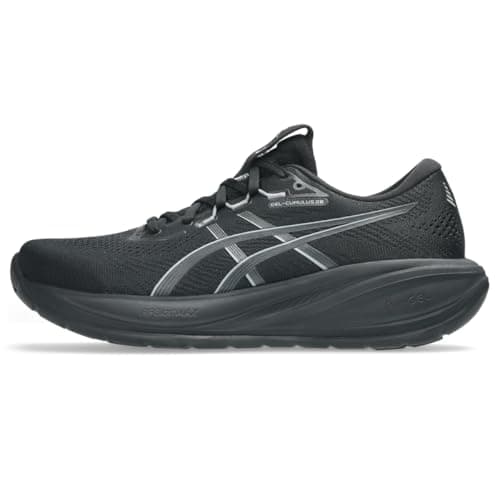
C25K to marathon: cushioned everyday miles
ASICS Gel-Cumulus 28
The same job from ASICS, usually a little cheaper, with a slightly softer landing.
$144.95Amazon#ad · Price as of November 13, 2026 · Affiliate disclosure for the link to ASICS Gel-Cumulus 28
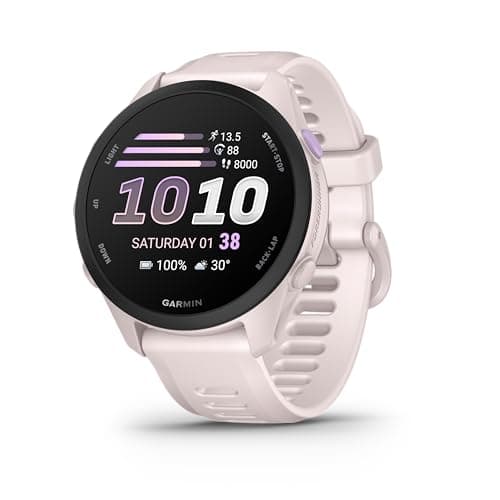
C25K to 10K: the simplest Garmin start
Garmin Forerunner 70
A basic GPS watch so distance and pace are facts rather than estimates. Garmin's running coach will also build the plan for you.
$249.99Amazon#ad · Price as of November 13, 2026 · Affiliate disclosure for the link to Garmin Forerunner 70
Not sure which distance to aim at? Our pace and mileage finder matches shoes to the week you actually run, and the Couch to 5K gear checklist covers the full starting kit in order of spend.
How we chose these
Researched, compared, scored for your level
We start from what a published training plan actually asks of a runner at your level, compare every model's published specs (stack height, drop, weight, plate, stability features, widths) against that job, and score each pick on a public rubric. Each spec links to where it came from, so you can shortlist in minutes and buy with the numbers in front of you.
Scores are our editorial judgments from that documented research, and rankings are earned on the rubric alone — placement is never for sale. The rubric and weights are on the How We Pick page.
Questions
Frequently asked
How many miles is a 5K?
How many miles is a 10K?
How many miles is a half marathon?
How many miles is a marathon?
How long does it take to run a 5K?
Keep going
Related reading
Receipts
Sources
- World Athletics — Book of Rules, standard competition distances
- NIST — Unit conversion (1 mile = 1,609.344 m exactly)
- NHS — Get running with Couch to 5K
- Hal Higdon — Novice 10K training program
- Hal Higdon — Novice 1 Half Marathon training program
- Hal Higdon — Novice 1 Marathon training program
Every figure above is traceable. Specs come from the maker's own pages or the named reviewer's published measurements (linked above); level definitions come from published training plans; prices come from Amazon's own API and carry the date they were checked, so you buy on a current number. Read the full method.