Running shoes make excellent walking shoes — they are cushioned, light and built for repetitive forward motion. Seven that work for daily walking and for the run/walk intervals every beginner plan is built on.
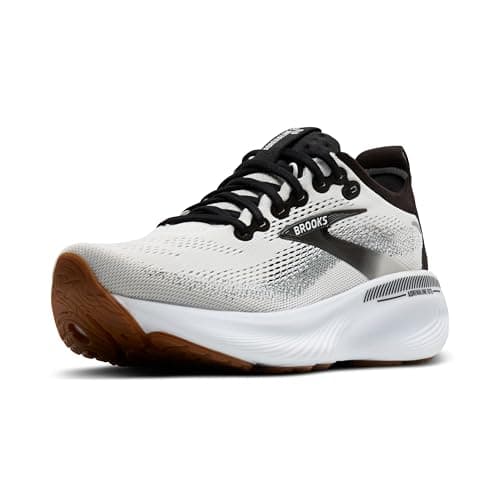
Soft, neutral, forgiving, and available Narrow through Extra Wide in both genders — which matters more when a shoe is on your feet all day than when it is on for 40 minutes.
Soft, neutral, forgiving, and available Narrow through Extra Wide in both genders — which matters more when a shoe is on your feet all day than when it is on for 40 minutes. Good to know: it is a running shoe, so the upper is lighter than a dedicated walking shoe's.
Brooks lists walking as a use for this shoe alongside running, and the GuideRails structure is welcome on long days on your feet. Good to know: 10.6 oz is heavy, which you notice more over hours than over miles.
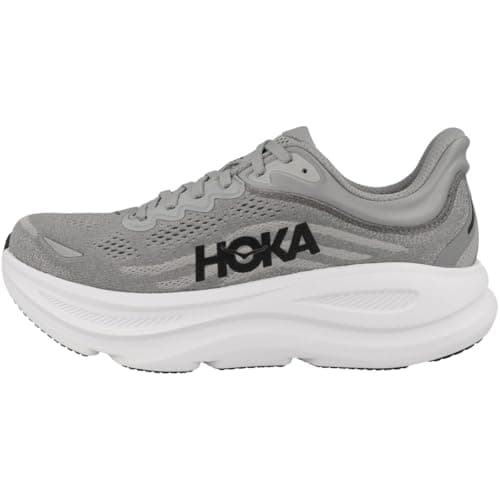
The most forgiving landing here, which is the point if you are walking on pavement for an hour or more. Good to know: a tall platform takes a few walks to feel normal.
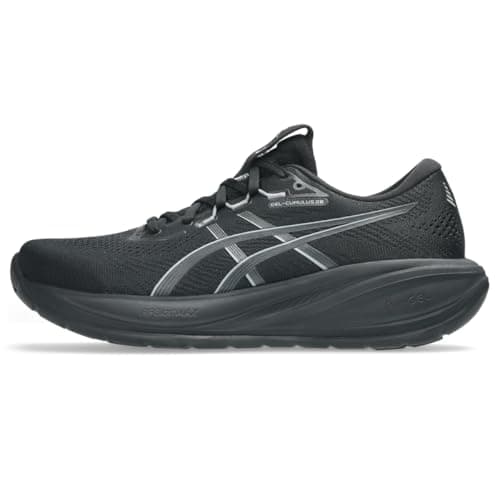
A soft, uncomplicated daily trainer that usually costs less than the Ghost and does the same job on a walk. Good to know: fewer width options than the Brooks.
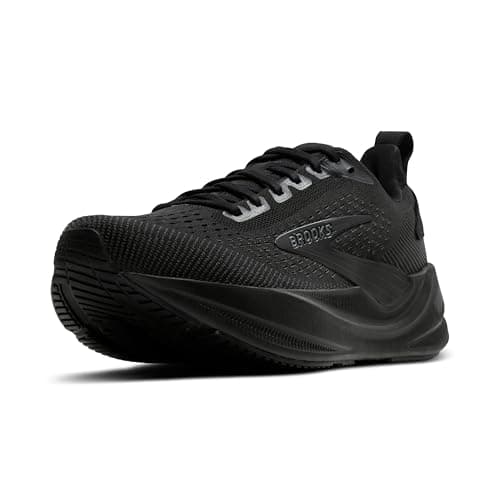
A pronounced rocker that rolls you from heel to toe, which suits a walking gait unusually well. Good to know: heavy, and the rocker feels strange at first.
A seamless knit upper with almost no overlays — the most comfortable thing here for feet that swell through the day. Good to know: the soft heel gives less hold.
The cheapest shoe on this page by a distance, and for walking the compromises matter far less than they do for running. Good to know: basic foam that will not hold up to serious running mileage.
#ad · Prices come live from Amazon, last checked November 13, 2026. Scores are ours, compiled from published specs and the maker's intended use. Product photos come from Amazon. Tap a row for the full write-up.
The short answer
Yes, running shoes are good for walking — and the Brooks Ghost 18 is the one to buy. It is soft, neutral and forgiving, and it comes in four widths in both men's and women's, which matters more for a shoe you walk in all day than for one you run in for 40 minutes.
If you want the most cushioning, the HOKA Bondi 9. If you are on your feet for hours, the Brooks Adrenaline GTS 25 — Brooks lists walking as a use for that shoe alongside running. If the budget is tight, the ASICS Gel-Contend 9 does the job for far less, because walking asks much less of a midsole than running does.
Why running shoes work for walking
Both activities are repetitive forward motion on hard ground, and a running shoe is engineered for the harder version of that problem. You get more cushioning, lighter weight and better breathability than most dedicated walking shoes, usually at a similar price.
The AAOS guidance on athletic shoes makes the practical point that fit and comfort come first in any athletic shoe. A running shoe that fits is a better walking shoe than a walking shoe that does not.
They last longer. Walking loads a midsole far less than running does, so the same shoe covers more miles before the foam gives up. The usual 300-to-500-mile replacement guidance is for running.
Heel strike is more pronounced. Almost everyone heel-strikes when walking, which is an argument for a shoe with real cushioning under the heel rather than a firm, low-stack one.
Flexibility matters more. A walking stride rolls through the forefoot more slowly, so a very stiff racing shoe feels wrong. Nothing on this page is stiff.
Width matters more. Feet swell over hours. If you are walking all day, size the width properly — see what shoe width letters mean.
What does not change: a carbon-plated racing shoe is still the wrong tool. It is stiff, narrow and expensive, and none of that helps at walking pace.
If you are doing run/walk
This is where the question matters most. The NHS Couch to 5K plan is nine weeks of run/walk intervals three times a week, so for most of it you are literally doing both in the same session. You do not need two pairs of shoes — a cushioned neutral trainer handles both, which is exactly what the shoes on this page are.
Walking is also the sensible way to add volume without adding injury risk, which is why the CDC's physical activity guidelines count brisk walking toward the same weekly target as running.
When to replace them
If you are only walking in them, go by feel and by the outsole rather than by a mileage number: when the tread is smooth under the heel, or the midsole has visible compression creases that do not spring back, the shoe is done. If you are running in them too, the usual guidance applies — our when to replace running shoes page has the detail.
In detail
The picks, in full
1
Best overall for walking
Brooks Ghost 18
C25K10KHALFMARATHON
9.3 /10
Soft, neutral, forgiving, and available Narrow through Extra Wide in both genders — which matters more when a shoe is on your feet all day than when it is on for 40 minutes. Good to know: it is a running shoe, so the upper is lighter than a dedicated walking shoe's.
#ad · Price as of November 13, 2026 · Affiliate disclosure for the link to Brooks Ghost 18
2
Best for all-day wear
Brooks Adrenaline GTS 25
C25K10KHALFMARATHON
9.4 /10
Brooks lists walking as a use for this shoe alongside running, and the GuideRails structure is welcome on long days on your feet. Good to know: 10.6 oz is heavy, which you notice more over hours than over miles.
+Brooks pitches it both as a daily driver in a training rotation and as a safe go-to for runners just starting out, and lists walking as a use
+Four widths in each gender, from Narrow to Extra Wide (4E men's, 2E women's)
+GuideRails support system, which Brooks says helps keep excess movement in check, paired with more nitrogen-infused cushioning in the heel and forefoot than before
+RunRepeat's lab measured a 36.1 mm heel and 25.9 mm forefoot: solid cushion without a towering stack
Good to know
Choose something else if you want a light, bouncy shoe for tempo days; this is a steady 10.6 oz support trainer built for everyday miles.
#ad · Price as of November 13, 2026 · Affiliate disclosure for the link to Brooks Adrenaline GTS 25
3
Most cushioned
HOKA Bondi 9
C25K10KHALFMARATHON
9.2 /10
The most forgiving landing here, which is the point if you are walking on pavement for an hour or more. Good to know: a tall platform takes a few walks to feel normal.
#ad · Price as of November 13, 2026 · Sold on Amazon through third-party sellers · Affiliate disclosure for the link to HOKA Bondi 9
4
Best value cushioning
ASICS Gel-Cumulus 28
C25K10KHALFMARATHON
9.3 /10
A soft, uncomplicated daily trainer that usually costs less than the Ghost and does the same job on a walk. Good to know: fewer width options than the Brooks.
#ad · Price as of November 13, 2026 · Affiliate disclosure for the link to ASICS Gel-Cumulus 28
5
Best rocker for walking
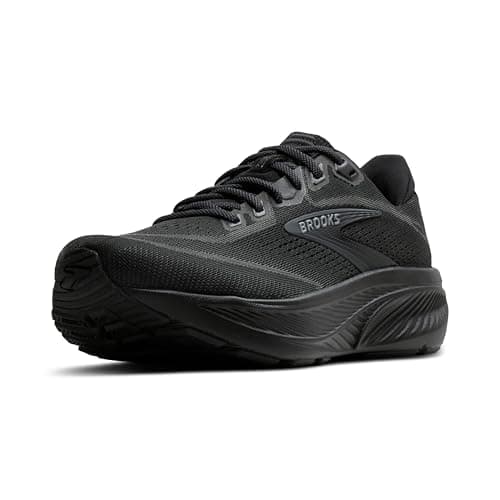
Brooks Ghost Max 4
C25K10KHALFMARATHON
9.1 /10
A pronounced rocker that rolls you from heel to toe, which suits a walking gait unusually well. Good to know: heavy, and the rocker feels strange at first.
#ad · Price as of November 13, 2026 · Affiliate disclosure for the link to Brooks Ghost Max 4
6
Softest upper
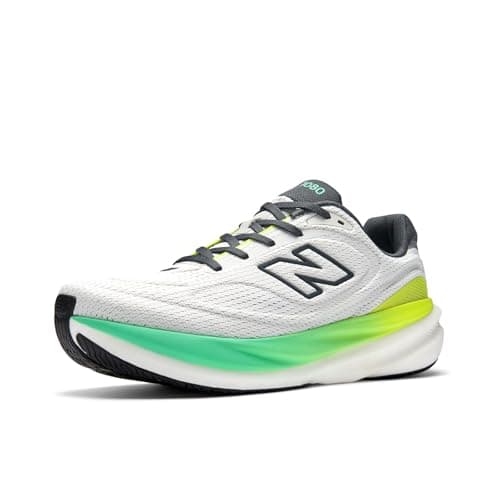
New Balance 1080 v15
C25K10KHALFMARATHON
9.4 /10
A seamless knit upper with almost no overlays — the most comfortable thing here for feet that swell through the day. Good to know: the soft heel gives less hold.
#ad · Price as of November 13, 2026 · Affiliate disclosure for the link to New Balance 1080 v15
7
Best budget pick
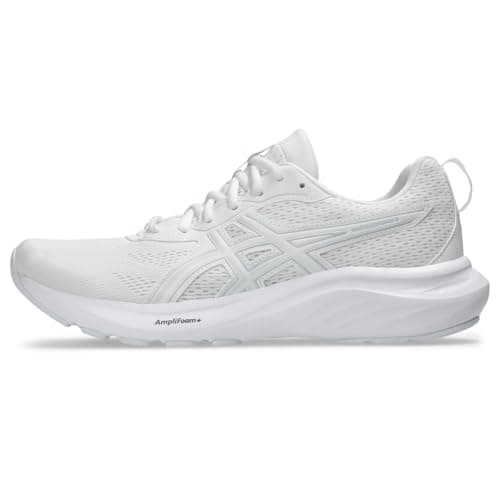
ASICS Gel-Contend 9
C25K10KHALFMARATHON
8.8 /10
The cheapest shoe on this page by a distance, and for walking the compromises matter far less than they do for running. Good to know: basic foam that will not hold up to serious running mileage.
#ad · Price as of November 13, 2026 · Affiliate disclosure for the link to ASICS Gel-Contend 9
The short answer, again
Our recommendation
If you only take one thing from this page, take the first of these two.
Buy this one
Brooks Ghost 18
Best overall for walking
9.3 /10
Soft, neutral, forgiving, and available Narrow through Extra Wide in both genders — which matters more when a shoe is on your feet all day than when it is on for 40 minutes.
#ad · Price as of November 13, 2026 · Affiliate disclosure for the link to Brooks Adrenaline GTS 25
How we chose these
Researched, compared, scored for your level
We start from what a published training plan actually asks of a runner at your level, compare every model's published specs (stack height, drop, weight, plate, stability features, widths) against that job, and score each pick on a public rubric. Each spec links to where it came from, so you can shortlist in minutes and buy with the numbers in front of you.
Yes. Both are repetitive forward motion on hard ground, and running shoes are built for the more demanding version — so you get more cushioning, less weight and better breathability than most dedicated walking shoes at a similar price.
What is the best running shoe for walking?+
The Brooks Ghost 18: soft, neutral, forgiving, and available Narrow through Extra Wide in both men's and women's. The HOKA Bondi 9 is the most cushioned option and the ASICS Gel-Contend 9 the budget one.
Do running shoes last longer if I only walk in them?+
Yes, considerably. Walking loads the midsole far less than running does, so the usual 300-to-500-mile replacement guidance does not apply. Judge by the outsole tread and whether the midsole still springs back rather than by a mileage figure.
Can I use the same shoes for the run/walk intervals in Couch to 5K?+
Yes — one cushioned neutral trainer covers the whole plan. Couch to 5K alternates running and walking for nine weeks, and there is no reason to own two pairs for it.
Should I buy stability or neutral shoes for walking?+
Neutral is the sensible default. A stability shoe like the Adrenaline is worth considering if you are on your feet for hours and like the structure — Brooks lists walking as a use for it — but there is no evidence you need support just because you walk a lot.
Every figure above is traceable. Specs come from the maker's own pages or the named reviewer's published measurements (linked above); level definitions come from published training plans; prices come from Amazon's own API and carry the date they were checked, so you buy on a current number. Read the full method.