Two things take strain off an irritated Achilles: a higher heel-to-toe drop, and a heel collar that is not pressing on the back of the tendon. Seven shoes that do both, and an honest account of what a shoe change can and cannot do.
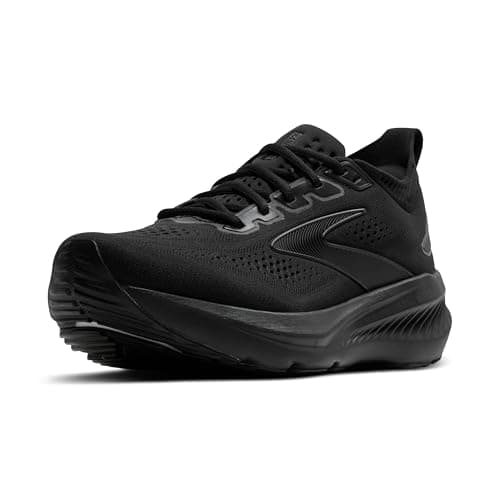
A high stack, a soft heel and a pronounced rocker that rolls you forward instead of asking the calf to do it. Good to know: the rocker feels odd for the first few runs, and it is a heavy shoe.
Best overall for a sore AchillesC25K10KHALFMARATHON
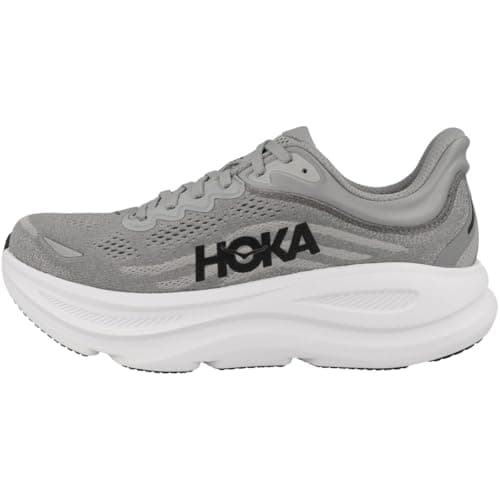
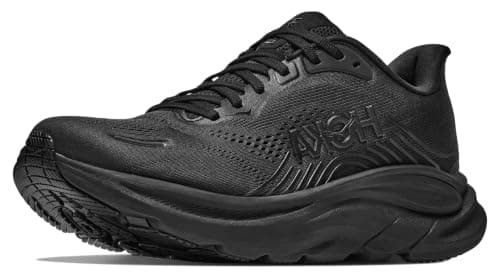
HOKA's maximum-cushion trainer, with a soft upper that keeps structure off the back of the tendon. Good to know: the standard width runs narrow through the midfoot for some runners.
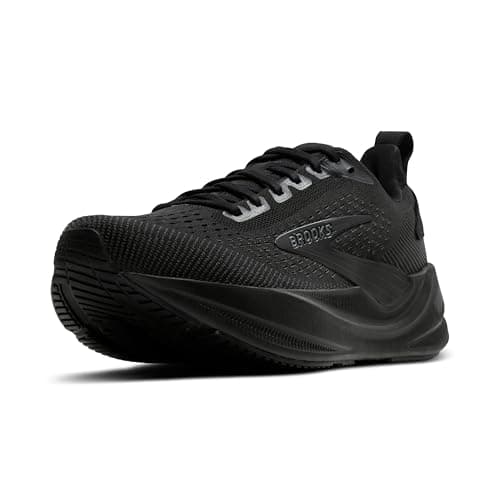
A 10 mm listed drop, a soft heel and Narrow through Extra Wide sizing in both genders. Good to know: cushioning is balanced rather than maximal, so a very irritated tendon may prefer the Ghost Max.
Best everyday pick with four widthsC25K10KHALFMARATHON
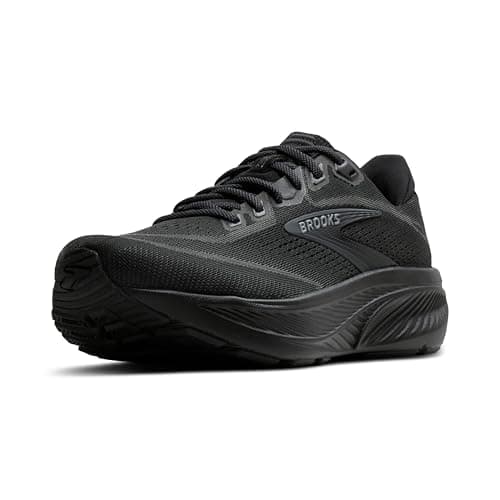
Brooks' plushest neutral trainer, for runners who want the most forgiving landing available in a conventional shoe. Good to know: soft foam is not the same as supportive, and it costs more than the Ghost.
Cushioning and a rocker at a far lower weight than the Bondi, which matters if the shoe is your everyday trainer. Good to know: RTINGS measured less heel cushioning than the max-stack options above.
#ad · Prices come live from Amazon, last checked November 13, 2026. Scores are ours, compiled from published specs and the maker's intended use. Product photos come from Amazon. Tap a row for the full write-up.
The short answer
The Brooks Ghost Max 4 is the pick for most runners managing Achilles tendonitis: a high stack, a soft heel collar and a pronounced rocker that carries you through the toe-off the calf would otherwise drive. The HOKA Bondi 9 is the most cushioned alternative and the Brooks Ghost 18 the most practical everyday one, with four widths in each gender.
What a shoe is doing here is taking strain off the tendon and keeping pressure off the back of it. It is not treating the tendon. The treatment is load management and, usually, specific exercises — the shoe just makes the running you do hurt less.
“Insertional Achilles tendinitis is often relieved by certain shoes and orthotic devices” — for example “shoes that are softer or open at the back of the heel can reduce irritation of the tendon.”
“Heel lifts are another option and can decrease the amount of strain off the tendon.”
On cause: “Achilles tendinitis is typically not related to a specific injury” — it “results from repetitive stress to the tendon,” which “often happens when we push our bodies to do too much, too quickly.”
On exercises: “Eccentric strengthening can be beneficial for noninsertional Achilles tendinitis,” but “these exercises can cause damage to the Achilles tendon if they are not done correctly” and “at first, they should be performed under the supervision of a physical therapist.”
Read that last pair together and the hierarchy is obvious: the exercises and the training load are the treatment, supervised. The shoe is support for it.
Heel drop, honestly
A higher heel-to-toe drop puts the ankle in a slightly more plantarflexed position, which shortens the calf and Achilles complex and reduces the stretch on it. That is the mechanical argument for a 10 mm shoe over a 4 mm one, and it is why “go higher drop” is the standard advice.
The honest caveat: when Malisoux and colleagues randomised 553 runners across three drop heights for six months, overall injury rates did not differ between groups. Drop is not a magic number, and a shoe is not a treatment. What drop does reliably change is how a given shoe feels on a tendon that is already irritated — and comfort is a perfectly good reason to choose one.
The practical version: if you are in a low-drop shoe and your Achilles is sore, trying a higher-drop shoe is cheap and sensible. If you are already in a 10 mm shoe, drop is not your lever. Heel drop and stack height explained covers the numbers, including how far brand drop figures sit from measured ones.
The heel collar problem
For insertional pain — right where the tendon meets the heel bone — the thing that actually hurts on a run is often the shoe itself: a stiff heel counter or a firm, padded collar pressing on an inflamed insertion. AAOS is explicit that softer or open-backed shoes reduce that irritation.
So the test in the store is simple. Put the shoe on, and press the back of the collar with a thumb. If it feels like a rigid cup, it will find the sore spot at mile three. Every pick on this page has a soft or knitted heel collar for that reason.
What we ranked on
Heel collar softness and how much structure sits against the tendon.
Published heel-to-toe drop, favouring 8 mm and above.
Heel cushioning and rocker, because a rocker reduces how hard the calf has to work at toe-off.
Widths offered, since a shoe that squeezes anywhere gets worn less.
A high stack, a soft heel and a pronounced rocker that rolls you forward instead of asking the calf to do it. Good to know: the rocker feels odd for the first few runs, and it is a heavy shoe.
#ad · Price as of November 13, 2026 · Affiliate disclosure for the link to Brooks Ghost Max 4
2
Most cushioning under the heel
HOKA Bondi 9
C25K10KHALFMARATHON
9.2 /10
HOKA's maximum-cushion trainer, with a soft upper that keeps structure off the back of the tendon. Good to know: the standard width runs narrow through the midfoot for some runners.
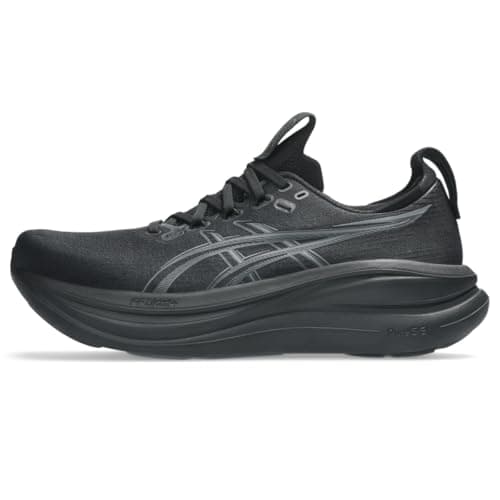
#ad · Price as of November 13, 2026 · Affiliate disclosure for the link to ASICS Gel-Nimbus 28
4
Best everyday pick with four widths
Brooks Ghost 18
C25K10KHALFMARATHON
9.3 /10
A 10 mm listed drop, a soft heel and Narrow through Extra Wide sizing in both genders. Good to know: cushioning is balanced rather than maximal, so a very irritated tendon may prefer the Ghost Max.
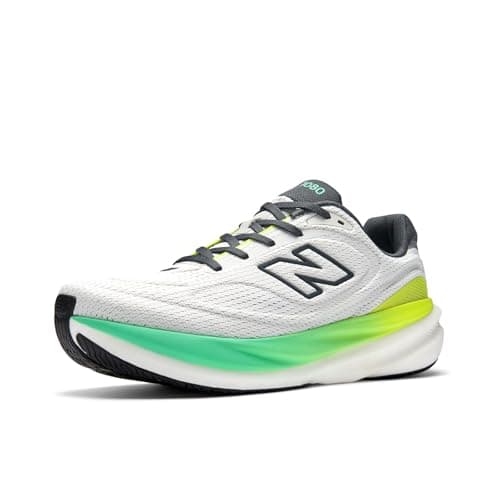
#ad · Price as of November 13, 2026 · Affiliate disclosure for the link to New Balance 1080 v15
6
Softest underfoot
Brooks Glycerin 23
C25K10KHALFMARATHON
9.1 /10
Brooks' plushest neutral trainer, for runners who want the most forgiving landing available in a conventional shoe. Good to know: soft foam is not the same as supportive, and it costs more than the Ghost.
#ad · Price as of November 13, 2026 · Affiliate disclosure for the link to Brooks Glycerin 23
7
Lightest here
HOKA Clifton 11
C25K10KHALFMARATHON
9.3 /10
Cushioning and a rocker at a far lower weight than the Bondi, which matters if the shoe is your everyday trainer. Good to know: RTINGS measured less heel cushioning than the max-stack options above.
#ad · Price as of November 13, 2026 · Sold on Amazon through third-party sellers · Affiliate disclosure for the link to HOKA Bondi 9
How we chose these
Researched, compared, scored for your level
We start from what a published training plan actually asks of a runner at your level, compare every model's published specs (stack height, drop, weight, plate, stability features, widths) against that job, and score each pick on a public rubric. Each spec links to where it came from, so you can shortlist in minutes and buy with the numbers in front of you.
What running shoes are best for Achilles tendonitis?+
The Brooks Ghost Max 4 for most runners: a high stack, a soft heel collar and a rocker that reduces how hard the calf works at toe-off. The HOKA Bondi 9 is the most cushioned option, and the Brooks Ghost 18 the best everyday choice with four widths in each gender.
Does a higher heel drop help Achilles tendonitis?+
Mechanically it shortens the calf and Achilles complex, which reduces the stretch on the tendon — that is why higher drop is the standard suggestion. The caveat is that a randomised trial of 553 runners across three drop heights found no overall difference in injury rates, so treat it as a comfort lever rather than a cure.
Should the back of the shoe be soft?+
For pain right at the insertion, yes. AAOS states that “shoes that are softer or open at the back of the heel can reduce irritation of the tendon.” Press the heel collar with a thumb in the store: if it feels like a rigid cup, it will press on the sore spot once you are running.
Can I keep running with Achilles tendonitis?+
That is a question for a clinician, not a shoe page. AAOS describes the problem as repetitive stress that “often happens when we push our bodies to do too much, too quickly,” which makes training load the first thing to look at. Get it assessed before you decide.
Do heel lifts work for Achilles pain?+
AAOS lists them as an option, saying heel lifts “can decrease the amount of strain off the tendon.” They are cheap and worth raising with whoever is treating you — but they are a clinical suggestion rather than something to self-prescribe alongside a new pair of shoes.
Every figure above is traceable. Specs come from the maker's own pages or the named reviewer's published measurements (linked above); level definitions come from published training plans; prices come from Amazon's own API and carry the date they were checked, so you buy on a current number. Read the full method.